
Events Ascame/ February 27, 2026/ Ascame members, Featured
ASCAME’s member, the Croatian Chamber of Economy (CCE), has emerged as a leading institution in advancing women’s empowerment across the Mediterranean, championing initiatives that strengthen women’s leadership, visibility, and economic participation. Through sustained efforts to expand mentorship opportunities, deliver leadership oriented training, and address the structural barriers that continue to limit women’s advancement, the CCE has become a reference point for Chambers across the Mediterranean seeking to accelerate gender equality in business. These initiatives reflect a long term strategy aimed at strengthening women’s entrepreneurial capacities, widening access to decision making spaces, and promoting a more inclusive economic ecosystem.
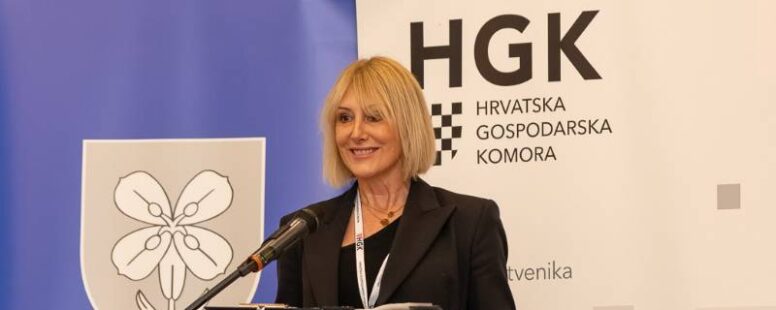
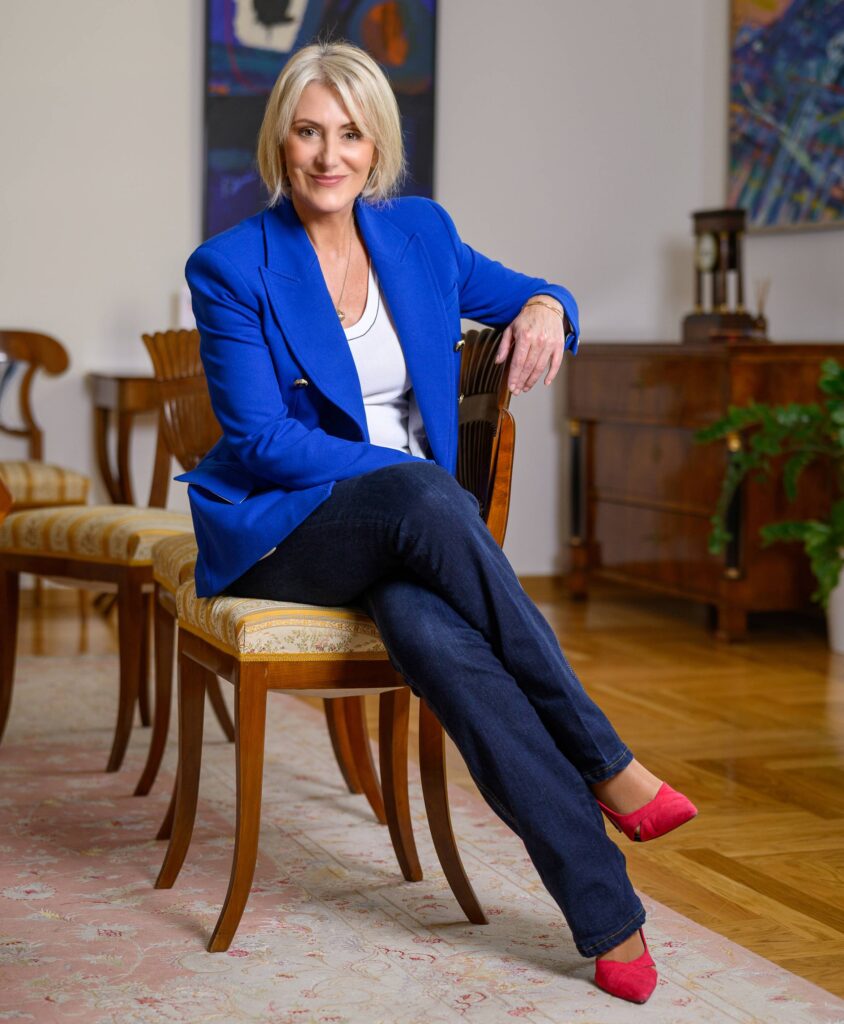
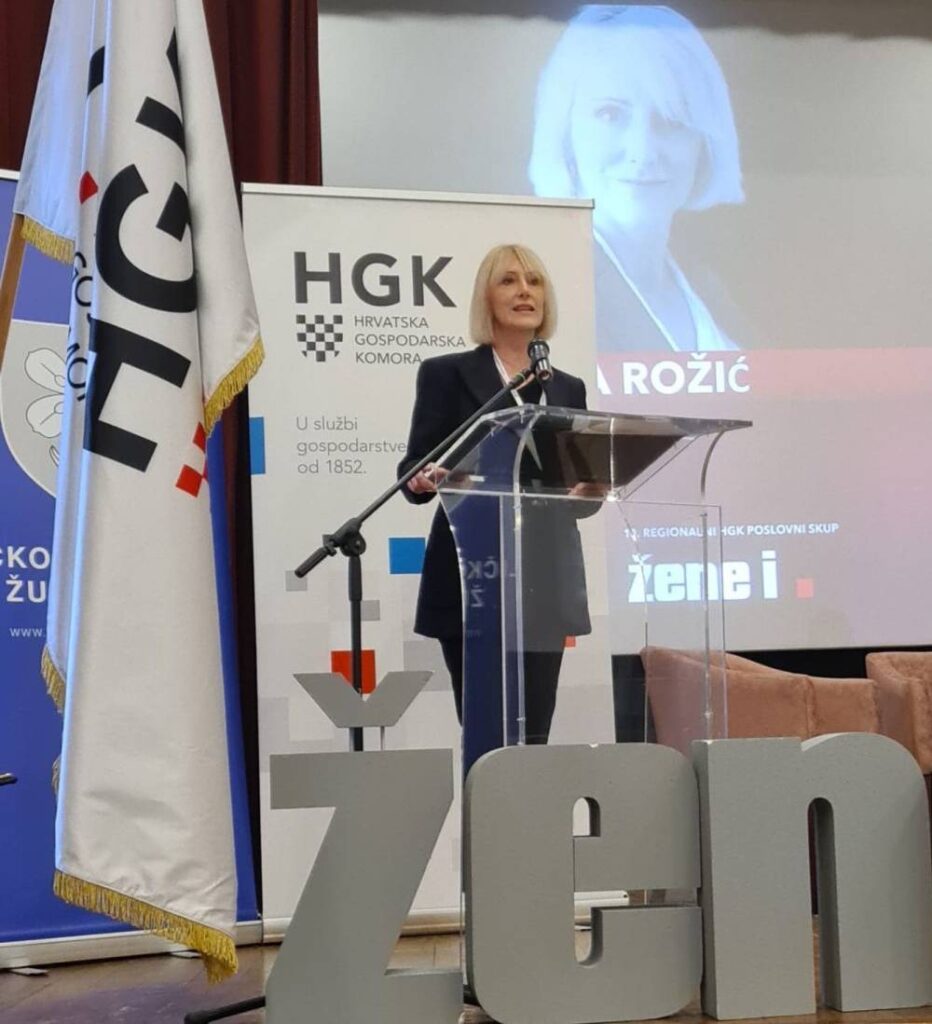
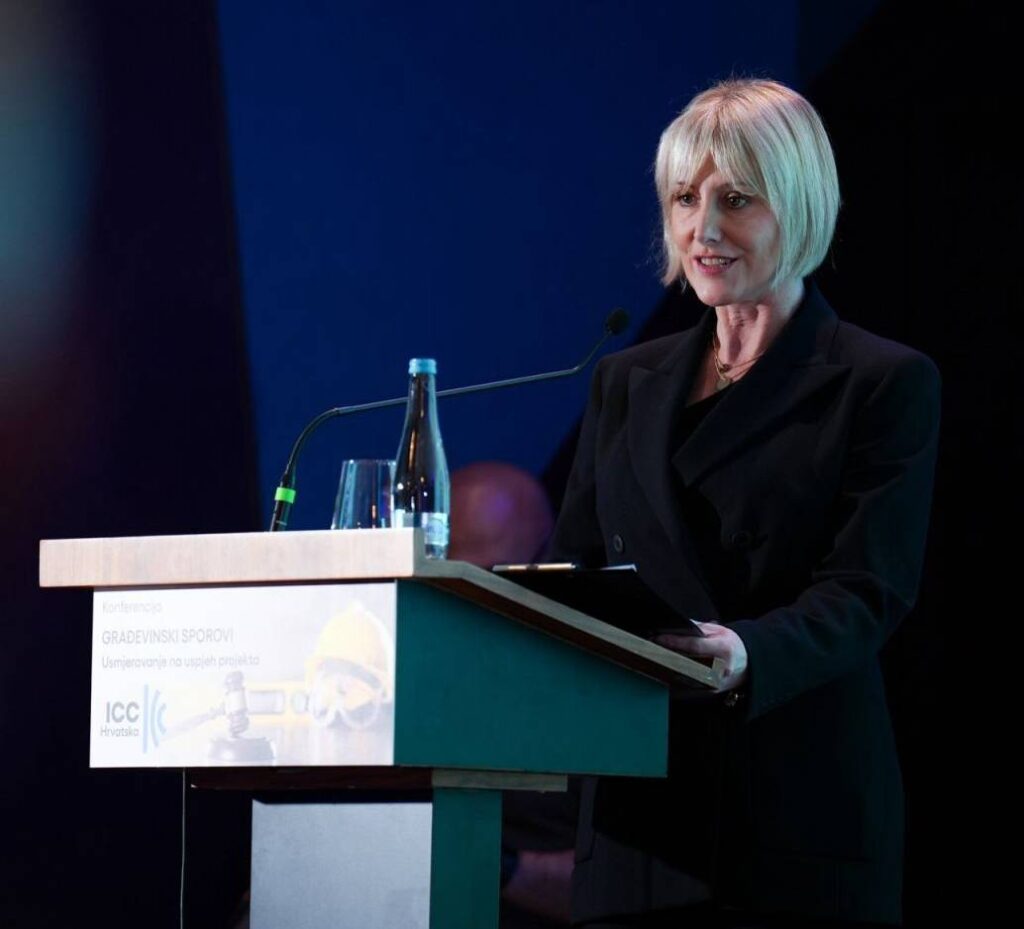
In this interview, Ms. Marina Rožić, General Secretary of the CCE, reflects on the state of women’s leadership in both public and private Mediterranean institutions. She underscores that “increasing women’s representation in decision making roles is not only a matter of equality but a strategic imperative for Europe’s development”, highlighting the economic and social value of gender balanced leadership. Ms. Rožić also discusses several initiatives launched by the Chamber, from capacity building programmes for women entrepreneurs to efforts that foster gender balanced leadership pipelines, demonstrating a clear and coherent vision: empowering women is essential to strengthening the Mediterranean’s competitiveness, innovation, and long term economic resilience.
In your opinion, what have been the most significant advances in women’s empowerment across the Mediterranean, and which challenges remain the most urgent to address?
The Mediterranean region has witnessed remarkable progress in women’s empowerment over the past decade, particularly in areas of education and legislative frameworks. We’ve seen significant improvements in women’s access to higher education across both Northern and Southern Mediterranean countries. Legislative advances have also been substantial, from improved maternity protection laws to increased quotas for women in boardrooms and political positions. However, the gap between policy and practice remains our most pressing challenge. Despite higher education levels, women’s participation in the workforce and leadership positions still lags significantly behind their qualifications. Even when women do break through to higher positions, they face persistent inequalities, with women in senior roles often earning considerably less than their male counterparts for equivalent work and responsibilities so called “glass ceiling” effect. Moving forward, we must focus on translating legislative frameworks into tangible economic opportunities, ensuring equal pay for equal work at all levels.
You have often highlighted the importance of increasing women’s presence in decision‑making roles. From your perspective, what are the most effective strategies to accelerate women’s access to leadership positions in the Mediterranean business ecosystem?
Accelerating women’s access to leadership requires a multi-faceted approach that addresses both structural barriers and cultural mindsets. At the Croatian Chamber of Economy, we’ve identified several key strategies that prove particularly effective. Targeted leadership development programs are essential. Our Academy: The Future of Management represents one of our commitment to preparing the next generation of business leaders, with a strong focus on ensuring women have equal access to these transformative educational opportunities. Equally important are mentorship and sponsorship programs that connect women leaders with established executives, both male and female, creating crucial networks and visibility. Also, flexible work arrangements and family – friendly policies are not just “women’s issues” – they’re business enablers that allow talented women to remain in the workforce and advance to leadership positions without having to choose between career and family.
What do you mean when you say, “Increasing women’s representation in decision-making roles is not only a matter of equality but a strategic imperative for Europe’s development”?
This statement reflects a fundamental economic reality: Europe cannot afford to underutilize half of its talent pool. When I speak of this as a strategic imperative, I’m addressing three critical dimensions. From a competitive perspective, companies and economies that fully leverage women’s talents and perspectives consistently outperform those that don’t. In an increasingly complex global economy, diverse leadership teams bring varied viewpoints, experiences, and problem-solving approaches that lead to better decision-making and innovation. We’re not just talking about fairness, we’re talking about competitive advantage. Demographic challenges make this equally urgent. With aging populations across Europe and labor shortages in key sectors, we simply cannot afford to have highly educated women sitting on the sidelines or working below their potential. Women’s economic participation is crucial for sustaining Europe’s economic growth and maintaining our social welfare systems.
We must focus on translating legislative frameworks into tangible economic opportunities, ensuring equal pay for equal work at all levels
You strongly support mentorship programs to reduce the obstacles that prevent women advancing. What types of mentorship or training programs do you consider most impactful for empowering women entrepreneurs and executives?
The most impactful programs blend structured skill building with personalized mentorship and strong network access. Leadership academies, such as our Academy: The Future of Management, equip women with strategic, financial, and managerial capabilities while creating peer cohorts that continue supporting one another long after the program ends. Our international network through CCE and ICC Croatia adds practical value by helping women-led businesses enter global markets, navigate export procedures, and build international partnerships. Cross mentorship programs that pair women with experienced leaders from diverse sectors broaden perspectives and open new networks. Complementing this with hands on training –access to finance, pitching, negotiation, and digital skills – creates a comprehensive foundation for women’s entrepreneurial and leadership growth.
Despite progress, women in business still encounter structural barriers. In your view, what are the most persistent obstacles in the Mediterranean region, and how can Chambers of Commerce help remove them?
Women in the Mediterranean still face persistent barriers, especially the difficulty of balancing work and family due to limited childcare options and inflexible work arrangements. Many are also excluded from the informal networks where business opportunities circulate, making it harder to enter male dominated sectors. Access to finance remains uneven, which is why we at CCE help women navigate funding opportunities, including EU programs. Digital tools such as our Digital Chamber platform make support services more accessible for women with time constraints. Through leadership, sustainability, and ESG training, we ensure women gain the skills needed for modern business while also engaging male members on the economic value of gender equality. Chambers can further drive change by advocating for policies that improve childcare, parental leave, and flexible work, enabling women to participate fully in the economy.
From your experience working across the region, what differences do you observe between Northern and Southern Mediterranean countries regarding women’s empowerment? What can they learn from each other?
The Mediterranean region presents a fascinating contrast in approaches to women’s empowerment, with both Northern and Southern countries having valuable lessons to share. Northern Mediterranean countries, including EU members like Croatia, generally have stronger legal and institutional frameworks for gender equality – quotas, anti discrimination laws, work life balance policies, and well developed business support systems –. Southern Mediterranean countries, meanwhile, often benefit from stronger family and community networks that can provide childcare, informal financing, and support for women starting businesses. Many also have a young, highly educated generation of women entering the workforce with strong digital skills. Northern countries can learn from the South’s community based entrepreneurship and the value of informal networks in helping women launch and grow businesses. Southern countries can benefit from the North’s structured approach: clear legislation, institutional support, formal mentorship, and transparent access to finance mechanisms. The most effective path is a Mediterranean model that blends the North’s institutional strengths with the South’s community driven support, creating culturally grounded but high impact progress for women’s empowerment.
What role should Mediterranean Chambers of Commerce play in promoting women’s entrepreneurship and leadership? Are there specific initiatives you believe should be scaled up region‑wide?
Chambers of Commerce are uniquely positioned to advance women’s entrepreneurship because they operate at the crossroads of business, government, and civil society, giving them the influence and networks needed to drive systemic change. Their first role is to act as conveners, creating cross Mediterranean networks where women entrepreneurs can connect, exchange knowledge, and build partnerships. Structures like CCE’s county chambers and international offices show how local reach and global access can work together. They should also serve as educators by offering targeted training for women leaders, such as programs on digital transformation, sustainability, and international trade that can be adapted and scaled across the region. Finally, Chambers need to lead on data and accountability by systematically tracking women’s participation in entrepreneurship and leadership to guide policy and measure progress.
The most effective path is a Mediterranean model that blends the North’s institutional strengths with the South’s community driven support, creating culturally grounded but high impact progress for women’s empowerment
Could you share some initiatives or programs led by the Croatian Chamber of Economy that has successfully promoted women’s empowerment or leadership in business and could serve as a model for other Mediterranean Chambers?
The Croatian Chamber of Economy has developed several initiatives that can serve as models for strengthening women’s leadership across the Mediterranean. Our Academy: The Future of Management offers comprehensive leadership training and ensures strong participation of women through targeted outreach and flexible formats that support work–life balance. Through our seven international representative offices in Brussels, Shanghai, Belgrade, Vienna, Sarajevo, Mostar, and Moscow, and the ICC global network, we help women led companies access foreign markets, trade facilitation tools, and international business connections. Our Digital Chamber platform expands access to support services by offering 24/7 e services, especially valuable for women balancing entrepreneurship with care responsibilities. A nationwide network of county chambers ensures that women entrepreneurs in all regions, not only Zagreb, receive consistent support and access to national and international opportunities. We are also proud to host MedaWomen 2027 in Rijeka, a flagship Mediterranean forum for women entrepreneurs that will further elevate regional cooperation and business connections across more than 170 countries.
How can Chambers foster women entrepreneurship in the Mediterranean?
Chambers can strengthen women’s entrepreneurship by building the right support infrastructure, such as women’s business centers, dedicated financing mechanisms with banks, and certification programs that help women owned firms access procurement and new markets. Women entrepreneurs are essential to the Mediterranean’s future because they bring different perspectives to innovation, often identifying unmet needs in areas like social impact, sustainability, and service design. Their businesses also drive social change by challenging traditional gender norms and serving as visible role models for younger generations. Women entrepreneurs are not only contributors to the region’s economic future. They are key to shaping it.
As Chair of the Eurochambres Women Network (EWN), what priorities have you focused on to strengthen women’s leadership and participation in the European business landscape?
My priority is turning gender equality into a measurable business priority across Europe. A core pillar of our work is data driven advocacy: through Europe wide surveys, we have gathered concrete evidence on the barriers women face, such as the fact that most rely on personal savings to start a business and that work–life balance remains their biggest challenge. This allows us to push for targeted, evidence based policies. We’ve also worked to increase the visibility and influence of women entrepreneurs, ensuring their voices are included in major Eurochambres events and high level policy discussions rather than isolated in separate forums. Strengthening partnerships has been another priority, including collaboration with UN Women to align business advocacy with global gender equality goals.
What best practices identified through EWN’s work would you recommend to Mediterranean Chambers seeking to reduce gender gaps and support women entrepreneurs?
Mediterranean Chambers can draw on several best practices identified through EWN’s work, starting with integrating support for women entrepreneurs into all chamber services rather than isolating it in separate programs, which helps make gender equality part of the institution’s core mission. Strong multi stakeholder partnerships with banks, public agencies, universities, and women’s organizations create more complete support ecosystems, while dedicated financial tools – such as tailored loan products or guarantee schemes – help counter persistent lending biases. Structured mentorship programs that match mentors carefully, include both men and women, and track outcomes consistently deliver far greater impact than informal approaches, and digital first services make it easier for women with care responsibilities to access training and networking. Targeted initiatives in underrepresented sectors like technology or manufacturing help break occupational segregation, and cross border networks expand markets and support systems beyond national boundaries. For Mediterranean Chambers, the key is adapting these principles to local cultural contexts while maintaining a commitment to data, partnerships, accountability, and comprehensive support.
Chambers can strengthen women’s entrepreneurship by building the right support infrastructure, such as women’s business centers, dedicated financing mechanisms with banks, and certification programs that help women owned firms access procurement and new markets. They bring different perspectives to innovation, often identifying unmet needs in areas like social impact, sustainability, and service design
Are you optimistic about the future of women in the Mediterranean?
Yes, I am genuinely optimistic, but my optimism is grounded in evidence and conditional on continued commitment to action. Women now make up many university graduates across the region, creating a powerful pipeline of talent that will inevitably reshape the economy. Digital transformation is opening new, flexible, lower barrier paths to entrepreneurship. In addition, regional cooperation among organizations like ASCAME, Eurochambres, and national Chambers is strengthening. My optimism is active rather than passive, rooted in the progress we see through leadership development, internationalization support, digital and sustainability training, and the daily work our county chambers and international offices do to support women entrepreneurs. The question is not whether women will play a larger role in the Mediterranean’s economic future – they will. The question is how quickly we can accelerate that transformation and ensure it benefits all women, not just a privileged few. That’s the work we’re committed to at HGK, and that’s why I remain optimistic while staying focused on the work ahead.