
Events Ascame/ July 8, 2026/ Ascame members, Featured
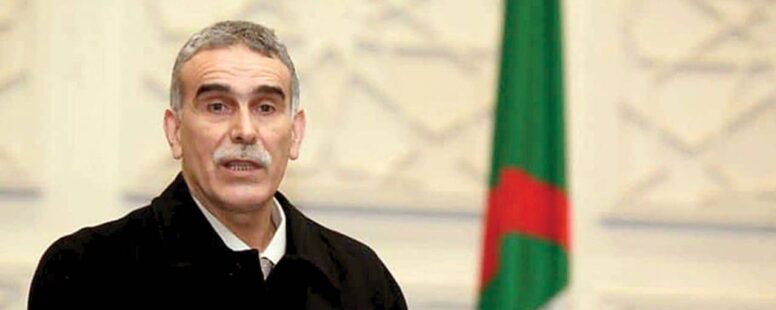
We interviewed Mr. Tayeb Chabab, President of the Algerian Chamber of Commerce and Industry (CACI), who offered a comprehensive perspective on Algeria’s evolving economic landscape and its growing role in the Mediterranean region. He reflected on the country’s ongoing economic diversification, the challenges and opportunities for Algerian companies seeking access to European and Mediterranean markets, and the strategic importance of Algeria as an emerging connector between Europe and Africa.
He also highlighted CACI’s contribution to national economic reforms, its support for private sector development, and its efforts to strengthen regional cooperation through ASCAME. Key themes include Algeria’s energy potential, major infrastructure and industrial projects, the need to modernise trade and export procedures, and the importance of building trust-based partnerships with foreign investors. Finally, Chabab outlined the Chamber’s vision for future collaboration with ASCAME and the strategic projects that could be developed jointly in the coming months.
Algeria is one of the fastest-growing economies in North Africa and the Mediterranean, pursuing a new development model to diversify beyond hydrocarbons. What are the main elements of this transformation?
Algeria’s economic transformation is driven by President Abdelmadjid Tebboune’s reform plan, which seeks to reduce the country’s dependence on hydrocarbons and promote new drivers of growth. The country is now prioritising renewable energy, agriculture, mining, modern industry, technology transfer, tourism and fisheries. These efforts are supported by improved security, major progress in social development, upgraded infrastructure and a modernised legal framework for investment. Algeria is encouraging investment in productive sectors to reduce imports and expand domestic value creation. It offers significant incentives for joint ventures, including tax advantages and preferential access to public procurement. In return, it expects greater use of local inputs, higher national integration, reinvestment of fiscal benefits and positive foreign currency balances through import substitution and future exports.
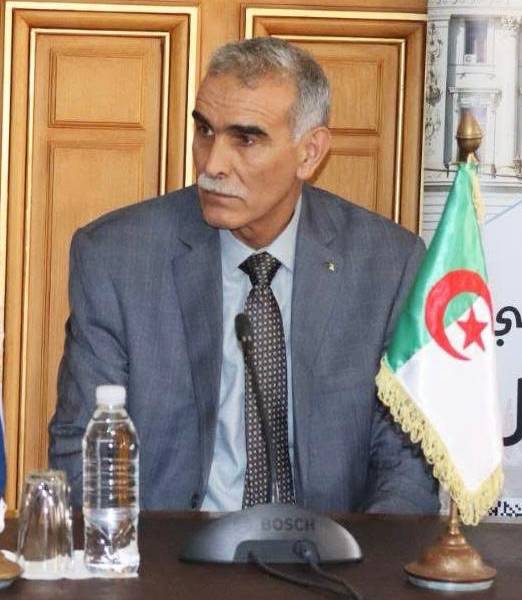
What is your Chamber’s contribution to Algeria’s evolving economic landscape, and how does it support private sector development as the country diversifies its economy?
CACI plays a central role in supporting the country’s economic transformation by strengthening high-value activities such as modern management, training for new professions, international commercial networks and overall business competitiveness. Working closely with the private sector, CACI supports the creation of micro enterprises and start ups, and contributes to the implementation of the national export strategy, helping Algerian companies connect to global value chains. This approach enhances international visibility and allows new businesses to benefit from the expertise of other Chambers of Commerce, improving their resilience, access to markets and capacity to grow. CACI also assists the government in identifying priority sectors with strong positive spillovers, such as industry, agriculture, ICT, tourism and new services, while helping companies expand into new markets, build strategic partnerships and improve competitiveness. At the national level, CACI coordinates with ministries, advisory bodies, research centres, academia, social partners and private sector organisations to ensure a broad and effective partnership framework.
Algeria is encouraging investment in productive sectors to reduce imports and expand domestic value creation. It offers significant incentives for joint ventures, including tax advantages and preferential access to public procurement. In return, it expects greater use of local inputs, higher national integration, reinvestment of fiscal benefits and positive foreign currency balances through import substitution and future exports
The first Spain–Algeria Business Forum, held in May and co-organised by ASCAME, the Barcelona Chamber of Commerce and the Algerian Spanish Business Forum, brought together more than 80 Spanish and Catalan companies and highlighted the strong potential for collaboration between our two countries. From your perspective, how are economic relations between Spain and Algeria evolving today?
Algeria is a natural, close and strategic market for Spanish companies. The steady increase in trade flows and investment activity clearly shows that Algerian-Spanish economic relations are progressing positively. The current dynamic reflects excellent cooperation and growth between both business communities.
How is your Chamber working to maximise the opportunities linked to Algeria’s growing role in the Mediterranean and African energy landscape?
Algeria’s growing energy role in the Mediterranean and Africa is creating major opportunities, and the Chamber works to maximise them by supporting strategic partnerships north and south. A key example is the Trans Saharan Gas Pipeline linking Nigeria to Europe via Algeria, a project that strengthens regional integration and energy security. Algeria aims to become a central connector between African and Mediterranean energy systems by investing in modern infrastructure, cleaner energy and expanded production and transport capacity. Regional cooperation is a core pillar of this strategy. Today, Algeria is positioning itself not just as an energy supplier, but as a strategic bridge between Europe’s mature economy and Africa’s rapidly expanding markets. The goal is to turn this geography into an economic advantage by developing high value industrial, logistical and energy flows between both regions.
What are the main challenges Algerian companies face when accessing European and Mediterranean markets?
Although the EU–Algeria Partnership Agreement includes several protocols on agriculture and food products, Algerian exporters still face significant non-tariff barriers when entering European markets. These challenges include strict technical specifications, packaging and sizing requirements, animal health standards, and complex customs procedures. In some cases, companies also encounter bureaucratic delays and uneven application of standards at EU entry points, which increase costs and affect the quality of fresh agricultural products. To address this, efforts continue to streamline technical and sanitary controls, ensure transparent and non discriminatory procedures, and improve the clarity and efficiency of inspection and conformity processes for Algerian exports. After more than two decades of implementation, many stakeholders believe the agreement should be revised to better reflect Algeria’s current diversification goals.
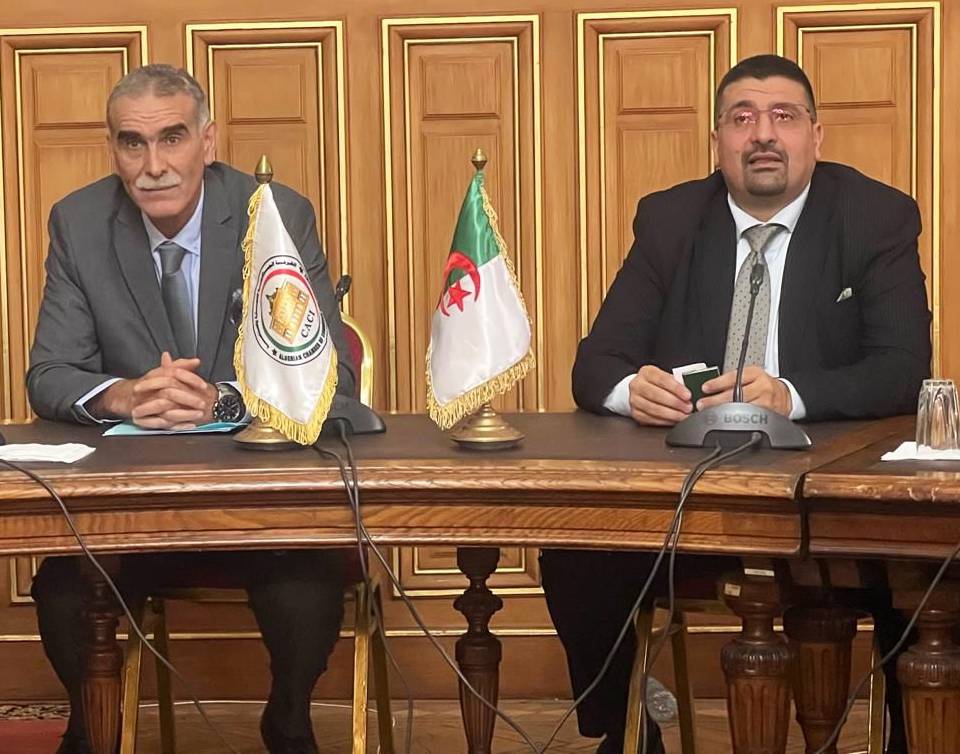
The limited impact on productive European investment and the modest benefits for Algerian exporters have sparked a broader economic debate on how to improve and rebalance the cooperation framework for mutual benefit.
In your view, what key elements should companies consider to successfully enter the Algerian market?
Algeria is one of North Africa’s most promising economies, supported by significant energy resources and major modernisation and industrialisation projects. For foreign companies, success begins with understanding the current economic context, building trust based partnerships and adapting strategies to a rapidly evolving market. Key advantages include Algeria’s strategic location between Europe and Africa, abundant natural and human resources, an increasingly open and competitive economy, preferential trade agreements, equal treatment for foreign and domestic investors, simplified administrative procedures, and continuously improving infrastructure. In short, Algeria offers strong potential for companies willing to engage with its market, invest in local partnerships and align with its economic transformation.
Today, Algeria is positioning itself not just as an energy supplier, but as a strategic bridge between Europe’s mature economy and Africa’s rapidly expanding markets. The goal is to turn this geography into an economic advantage by developing high value industrial, logistical and energy flows between both regions
ASCAME members greatly appreciated your participation in the Executive Committee held in Marseille last April. Looking ahead, what role do you envision for your Chamber within ASCAME in the coming months?
I would like to thank Dr. Josep Santacreu, President of ASCAME, for his invitation and for confirming my position as Vice President within the Executive Committee. I am convinced that ASCAME’s network of Chambers plays a vital role as a bridge between institutions and businesses, especially SMEs. In this spirit, I fully support initiatives that strengthen regional cooperation, economic development and Mediterranean integration. Our Chamber will continue contributing to joint actions that promote investment, partnerships and the region’s competitiveness, while reinforcing Algeria’s position as an emerging economic hub.
What joint projects could CACI and ASCAME develop in the short and medium term?
My objective is to put forward strategic projects and proposals shaped through inclusive and participatory discussions with ASCAME’s economic actors. Our cooperation will focus on initiatives that reflect shared priorities and create tangible value for the Mediterranean business community.