
Events Ascame/ February 26, 2025/ Ascame members, Featured
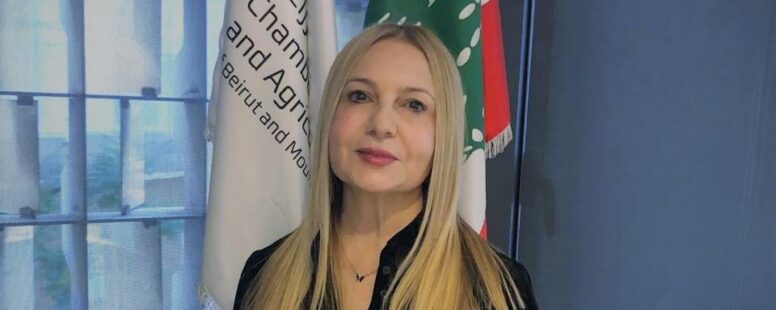
In recent years, the Chamber of Commerce, Industry, and Agriculture of Beirut & Mount Lebanon has become an example for other Mediterranean chambers regarding women inclusion initiatives in the business sector. This institution has implemented different fair and inclusive policies both internally -by adopting inclusive hiring, equal pay, and leadership policies- and externally -by offering training, funding access, and awareness programs-. A good example is the Women Digital Job Center, which is a game-changer for underprivileged women, fresh graduates, and those re-entering the job market, offering digital skills training, interview coaching, and job access strategies. This institution has supported around 400 women, helping them step into better career opportunities, apart from mentoring executive women in large Lebanese enterprises. In the following interview, Ms. Hana Nehme Haidar, Director of Human Resources and Projects at the Beirut Chamber tells us about the social and economic impact of these inclusive initiatives and reflects on the key role of the Mediterranean Chambers of Commerce in reducing discrimination and addressing gender inequality.
What are the main needs and challenges facing by women in Lebanon? What are the similarities and differences with the situation experienced by other women in the Mediterranean?
I’d like to highlight that women in Lebanon make up about 31,5% of the total labor force, according to the World Bank. Yet while we’re making strides, we’re still underrepresented in high-impact fields like tech, engineering, finance, and politics. Instead, we often find ourselves in lower-paying sectors like education, healthcare, and social services. It’s a struggle not just in Lebanon, but across the Mediterranean, with glass ceilings, unequal pay, and the lack of female representation in STEM and executive roles. Now, countries like Italy and France have some pretty solid labor protections and gender policies that create more opportunities for women to thrive in their careers. Unfortunately, Lebanon still has a long way to go. However, these challenges are being recognized, and more conversations are happening to push for change.
In your opinion, what are the main differences between the North and the South Mediterranean regarding women inclusion in businesses?
I believe that in the North Mediterranean, countries like Italy, Spain, and Greece have stronger legal frameworks supporting women, with equal pay laws, parental leave, and better access to leadership roles in fields like STEM and finance. Meanwhile, the South Mediterranean faces more structural barriers, with women often concentrated in informal sectors, small businesses, and lower-paying jobs, with fewer opportunities for career advancement. These regions rely more on voluntary initiatives or external incentives. However, international programs are beginning to bridge the gap through training, grants and mentorship for female in business. It’s all about applying gender lens to workplace policies in the Mediterranean business sector, ensuring that women’s contributions and potential are recognized and supported at every level.
The North Mediterranean countries have stronger legal frameworks supporting women, with equal pay laws, parental leave, and better access to leadership roles in fields like STEM and finance. Meanwhile, the South Mediterranean faces more structural barriers, with women often concentrated in informal sectors, small businesses, and lower-paying jobs, with fewer opportunities for career advancement
In what sense a more cooperation among all the Mediterranean countries could contribute to a more inclusive region and also a major empowerment of women?
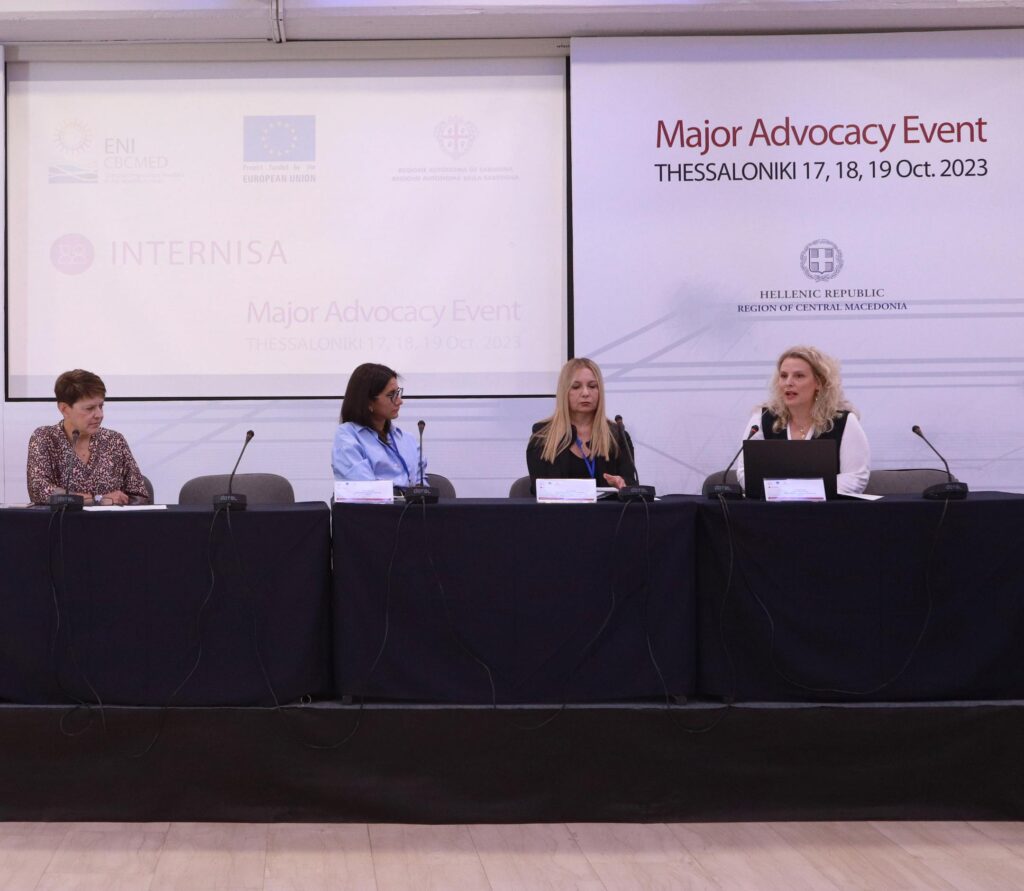
It is evident that stronger cooperation among Mediterranean countries can spark real change. Imagine if we aligned policies, shared resources, and created cross-border programs—together, we could empower women on a much larger scale. ASCAME is already making a significant impact with its initiatives and dedicated committees, actively working toward this goal. We can definitely optimize these efforts and take them even further by harmonizing labor policies, boosting funding for female entrepreneurs, and creating stronger regional job networks.. The ENI CBC Med programs are driving positive change, with digital platforms connecting women to job opportunities and capacity-building programs in blue skills, AI, and digital technologies. The goal now is to expand these successful initiatives across the Mediterranean business ecosystem, empowering women to reach their full potential.
Why are women still underrepresented in leadership positions in the Mediterranean?
It’s clear that women are still underrepresented in leadership across the Euro-Mediterranean region. Reliable sources confirm that only 5% of CEOs globally are women, and less than 5% of businesses in MENA are female led. Women’s participation in the workforce is shockingly low—between 15% and 30%—with the glass ceiling still in place, thanks to gender biases and a lack of mentorship. If we don’t act soon, it could take over 130 years to close the gender gap, according to the World Economic Forum. Both public and private sectors need to adopt inclusive policies, like equal pay and leadership training.
How can we foster women entrepreneurship in the Mediterranean?
I consider that from complex regulations to gender biases in investment and a lack of policy support, Mediterranean women face significant challenges. Legal obstacles, limited funding, and financial exclusion make starting and growing a business even harder. Yet there’s hope! International and Mediterranean support networks are stepping in, and women associations like AFAEMME are leading the way with training, mentorship, and grants. Take the iHERITAGE project, for example, where we teamed up with ASCAME to help female startups in the heritage sector, providing pitching events and grants for initiatives like creating a virtual theater museum and supporting business registration. These initiatives are making a real difference, empowering women to lead innovation, set trends, and drive change across sectors.
What about your solutions to overcome the financial challenge for many women entrepreneurs?
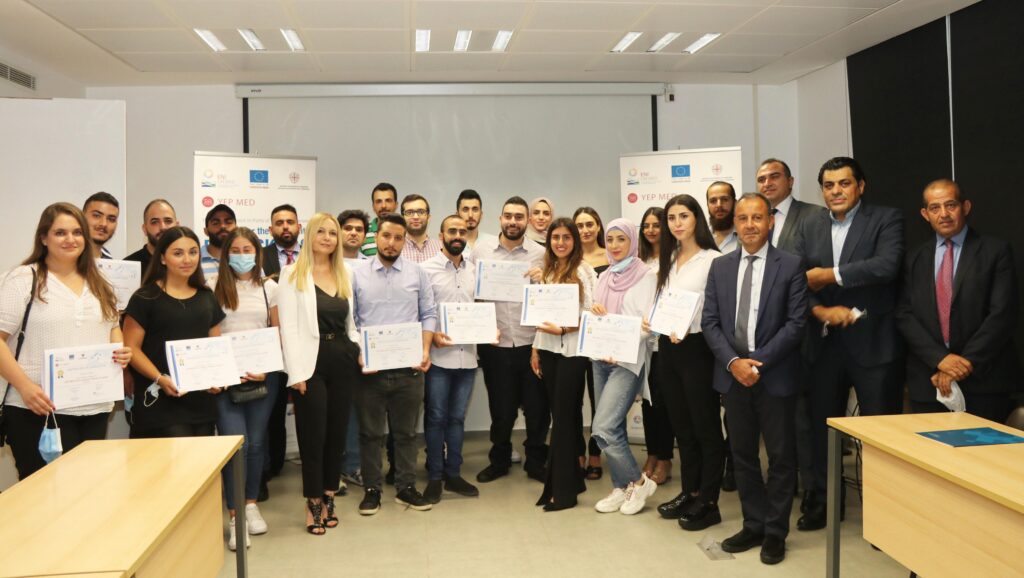
When it comes to helping women entrepreneurs in the Mediterranean overcome financial challenges, it’s all about tackling social norms and financial limitations. With only 4% of loans going to women, traditional bank loans are tough to access. On top of that, there’s a systemic bias in the investment world, where women-led startups often get less funding as women not being taken seriously as entrepreneurs. But there’s hope! Women can use microloans, grants, crowdfunding, and financial literacy programs to close the gap. Networking and mentorship are key too. In Lebanon, programs offering workshops, guidance, and funding opportunities—like those from the Beirut Chamber—are helping women access funding, build skills, and grow their businesses.
Only 5% of CEOs globally are women, and less than 5% of businesses in MENA are female led. Women’s participation in the workforce is shockingly low —between 15% and 30%— with the glass ceiling still in place, thanks to gender biases and a lack of mentorship. If we don’t act soon, it could take over 130 years to close the gender gap
In your opinion, what is the key role of the chambers of commerce to reduce discrimination and to address gender inequality?
I’m confident that chambers of commerce play a crucial role in tackling gender inequality. With their influence, they can drive change both internally —by adopting inclusive hiring, equal pay, and leadership policies— and externally, by offering training, funding access, and awareness programs. At the Beirut Chamber, we’re aligning with the UN SDGs, particularly SDG 5, to ensure equal access to education, employment, and resources for women. Additionally, by optimizing all support programs that tackle gender inequality, initiatives like the recent discussions in the ICC WCF Women’s Council—where I am a member—are setting new targets to increase female representation on the General Council Board. The debate on gender quotas, also known as “pink quotas,” and the “Most Inclusive and Diverse Chamber” award are encouraging chambers to prioritize gender equality and inclusive leadership in business recruitment and board representation. In our latest IFC Machreq Gender Facility program, we mentored executive women in large Lebanese enterprises to help them writing themselves the diversity and inclusion policies inside their workplace.
What inclusion initiatives launched by the Beirut Chamber could serve as a great example for other Mediterranean Chambers of Commerce?
At the Beirut Chamber, women are at the heart of our work, and we apply a gender lens to all our initiatives. I feel truly fortunate to work in an environment that champions gender equality and actively empowers women. We’re deeply involved in global programs with IFC, UNIDO, ILO, and ENI CBC MED, driving gender equality in business. Our job fairs had 58% female participation, and we trained 748 Lebanese youth through ENI CBC MED projects, with women making up 41%. Through the IFC MGF CARE ARABIA program, we’re bridging the gap between employers and childcare providers to support working women.
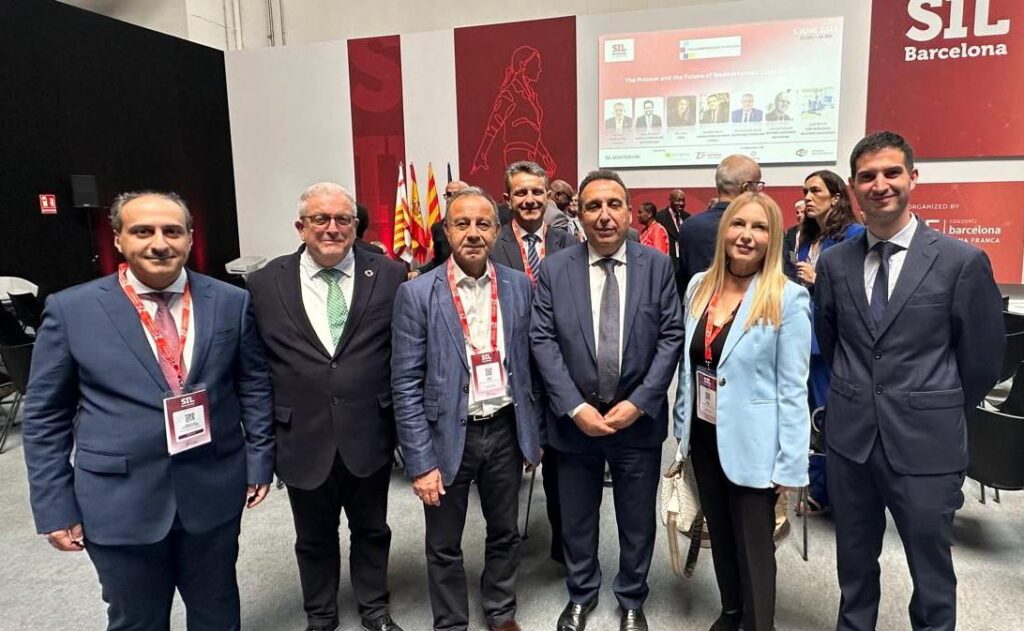
Our Women Digital Job Center offers career guidance and market access strategies, while our free training programs focus on logistics, ICT, blue and green skills, and AI tech. Looking ahead, we’re launching awareness sessions on gender-sensitive workplace policies, including Law #205/2020 on sexual harassment, and preparing for our annual Women Job Fair to connect female graduates with top employers. I’m especially proud of is the Women Digital Job Center, which we’ve sustained for its long-term impact on gender equality in Lebanon. This center is a game-changer for underprivileged women, fresh graduates, and those re-entering the job market, offering digital skills training, interview coaching, and job access strategies. So far, we’ve supported around 400 women, helping them step into better career opportunities.