
Events Ascame/ February 13, 2026/ Featured
In a moment of geopolitical uncertainty, shifting trade dynamics, and rapid technological change, Serbia has positioned itself as one of the most dynamic business and investment destinations in the Euro Mediterranean region. At the heart of this progress stands the Chamber of Commerce and Industry of Serbia, representing nearly 140,000 domestic and international companies. As an active ASCAME member, the Chamber plays a pivotal role in strengthening Serbia’s global economic ties, supporting businesses through international disruptions, and shaping the country’s emergence as a regional hub for innovation, logistics, and the green transition.
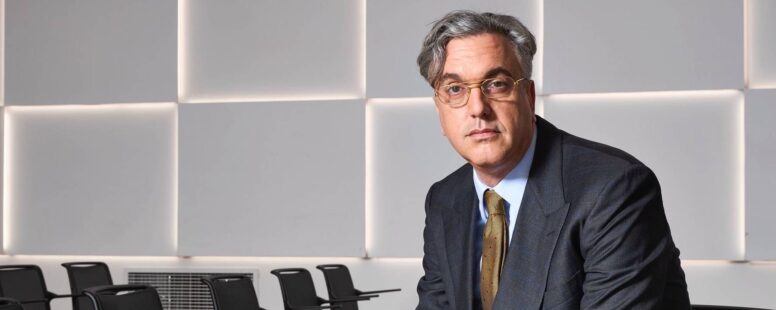
In this interview, the Chamber’s President, Mr. Marko Čadež, reflects on the main challenges facing Serbian companies today, the Chamber’s efforts to help businesses navigate a changing global market, and the opportunities created by Serbia’s expanding network of free trade agreements. He also highlights the country’s growing appeal to foreign investors, its accelerating digital and AI transformation, and the strategic importance of regional cooperation in the Western Balkans. Mr. Čadež offers insights into Serbia’s preparations for Expo 2027 Belgrade, a landmark event expected to attract more than 130 countries and millions of visitors, and what international companies – including ASCAME members – can expect from this global business gathering.
What are the main challenges companies currently facing in your country?
The main challenges faced by Serbian businesses, as well as companies worldwide, originate from the international environment. They are a consequence of global political tensions, the resurgence of protectionism, tariff wars, trade restrictions in the form of tariffs and quotas, disruptions in international supply chains, declining demand, and rising costs and risks. The challenges, which are at the same time an opportunity, relate to accelerating digital transformation and the green transition, keeping pace with rapid technological changes that are reshaping markets and business models, opening new markets, and addressing labour shortages in certain industries. One of the specific challenges for Serbia, as a country heavily dependent on energy imports, is the urgent need to diversify energy sources and supply routes, as well as to adjust the national energy mix by increasing the share of renewables. We are working intensively on this to ensure maximum security and predictability in the supply of energy for both households and businesses in the coming years.
How does the Chamber of Commerce and Industry of Serbia support its member companies in the current geopolitical context and in a global market marked by uncertainty and new restrictions?
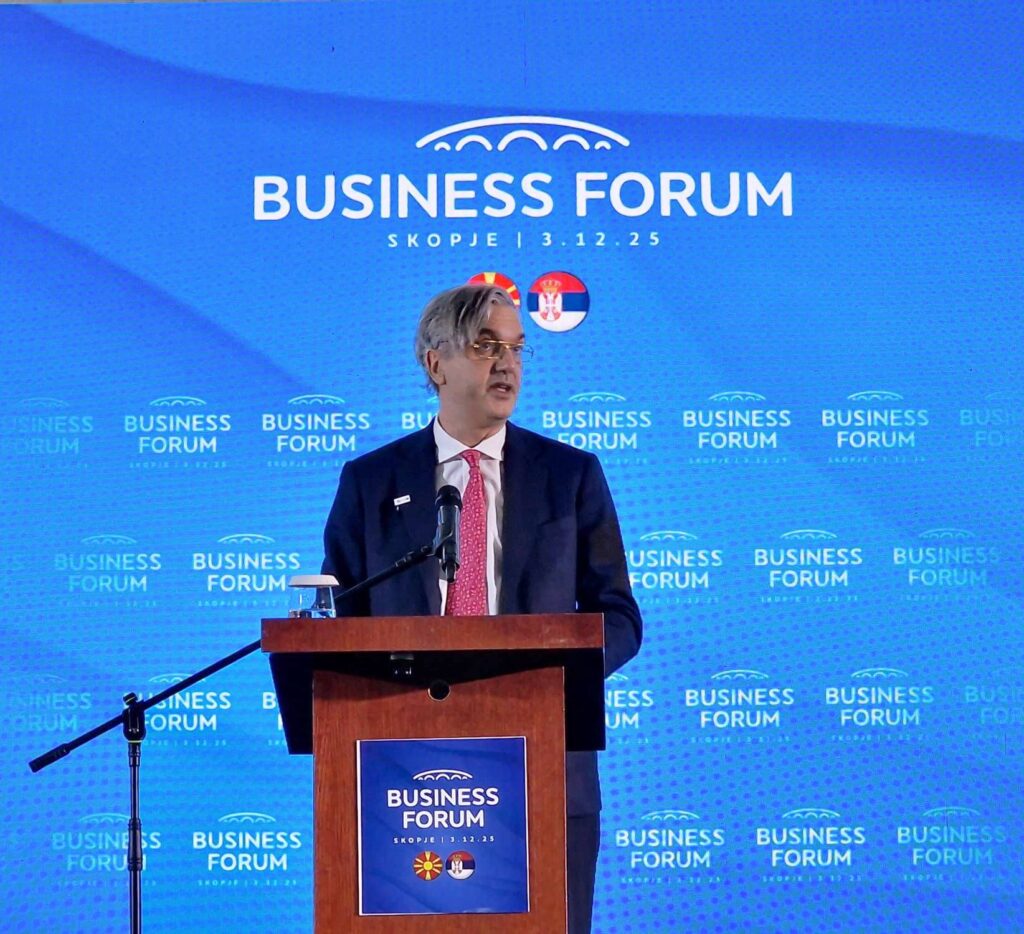
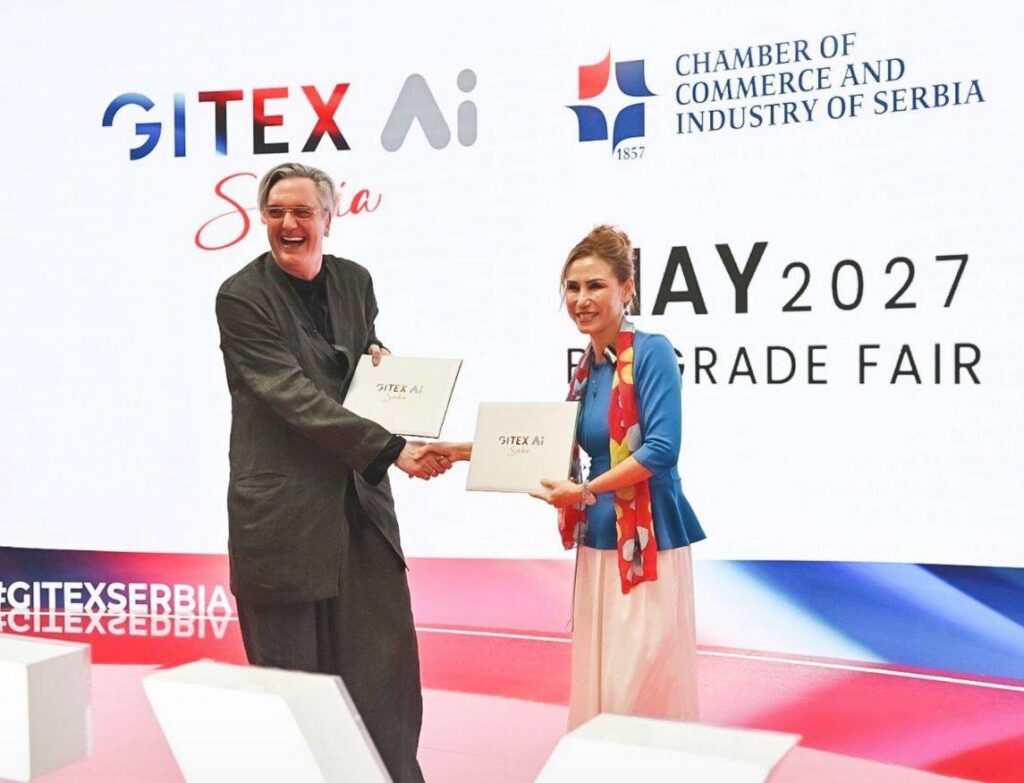
We support our member companies by actively representing their interests and working closely with the government to improve legislation, simplify procedures, and reduce administrative burdens. In Serbia, no economic law can be adopted without the Chamber’s formal opinion, which allows us to ensure that the business environment evolves in line with companies’ needs. Together with public institutions, we develop new incentives for exporters, digital transformation, automation, green transition, and energy efficiency. We also work to maximize the benefits of existing multilateral and bilateral agreements, such as free trade agreements, by accelerating the harmonization of certificates and documentation, negotiating new agreements, opening new markets, and helping companies meet international standards and connect with global partners. At the same time, we prioritize attracting foreign investment at a moment when global investment capacity is shrinking and investors are more cautious. Every year, we organize hundreds of bilateral business forums, missions, and delegations in Serbia and abroad. In the past year alone, our companies participated in more than 30 major international fairs, from China to the United States. In parallel, we are preparing for major events in 2027, such as Expo and GITEX AI Serbia, which will bring global attention and new opportunities to our country.
What are the most important free trade agreements Serbia has in place, and which new markets are you targeting?
Serbia’s free trade and preferential agreements allow our producers and exporters to access markets of more than 2.8 billion consumers without customs duties. In addition to the European Union (through the Stabilization and Association Agreement), Serbia has Free Trade Agreements with CEFTA, EFTA, the Eurasian Economic Union, and Turkey. After Brexit, we secured the continuity of trade liberalisation with the United Kingdom through a bilateral agreement. In recent years, several key agreements have expanded our global reach. The Free Trade Agreement with China, signed two years ago, significantly increased the number of consumers who can access Serbian goods duty-free. Last year, new FTAs with the United Arab Emirates and Egypt entered into force. Negotiations with South Korea are ongoing and expected to conclude this year, and we aim to upgrade our preferential trade relations with Japan to a full free trade agreement.
These agreements make Serbia an increasingly attractive destination for investors, not only from partner countries but also from other regions, strengthen its position as a leading production, logistics, and technology hub on the European continent. To further strengthen our global presence, the Chamber of Commerce and Industry of Serbia has recently established Serbia Export, a company supporting trade and joint projects with African economies, facilitating export-import operations, investments, joint ventures, and technology and knowledge transfer.
In Serbia, no economic law can be adopted without the Chamber’s formal opinion, which allows us to ensure that the business environment evolves in line with companies’ needs
You stated that Serbia is one of the most desirable destinations for investment and business on the European continent. Why?
This is how the international business community sees us, as evidenced by more than 20,000 foreign owned companies operating in the country and nearly 50 billion euros in foreign direct investment attracted over the past fifteen years. Serbia has been the first Western Balkan country to obtain an investment grade credit rating from Standard & Poor’s and consistently captures around 60 percent of all FDI flowing into the region. Beyond solid macroeconomic performance and strong growth – Serbia has been among Europe’s fastest growing economies in recent years, with average annual growth projected at around 4 percent by 2030. Investors value Serbia’s position as the largest economy and logistics hub of the Western Balkans. What truly distinguishes Serbia today is its rapid transformation into a regional innovation and technology centre. ICT has become the fastest-growing sector of the Serbian economy, and software its number one export product. Last year’s export of ICT services, at around five billion dollars, is ten times higher than a decade ago. Nearly 40,000 IT companies and entrepreneurs employ about 120,000 professionals, supported by a strong talent pipeline, a dynamic startup ecosystem, and an education system increasingly aligned with the needs of the digital economy, from compulsory programming in primary schools to advanced STEM programs at university level. Talented engineers, reliable domestic companies, and significant government investments in digital infrastructure, including powerful supercomputers for the development of artificial intelligence, have attracted global technology giants and high-tech companies from other industries, which are opening their research and development centres in Serbia.
What other investment opportunities does Serbia offer?
Beyond the traditionally strong food industry, Serbia offers significant investment opportunities in e mobility, green energy, and sustainable production. The country also has a long-standing automotive tradition. Today, hundreds of domestic and international companies manufacture automotive components in Serbia for European and global carmakers and Stellantis produces electric vehicles. ElevenES is developing advanced battery cells and, as announced this month, with a financial investment from the global company Caterpillar, is beginning the construction of a mega factory for the mass production of LFP batteries, further strengthening Serbia’s position in the mobility and energy transition sectors. Significant opportunities for new investments across the entire e-mobility value chain lie in the substantial reserves of critical raw materials that Serbia possesses, such as copper, boron, lithium, and cobalt.
In recent years, your Chamber has launched several innovative initiatives to support companies in their digital transformation and adoption of Artificial Intelligence. How do you approach this, and what results have you seen so far?
The Centre for Digital Transformation of the Chamber of Commerce and Industry of Serbia (CDT), established in 2018, provides continuous support to the Serbian economy, particularly to small and medium-sized enterprises, in digital and AI transformation. Tens of thousands of companies have been covered by various CDT programs and services in the past period – from the basic digital transformation program, through education, to digital AI tools, which we have developed independently or in cooperation with domestic IT companies and the scientific research community, and made available to our members. We also work on connecting ICT and startup communities with companies from other industries in order to establish direct cooperation and develop solutions to improve their businesses.
What digital AI tools are we talking about?
One of the most important is Serbia Export, a digital catalogue showcasing more than 3,000 Serbian exporters with detailed product, capacity, certification, and contact information, which is very useful both for Serbian companies and for international partners, including ASCAME members. A similar platform for the domestic market, Market Plus, will be launched soon. BizChat, an AI assistant for business information based on the CCIS knowledge base, is also available on our website to all interested users. We are also developing ESG Standard – a platform for ESG self-assessment, as well as INNOLAB – a digital innovation space, particularly tailored to small and medium-sized enterprises for testing business ideas, conducting SWOT analyses, and monitoring global trends. CA CLOUD – a platform for qualified electronic services – is also under construction.
Together with the Western Balkans Chamber Investment Forum, we have also created the WB6 Opportunity Platform, which connects regional businesses with each other and with investors through an AI assistant and a Job Marketplace.
Through ASCAME, we can intensify the exchange of information, expertise and best practices, create new opportunities for business networking and develop programs that support SMEs in digital transformation, green transition, internationalization, and skills development, key factors for competitiveness and resilience
How is the Chamber of Commerce and Industry of Serbia supporting the green transition, and what are your priorities for this year?
The Chamber plays a central role in Serbia’s green transition by connecting businesses, government, and international partners, and by helping companies meet sustainability standards required for competitiveness and global supply chains. We have strengthened our internal infrastructure through the Centre for Environmental Protection, the Centre for Circular Economy, and the Green Team, and we provide training through the Green Academy and the Responsible Business Hub, reaching more than 1,500 participants annually. We also support exporters with practical guidance on decarbonisation and CBAM compliance, and we work to improve access to green finance. This year, our focus is on helping companies adapt to new regulations – especially the Industrial Emissions Directive – by supporting carbon footprint measurement, clean technologies, and energy efficiency investments. Together with the government, we are preparing an incentive package for green investments, and in cooperation with GIZ we will provide small and medium-sized enterprises with free consulting services and financial support for the acquisition of equipment and software. We are also leading the national circular economy programme and launching “Green to Green – Without Filters”, a new initiative that shares practical solutions and real company experiences.
You have long promoted regional cooperation in the Western Balkans through the Chamber Investment Forum. How do you assess the progress made, and what should be the priorities moving forward?
Regional cooperation in the Western Balkans has been driven above all by the business community, represented through the Chamber Investment Forum. Our key objective remains clear: creating a functional common regional market and securing earlier fuller access for Western Balkan companies to the EU single market. The EU’s new Growth Plan is the first to formally recognize this goal. Adapting the new Entry/Exit System to the realities of freight transport and lifting restrictions on Western Balkan drivers is also urgent. Recent EU acknowledgment of these issues, following border blockades, is a positive step. It also shows the impact of coordinated action by the region’s chambers through the Chamber Investment Forum, which continues to advocate for practical solutions benefiting both Western Balkan and EU companies operating in the region.
What advantages does Serbia gain from its business association’s membership in ASCAME, and how can ASCAME and its chambers foster economic development across the Mediterranean?
Strengthening Serbia’s economic ties with the Mediterranean – one of the world’s most dynamic regions with over half a billion consumers and major transport and logistics corridors – is strategically important for our companies. Membership in ASCAME, the largest Mediterranean business network bringing together 300 Chambers from 23 countries, provides Serbian businesses with opportunities to connect with member companies of other Chambers and opens the door not only to increased mutual trade, but also to new investment and technology partnerships. In a period marked by global uncertainty and market fragmentation, closer collaboration among our business associations is essential for strengthening the influence of Chambers and business communities on decision-makers relevant to business, as well as for enhancing support to our companies.
Through ASCAME, we can intensify the exchange of information, expertise and best practices, create new opportunities for business networking and develop programs that support SMEs in digital transformation, green transition, internationalization, and skills development, key factors for competitiveness and resilience.
Next year, from May to August, Serbia will host Expo 2027, in which more than 130 countries from all continents have confirmed their participation and where a record number of three to four million visitors are expected. What can international companies, including ASCAME members, expect from this event, and how do you see its business significance for Serbia and the wider region?
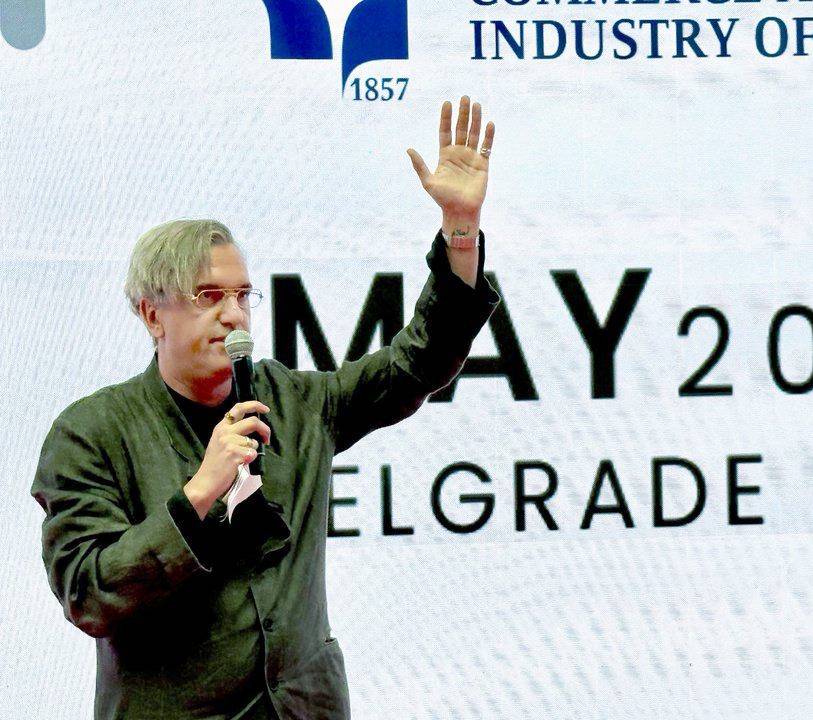
In addition to being a world exhibition, Expo 2027 will be a major global business platform. It will allow Serbian and regional businesspeople to showcase their products, investment projects, and innovations, while enabling direct connections with companies from participating countries and global leaders from industry, finance, and technology. International companies, including ASCAME members, will be able to explore the full potential of Serbia and the Western Balkans in one place, meet local partners, and network with businesses from all continents.The Expo will act as a catalyst for new investments, partnerships, and long term projects. Alongside the official business programme, our Chamber is preparing additional events, including Gitex AI Serbia, also in May, which will bring top global tech companies to Belgrade. The new fairgrounds and the establishment of the World Trade Center Belgrade will further position the city as a regional business hub during the Expo and in the years that follow.