
Events Ascame/ February 10, 2026/ Ascame projects, Featured
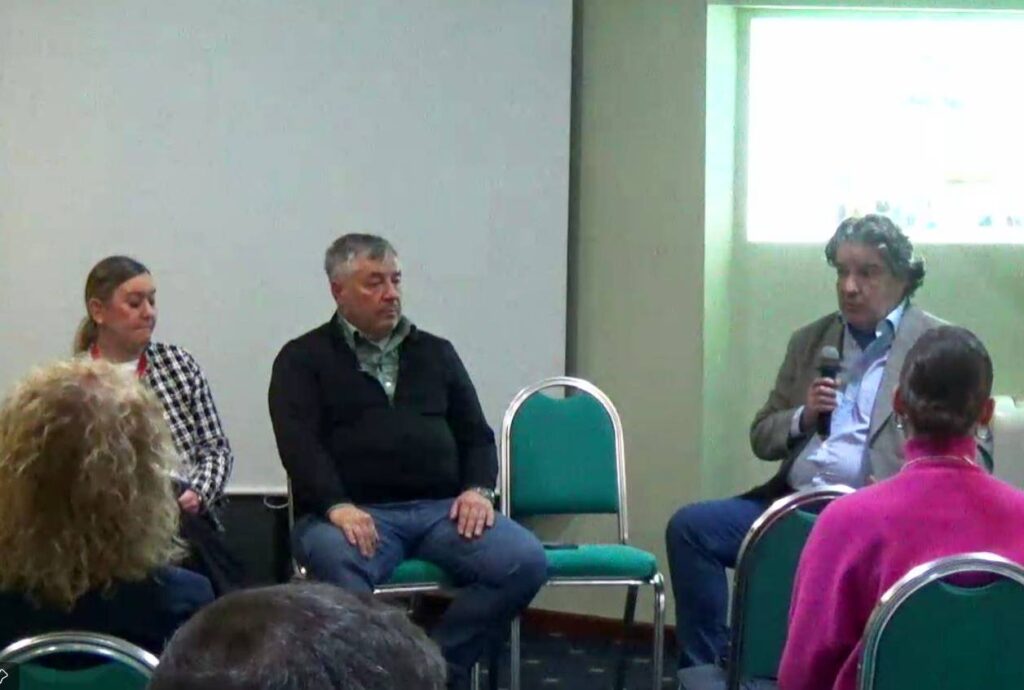
On 4 December, the partners of the RECIRCLE MED Project took part in the “Local Mobilisation Workshop and Western Balkans Forum”, held in Ohrid, North Macedonia. This event co-organised by the RECIRCLE MED Project, in which ASCAME is one of the strategic partners, brought together key stakeholders from local authorities, academia, industry, and regional organisations across the Western Balkans. The forum served as a platform for reflecting on shared challenges, exchanging best practices, and collectively advancing innovative approaches to blue and circular tourism.
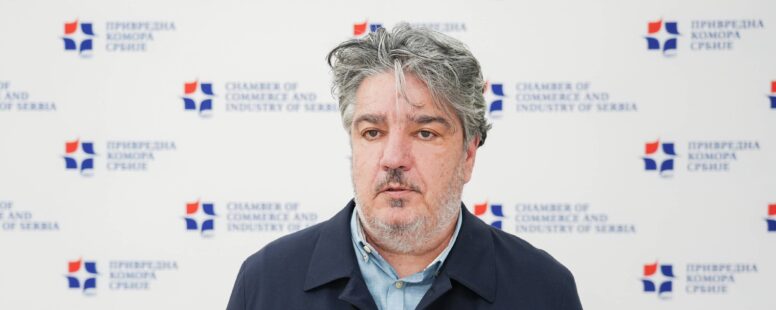
One of the central panels, “Western Balkans Challenges and Barriers toward Blue and Circular Tourism”, featured the participation of ASCAME member the Chamber of Commerce and Industry of Serbia. Mr. Nebojša Vraneš, Advisor at the Chamber’s Centre for Circular Economy, addressed these issues from a global circular economy perspective. In the following interview, we delve into the most pressing challenges for blue and circular tourism, the current situation in the Balkans compared with other Mediterranean regions, and the impact of the RECIRCLE MED Project in promoting sustainable tourism along Mediterranean coastal areas.
From your perspective, what were the most pressing challenges for blue and circular tourism highlighted during the “Workshop on Local Mobilization and the Western Balkans Forum”?
In my opinion, and based on many years of working with local authorities, companies, and communities, the key challenges are still very fundamental. First, there is a lack of real connection between stakeholders. Tourism operators, municipalities, utility companies, and local communities often work in silos. Second, regulatory frameworks are fragmented and poorly harmonized. Laws may exist, but bylaws, implementation mechanisms, and enforcement are often missing or inconsistent. Finally, education remains a critical bottleneck, not only formal education, but continuous training for local decision-makers, entrepreneurs, and tourism workers on what circular and blue tourism actually mean in practice.
How would you describe the specific situation of the Western Balkans regarding blue and circular tourism compared to other Mediterranean regions?
The Western Balkans have a very specific and somewhat contradictory position. On the negative side, unregulated and unsanitary landfills remain one of the biggest environmental pressures, especially in coastal and tourist-sensitive areas. Waste leakage into rivers and seas is still a serious issue. On the other hand, compared to mass tourism destinations such as Italy, Spain, or Greece, we still have a lower overall number of tourists, which results in less pressure on ecosystems, less waste generation, and more space to plan wisely. An important positive aspect is the development of etno and eco villages. In many cases, they already operate at a much higher level of circularity and environmental quality than conventional hotels or apartment complexes, relying on local resources, traditional architecture, local food systems, and closer community involvement.
In your intervention, you mentioned that only small locations can truly function in a circular way. Can you explain why scale plays such a decisive role?
Scale is decisive because small locations are usually household- and family-based systems. People live and work in the same place where they were born and raised, and social ties are strong. Everyone knows each other, which creates natural accountability and trust. This makes it much easier to organize waste separation, local energy solutions, water reuse, and fair distribution of benefits. Circularity is not only a technical concept, it is also a social one, and small communities are far better positioned to apply it in a genuine and fair way.
What factors determine whether local circular practices can develop into influential, systemic solutions?
In reality, a single local practice rarely becomes systemic on its own. What makes the difference is cooperation. When several local initiatives join forces through cooperatives, associations, or clusters, they can start addressing systemic issues such as logistics, standards, financing, and policy dialogue. Only through collective organization can local solutions scale up, influence regulations, and become part of a broader circular system rather than isolated good examples.
A positive aspect in the Western Balkans is the development of ethno- and eco-villages. In many cases, they already operate at a much higher level of circularity and environmental quality than conventional hotels or apartment complexes, relying on local resources, traditional architecture, local food systems, and closer community involvement
You also mentioned that no single project can solve the great challenge of circularity and that a strategic, step-by-step approach is necessary. What practical steps would you recommend for building such a strategy?
A serious circular strategy must start with understanding the system as a whole. In practical terms, this means mapping waste streams, material flows, energy use, wastewater, and rainwater management. Without this knowledge, projects remain fragmented and symbolic. Step by step, priorities should be defined, pilot solutions tested, and then gradually integrated into a broader framework that connects environmental, economic, and social objectives.
You highlighted the importance of integrating circularity from the very first stages of strategic planning. How can Mediterranean countries prepare their cities, tourism infrastructure and local communities before mass tourism intensifies?
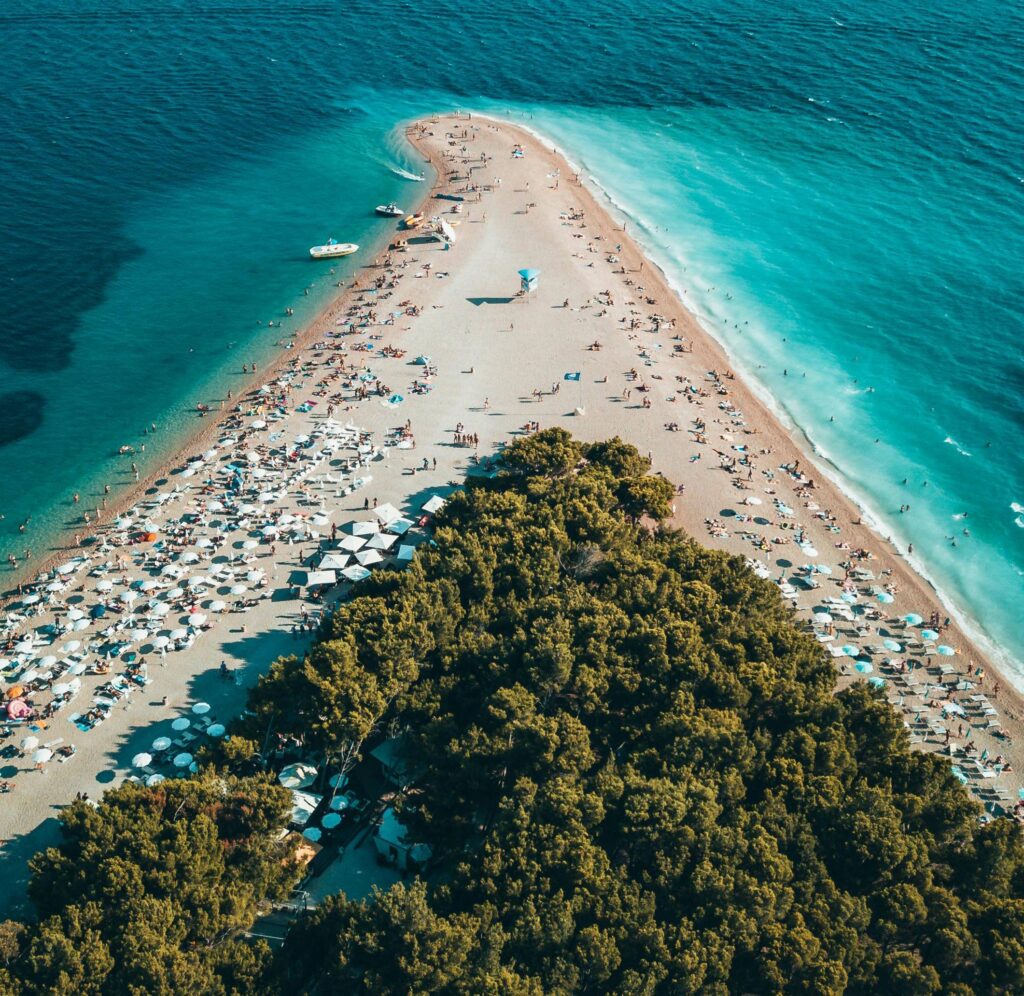
Anticipation is crucial. From my experience, it is much easier and cheaper to solve problems before they fully emerge. Cities and destinations must plan their waste, water, and energy systems in advance, before major infrastructure such as highways or large tourist complexes are built. The case of Ohrid is a good example. When there are fewer problems, systems can be designed more rationally, with circular solutions embedded from the start, instead of trying to fix damage later.
What is the main mission of the Center for Circular Economy within the Serbian Chamber of Commerce and how does it guide your work with companies and institutions?
The main mission of the Center is to support the transition of the Serbian economy from a linear to a circular model with as little economic and social loss as possible. Our work is strongly oriented toward practical solutions, new technologies, and innovation, helping companies and institutions understand circularity not as an obligation, but as an opportunity for competitiveness, resilience, and long-term development.
Can you list the main activities and programs of the Center that support companies in adopting circular practices?
One of our core tools is the digital platform of the Center, which serves as a knowledge hub. In addition, we develop sector-specific guidelines, action plans, and recommendations tailored to different industries. A strong focus is placed on material flow analysis, waste prevention, and resource efficiency, always adapted to the real capacities of companies operating in Serbia.
In what ways does the Center cooperate with regional or Mediterranean partners and how do these cooperations contribute to the advancement of the principles of the circular economy outside Serbia?
We actively participate in regional and international projects, networks, and conferences, where knowledge and experience are exchanged in both directions. Cooperation is not only project-based but also knowledge-based, with the digital platform playing an important role in disseminating best practices. These partnerships allow Serbian experiences to be shared regionally while also bringing tested Mediterranean and EU solutions closer to our local context.
Cities and destinations must plan their waste, water, and energy systems in advance, before major infrastructure such as highways or large tourist complexes are built. The case of Ohrid is a good example. When there are fewer problems, systems can be designed more rationally, with circular solutions embedded from the start, instead of trying to fix damage later
What role does the Chamber of Commerce of Serbia play within the RECIRCLE MED project and how does this participation match your national priorities for the circular economy?
The Chamber of Commerce and Industry of Serbia has a solid and complementary role within the RECIRCLE MED project. While other partner countries have direct access to the Mediterranean and focus strongly on coastal tourism, Serbia contributes through its experience with inland tourism models, eco and etno villages, and education. This aligns well with our national priorities, where circular economy development is closely linked to local communities, SMEs, and sustainable rural and cultural tourism.
What benefits do you expect RECIRCLE MED to bring to Serbian businesses and local communities through the Chamber’s participation?
Through RECIRCLE MED, Serbian businesses and local communities can gain access to concrete knowledge, tools, and examples from the Mediterranean region, adapted to their own realities. I expect stronger capacities for circular planning, better integration of environmental standards into tourism development, and new opportunities for cooperation and visibility. Most importantly, the project can help local actors understand that circular economy is not an abstract concept, but a practical pathway to more resilient local economies and better quality of life.