
- June 20th, 2025
MedaLogistics 2025, the Mediterranean’s leading summit on logistics, transport and supply chain, consolidated as the main platform for reflection, connection, and investment for the Mediterranean logistics community, bringing together companies, experts, and influential figures from the sector to delve into the present and future of the industry and boost regional and global trade. This year’s edition, the number 21, was held on the 18th and 19th of June at Fira Barcelona, within the framework of SIL Barcelona, in collaboration with the Consorci de la Zona Franca de Barcelona.
Under the theme “Imagining the Mediterranean Logistic Future”, all the sessions focused on analysing from different sectors and cultures the most innovative solutions to face new challenges in the logistics industry, as well as exploring emerging opportunities and business connections that will drive the industry’s evolution in the coming years. According to Mr. Anwar Zibaoui, ASCAME’s General Coordinator, “this new edition of MedaLogistics was not just another event, but a turning point to establish a new roadmap for the coming years in the logistics and the transports sector, to discuss and analyse initiatives and solutions that promote resilience in a constantly evolving global landscape, and to reposition the Mediterranean as the major logistics platform for east-west flows and the best option for channelling goods between Asia, Africa, and Europe”.
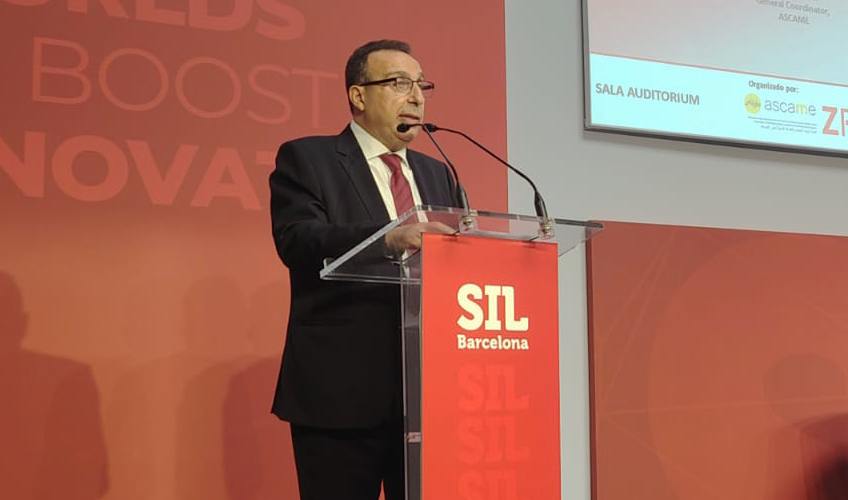
This edition was shaped by ongoing geopolitical tensions in the Middle East and the trade and tariff war initiated by the United States, which continues to affect the logistics and transport sectors. To this regard, Mr. Zibaoui shared the following reflection on the welcome session: “Geopolitics has become a determining factor in economic decisions, with growing tensions between the United States and China, challenges to multilateral agreements and protracted conflicts in Ukraine, Gaza and the Red Sea, now joined by the war between Israel and Iran. Despite this complex scenario, trade flows continue to grow. We are not witnessing de-globalization, but a reconfiguration of international trade towards greater regionalization. Supply chains are evolving: they are shortening, becoming more resilient and adopting a more responsible and sustainable approach”.
In this context, MedaLogistics has been a call to action and a vindication of the key role of the logistics industry in the Mediterranean region to compete in a global market, attract investment and improve connectivity between Europe, Africa and the Middle East. “The Mediterranean has a unique opportunity to once again become a logistics hub of global reference. To achieve this, it is necessary to promote public-private collaboration, a sustainable approach and new logistics planning that favors”, pointed out Mr. Zibaoui.
Focus on digitalization, sustainability and intraregional cooperation
The sessions at MedaLogistics 2025 clarified the key trends and challenges that will shape the future of logistics and transport in the coming years, while also identifying business opportunities that are expected to grow steadily. Digitalisation emerged as a key theme throughout the event, consistently highlighted as a driving force behind the transformation of the logistics and transport sectors.
Panelists emphasized that AI, robotics, and automation will continue to be key drivers of transformation in the logistics and transport sectors over the coming years. Several speakers noted that the industry is not only adopting new technologies to streamline operations but is increasingly replacing traditional processes with AI-powered solutions. Mr. Daniel Acosta, CEO of Grydd, highlighted the strategic role of AI, stating: “AI is essential for optimizing cargo loads -moving goods faster and more efficiently, forecasting demand fluctuations, improving inventory and route planning, automating warehouse operations, and enhancing supplier management”. Panelists also addressed broader challenges facing the sector. These include the need to foster new forms of collaboration that democratize access to technology, acknowledging that while high-tech solutions abound, access remains uneven across countries and companies. They also stressed the importance of strengthening ties between academia, research institutions, and the business world, and of raising awareness about how emerging technologies can contribute to emissions reduction and environmental sustainability.
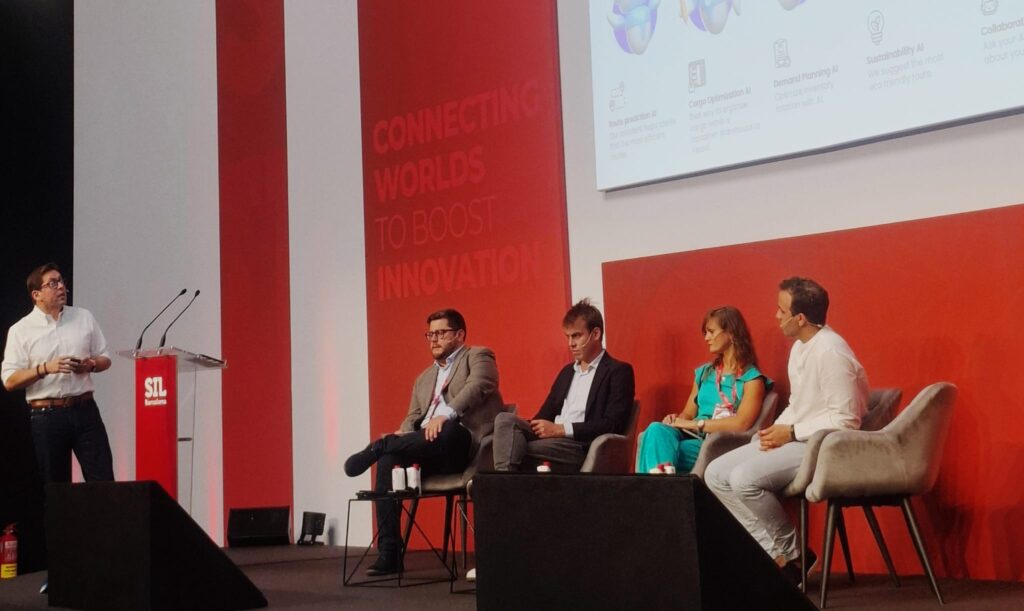
The sustainable transition of the sector was another key theme discussed throughout most sessions at MedaLogistics 2025. One of the discussions focused on the decarbonization and energy transition in the Mediterranean maritime sector. Speakers highlighted the significant strides in sustainability made by the maritime sector. For instance, more shipping companies are now operating with LNG, while port authorities are investing in LNG chargers, expanding electric container use, and promoting solar energy. However, sports harbours are still unaware of the potential and the economic benefits of electrification. According to Mr. Manel Cebrián, Second VP of the Board of Directors at ANBE -National Electric Boat Association, “by becoming energy hubs, sports harbours could be nearly self-sufficient in 2–4 years, boosting the adoption of electric boats”.
The “EMEA Rail & Metro Projects 2025” session opened with a compelling insight into the European Commission’s climate goals: “The EU aims to reduce CO₂ emissions from the transport sector by 55% by 2030 and 90% by 2050. To achieve this, freight transport must shift significantly from road to rail, boosting rail freight by 50% by 2030 and doubling it by 2050”. Panelists emphasized that integrated transport systems are key to achieving these goals. “Trailers and containers can be loaded onto trains, which can either stop where demand exists or travel directly from origin to destination”, explained Mr. Joan Amorós, President of FERRMED. Despite the potential, one of the major barriers remains the high investment costs required to make rail a viable alternative to road freight. Addressing this challenge will be essential to unlocking rail’s full potential in the decarbonization of European transport.
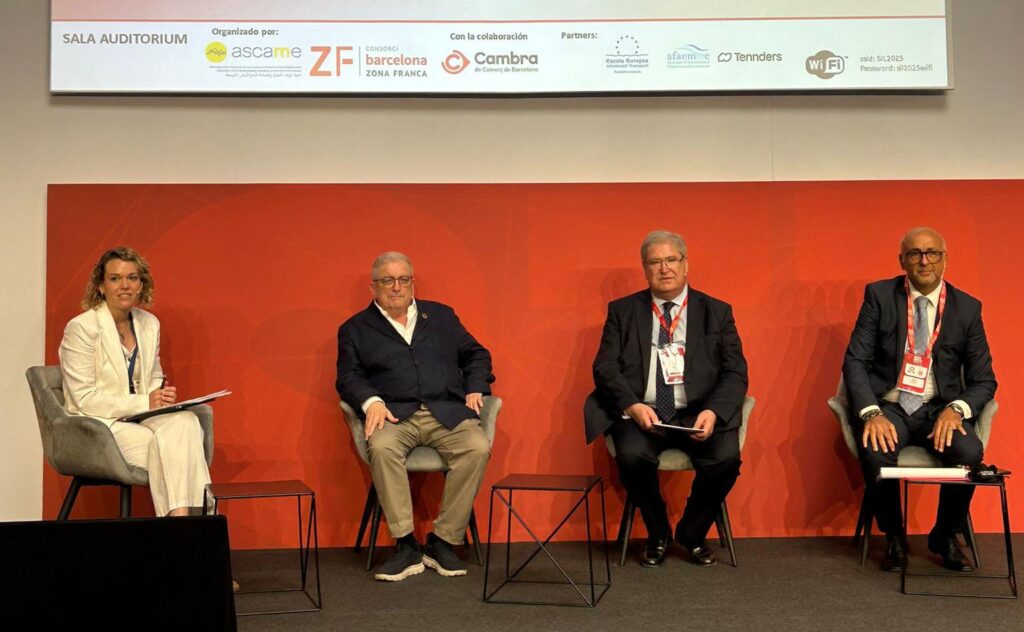
Panelists also called for stronger public-private collaboration across Mediterranean countries to improve infrastructure, strengthen interregional connectivity between the three continents, and promote greater territorial cohesion. In the last session, “Public-Private Partnerships in the Transport & Logistics Sector”, representatives from the Piraeus Chamber of Commerce and Industry (Greece) and the Chamber of Commerce and industry of Sfax (Tunisia) highlighted the significant benefits of intraregional cooperation and collaboration between the public and private sectors. This surge in trade has opened up major investment opportunities in both countries, particularly in logistics parks and warehousing infrastructure. It has attracted foreign investment and boosted the presence of local logistics companies. The result: a remarkable modernization of logistics infrastructure and increased economic competitiveness, positioning both ports as key logistics hubs in the Mediterranean.
Another key discussions on MedaLogistics were: the need of political stability in the countries to attract foreign investment in logistics infrastructures and transport services -for instance, this is key to boosting intra-African trade-, the need to investing in human capital -empowering professionals with the skills, knowledge and decision-making abilities to meet the sector’s evolving challenges-, and the vital role of women in shaping the future of transport and logistics across the Mediterranean, Middle East, and Africa -panelists highlighted how empowering women in both leadership and operational roles drives innovation, boosts efficiency, and fosters sustainable growth-.