
Events Ascame/ March 31, 2025/ Featured
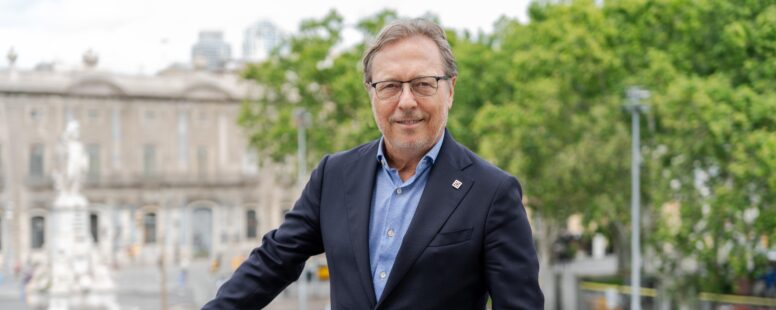
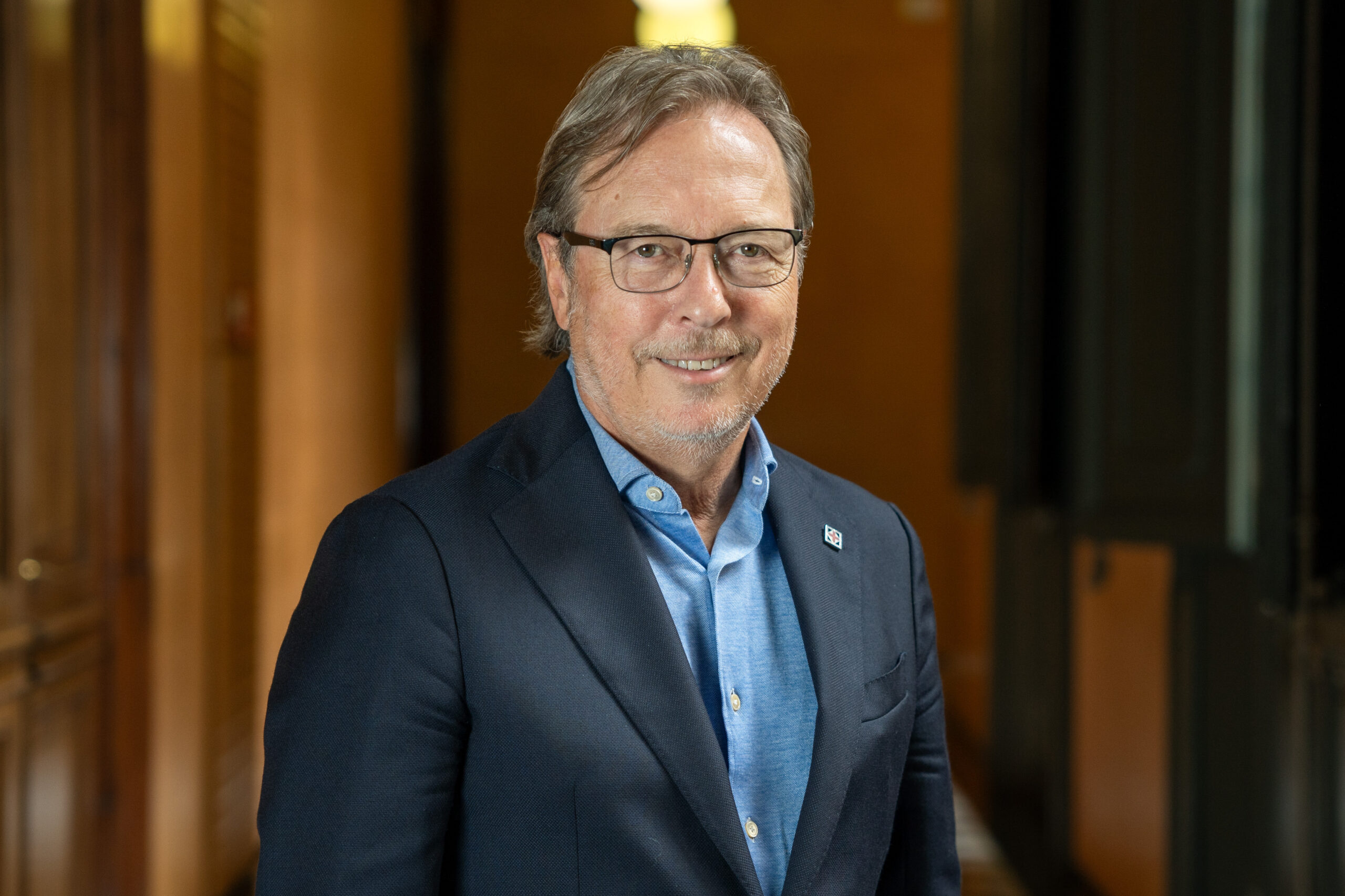
Mr. Josep Santacreu, President of the Barcelona Chamber of Commerce, shares in the following interview his thoughts on the future of ASCAME and the Mediterranean. In a year in which we celebrate the 30th anniversary of the Barcelona Process, Mr. Santacreu claims the intra-regional cooperation between all Mediterranean countries to face the great challenges shared by all countries in the region, such as climate change, sustainable transition, digitalization, female entrepreneurship or the insertion of young people in the labor market. With a long career in the health sector and in the management of social, health and economic organizations, Santacreu has been CEO of DKV Seguros, President and Founder of the business association Respon.cat, member of the Plenary of the Chamber of Barcelona and one of the founders in Spain of Médicos Sin Fronteras. He is President of the Barcelona Chamber of Commerce since October 2023 and of the General Council of Chambers of Catalonia.
ASCAME was created 43 years ago at the initiative of the Barcelona Chamber of Commerce to promote economic and business cooperation through the Chambers of the Mediterranean. How do you value this pioneering commitment and the strategic role and international recognition that the institution has acquired over the years?
The history of the Barcelona Chamber of Commerce is linked since the Middle Ages to the Consolat de Mar and the Barcelona Board of Trade, which became the leading institution for the economic and cultural progress of the country and the Mediterranean. The Chamber, founded in 1886, is heir to this Mediterranean and transnational commercial tradition and promoted the creation of ASCAME 43 years ago. For us, the Mediterranean will always be a priority and a central axis of our actions. During all these years, ASCAME has faced many challenges and has become a key player in promoting the economic development of the region. Today, we can assure that this association is more necessary than ever, as it is the main entity that gives voice to the private sector in the Mediterranean and represents the interests of millions of companies in the region. Today, we are looking firmly to the future without forgetting our origins, of which we continue to be proud. Whether we are committed to a sustainable economy or championing human-centered innovation and the digital revolution, we cannot stop in our quest for something better to build a common future for our Mediterranean region.
How do you see the future of chambers of commerce and how can they face present and future challenges?
Shaping the future of Chambers of Commerce requires a unified vision to achieve the necessary objectives in the next stages. Chambers currently play a crucial role in international trade and in the promotion of companies and the defense of their interests. In fact, the evolution of chambers parallels that of companies. Thus, while the latter face some of the greatest challenges and need to innovate continuously in order to survive, Chambers must also adapt their services to the new demands and challenges faced by the private sector. For this reason, we can assure that Chambers are in a privileged position to turn challenges into business opportunities, boost the development of the private sector and contribute to the momentum and development of emerging economies. Chambers of Commerce are, therefore, a guarantee of prosperity and international projection of companies.
What should ASCAME’s strategic role be in the coming years and what strategy should it follow to adapt to a constantly changing socio-economic context?
ASCAME’s objective is to unite all key players in the Mediterranean private sector to foster and promote regional integration and boost the Euro-Mediterranean partnership. The association has pioneered the launch of a comprehensive strategy that is committed to combining the urgency of an economic and financial revival with the need to lay the foundations of a new development model based on the digital, green and blue transformation of the region, focusing on three pillars: the sustainable transition of the tourism, agricultural, textile, industrial, automotive and logistics sectors; the economic development of SMEs; and the promotion of entrepreneurship among women and young people. The Chambers of Commerce must be the main partner of Mediterranean companies to promote international trade and investment, a source of economic growth and social development. For this reason, it is essential to provide ASCAME with the capacity and the means to consolidate itself as a key agent of sustainable regional development in the Mediterranean and beyond.
Chambers must adapt their services to the new demands and challenges faced by the private sector. For this reason, we can assure that chambers are in a privileged position to turn challenges into business opportunities, boost the development of the private sector and contribute to the momentum and development of emerging economies
Therefore, ASCAME’s future is intrinsically linked to greater intra-regional cooperation.
For sure. It is essential to bet on a cooperation framework that boosts the private sector and the Mediterranean economy. It is time to make the most of the new opportunities that are emerging in the Mediterranean. We must explore them together, without barriers or limits. That is why ASCAME’s action plan for the coming years should focus on the constant search for synergies and the exploration of new avenues of economic and business cooperation between the continents that are united by the Mediterranean: Europe, Asia, the Middle East and Africa. Our region must be united to face the great challenges of today, such as climate change, sustainable transition, digitalisation, new financing alternatives for SMEs, female entrepreneurship, job creation and new business opportunities. It is time to open new avenues of knowledge and alliances between Europe, Asia and Africa through the Mediterranean, taking advantage of the potential of young people and women. Investing in them is investing in the future of a region that, as a tricontinental platform, must advance with ASCAME to the next level.
This year marks the 30th anniversary of the Barcelona Euro-Mediterranean Process. Why is it now the right time to revisit the objectives of the Barcelona Process?
The region is facing the rise of populism, the social, economic and environmental consequences of climate change, social inequalities and the problem of unemployment. In this context, it makes more sense than ever to revisit the objectives of the Barcelona Process, which proposed various policies related to the economic development of the Mediterranean region, the fight against terrorism, the promotion of democracy and human rights, the creation of a free trade area and cultural exchanges. This year’s celebration of the 30th anniversary of the Barcelona Process is a unique opportunity to rethink the future of the Mediterranean on the same basis and contribute to the common good by strengthening the social and economic fabric in a sustainable manner and overcoming social differences and inequalities. All countries and their citizens must be equally empowered to drive the necessary change to return the Mediterranean to the hegemony it had in the past and to be an example for other regions of the world to follow.
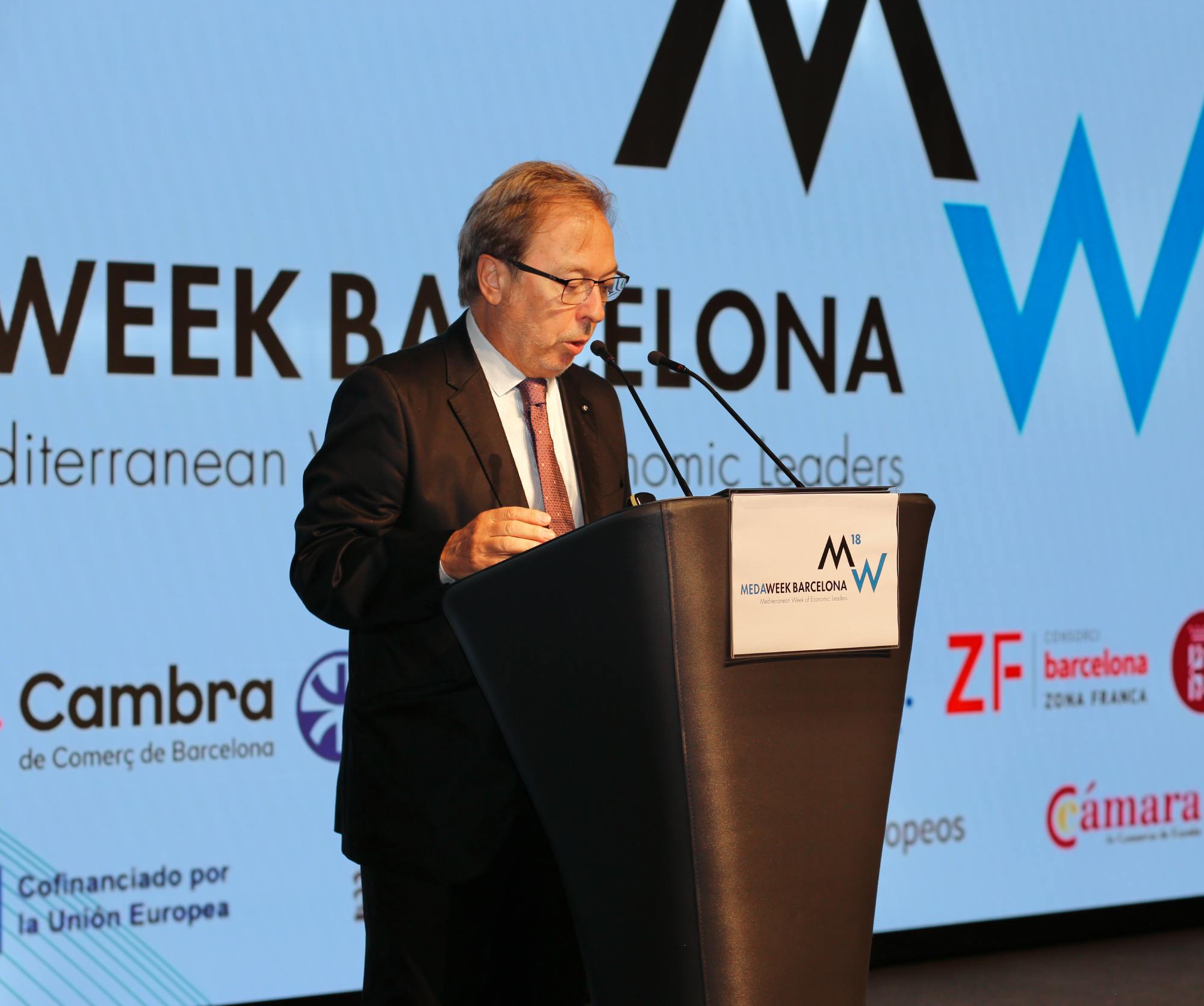
ASCAME's action plan for the coming years should focus on the constant search for synergies and the exploration of new avenues of economic and business cooperation between the continents that are united by the Mediterranean: Europe, Asia, the Middle East and Africa. Our region must be united to face the great challenges of today, such as climate change, sustainable transition, digitalisation, new financing alternatives for SMEs, female entrepreneurship, job creation and new business opportunities
What challenges are great opportunities for the Mediterranean?
There are many active emerging markets that attract international operators, especially the large consumer market, renewable energies, and raw materials, to which we should add the potential of youth and women to transform the region. In the new economic paradigm known as ‘slowbalisation’, global value chains are shortening and becoming regional chains. In this context, the Mediterranean could become a thriving North-South production frontier. Integration between the two shores of the Mediterranean is key to strengthening the link between Europe and Africa, whose destiny is interconnected in a development axis that encompasses 1.8 billion inhabitants. This integration would transform the region by boosting exports, employment, digitization and a green and blue economy that promotes sustainable tourism and renewable energies. History, diversity and common values should be the basis for rethinking this relationship and building a new destiny together.
Finally, what role should Barcelona play in the Mediterranean?
Barcelona is the headquarters of ASCAME and the Union for the Mediterranean, in addition to many other regional organizations, and in recent years it has also become the leading logistics center of the Mediterranean and has developed its own vision of the main problems of the Mediterranean. Since the Barcelona Process, the city has accumulated experiences and initiatives that will serve to establish new bridges and build a common future. Today it is an international reference in terms of knowledge exchange, dialogue and integration and could become the driving force behind a large Mediterranean economic area. But to achieve this it is also essential to join wills, resources and a unified public-private strategy. The motto of our Chamber is: “The land gives us its fruits; the sea gives us its riches”. Our Mediterranean has been, is and must continue to be the great opportunity to generate economic prosperity and social development in our communities.