Events Ascame/ January 16, 2025/ Events, Featured
The Mediterranean region, a vital trade and cultural hub, is grappling with political instability, climate change, and social tensions. Closing investment gaps, particularly in green energy, infrastructure, human capital, and technology, is essential to fostering a resilient and sustainable future. Despite some economic recovery, the outlook remains uncertain due to fiscal constraints and structural inefficiencies. Addressing these challenges requires bold investment strategies, public-private partnerships, and a united effort to secure peace and stability.
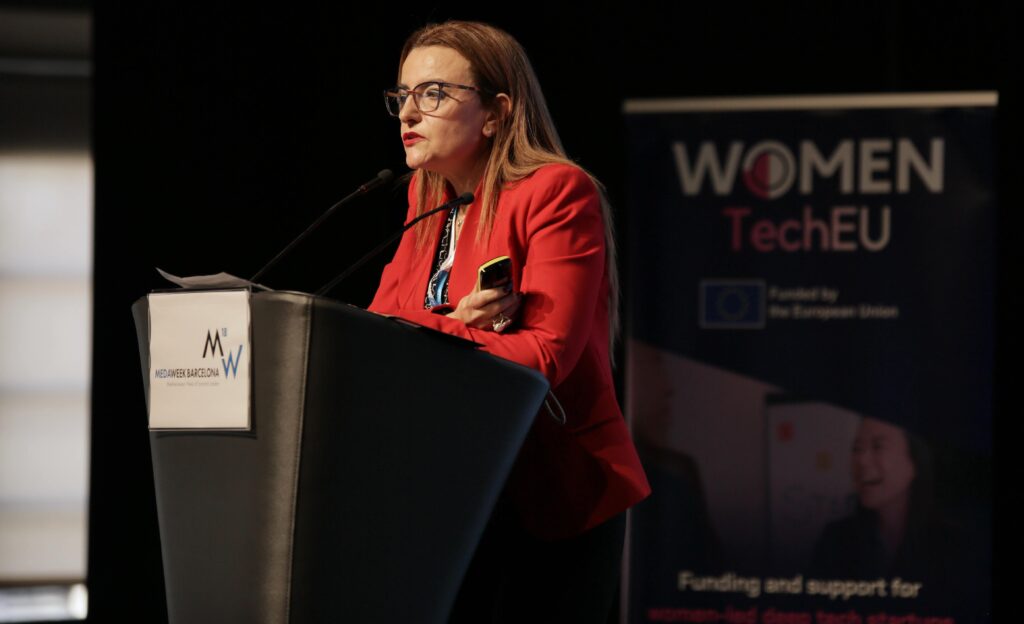
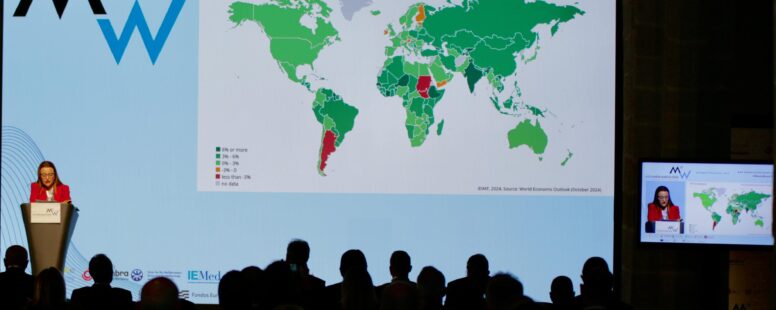
In the framework of MedaWeek 2024, Ms. Rym Ayadi, President of the Euro Mediterranean Economists Association (EMEA), outlined the main issues addressing the key socio-economic and environmental challenges facing the drive to secure growth and enhanced resilience. Within the session entitled ‘Mediterranean Annual Economic Report’, Ms. Ayadi started talking about the economic outlook in the region based on the current Mediterranean economy pillars and projected objectives for 2035: “For many countries, the combination of high public debt and constrained fiscal space has further limited their ability to invest in the infrastructure and reforms necessary for sustainable growth”. She added that despite the expected 2,7% growth in the wider Middle East and North Africa, this recovery remains fragile: “We face downward pressures from reduced oil production and higher prices, ongoing conflicts, and structural inefficiencies across many economies”.
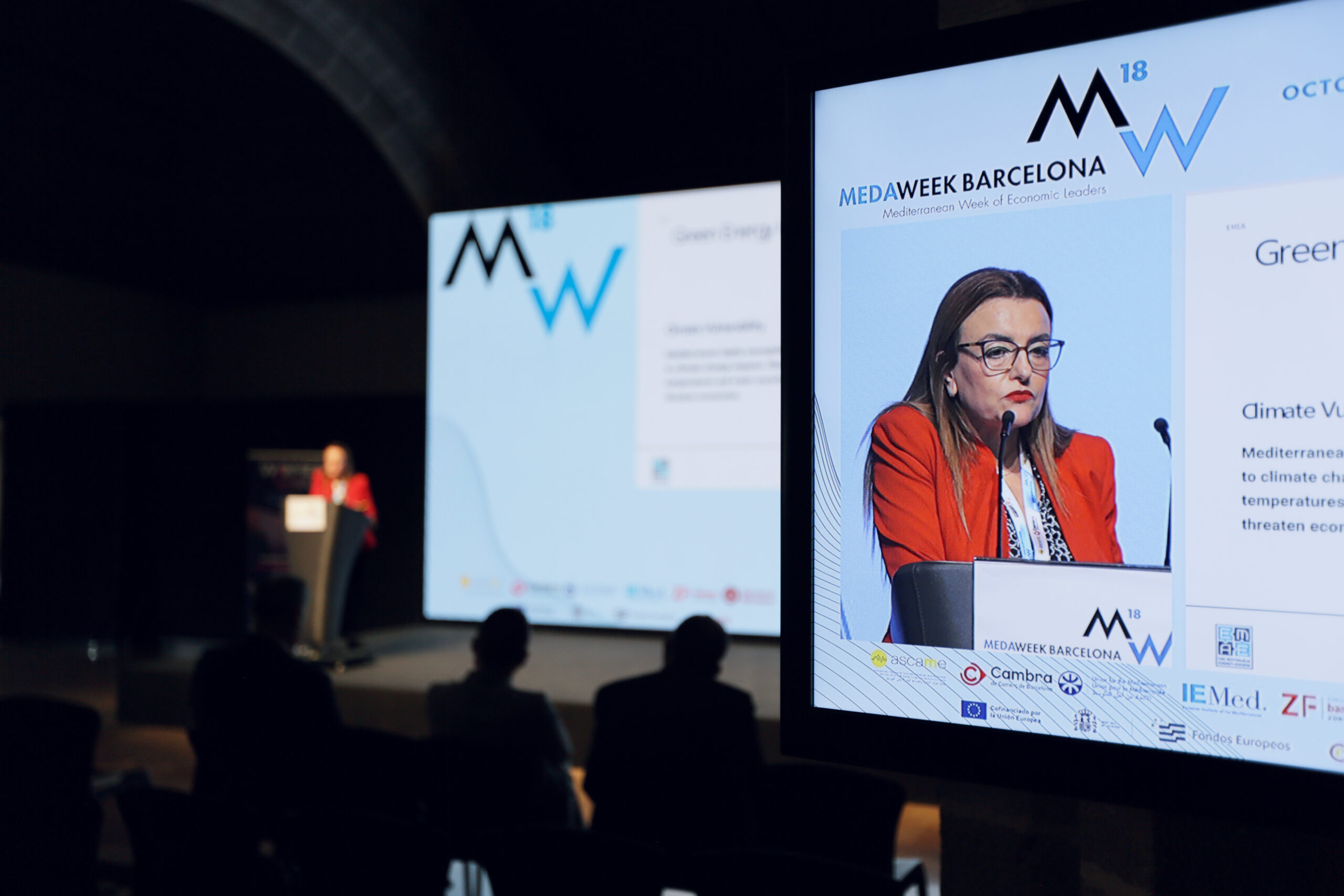
Ms. Ayadi also talked about climate change and sustainable transition in the region. Regarding the climate vulnerability, she said that Mediterranean is highly susceptible to climate change impacts: “Rising temperatures and water scarcity threaten economies”. In her opinion, “the problem is that we are talking about natural disasters that are annual and whose economic cost is impossible to calculate, which requires greater cooperation between the public and private sectors and greater investment in green technologies and new infrastructures”. In this regard, the speaker also warned of the unequal sustainable transition in the Mediterranean: “There are countries like Morocco that have made great progress, even leading the way in solar energy generation, and others that are far behind, either because of conflicts in their region or because of the socioeconomic inequalities they face”. To overcome this gap, the President of EMEA referred once again to the need for greater public-private cooperation: “Renewable energy investment falls short. Coordinated efforts needed to boost funding and improve regulations”.
Natural disasters in the Mediterranean, whose economic cost is impossible to calculate, require greater investment in green technologies and new infrastructures, apart from greater public-private cooperation
Another key point of Mr. Ayadi’s presentation was the modernization of infrastructures in the Mediterranean, above all, in the ports, rails and roads. According to her, “improved infrastructures are needed to enhance the region’s competitiveness, and resilient transport networks are crucial for regional stability”. Regarding the investment needs, she talked about a “3-4% of GPD annual increase will be required to maintain competitiveness”. She added that “public-private partnerships can bridge the funding gap”.
Finally, the speaker referred to the challenges associated with embracing digitalisation in the Mediterranean. In her opinion, these are the most important ones to face: “AI adoption (job displacement due to automation and the need for reskilling workers), investment in STEM education and enhancing literacy and innovation, fostering inclusive ecosystems, bridging the digital divide (access to digital tools for all the citizens in all the Mediterranean countries and supporting rural and undeserved communities), and vision of future (realizing the benefits of AI and the digital economy, apart from building a capable workforce for the digital age).
Mr. Ayadi ended her presentation with this reflection: “Mediterranean’s challenges are formidable but not insurmountable”. In her opinion, there are three main priorities in shaping the future of the Mediterranean: “Addressing investment gaps in green energy, infrastructure, human capital and digital transformation -leading to a more resilient and sustainable future-, rebuilding trust and confidence for peace and stability, and fostering strategic partnerships by aligning goals between governments, businesses, and international partners -fostering collaboration for regional development-“.