
Events Ascame/ November 21, 2024/ Featured
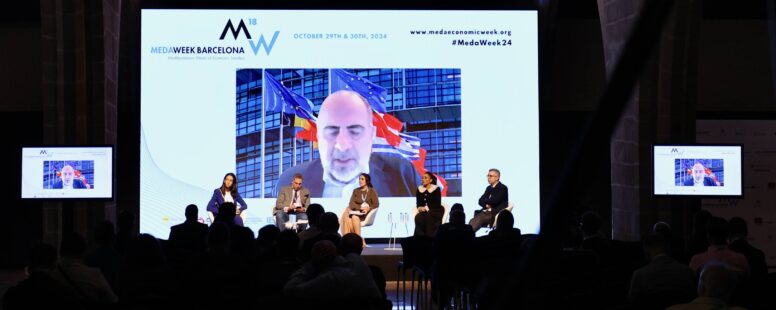
MedaWeek Barcelona 2024, held in Casa Llotja de Mar (Barcelona) on the 29th and 30th of October, brought the main challenges and opportunities of the Mediterranean to the table, becoming one year again the flagship Mediterranean entrepreneurial and economic platform for the entire world. Through 10 multisectorial sessions, panels, workshops, and networking sessions, Medaweek helped CEOs, entrepreneurs, professionals, institutional representatives, investors, researchers and industrial actors understand changing trends across sectors and geographies, emerging markets in the Mediterranean and beyond, the most exciting regional projects, and the main business opportunities.
The summit kicked off with the welcome address from the organizers and the institutional collaborators who insisted on the need to construct a common future between the two shores, based on new technologies, innovation, digital transformation, green and blue economies, renewable energy, health, tourism and sustainable food, among others. According to Mr. Ahmed El Wakil, President of ASCAME, “MedaWeek broadens its horizons towards Africa and Asia, and builds bridges for trade and investment with the neighboring regions and countries of the Mediterranean Sea”. To Mr. Josep Santacreu, President of the Chamber of Commerce of Barcelona, “MedaWeek is a great opportunity to rethink the relationship between the EU and the Mediterranean and, also, to bet on regional economic integration to ensure GDP growth above 6%, to attract international companies, and to increase exports”.
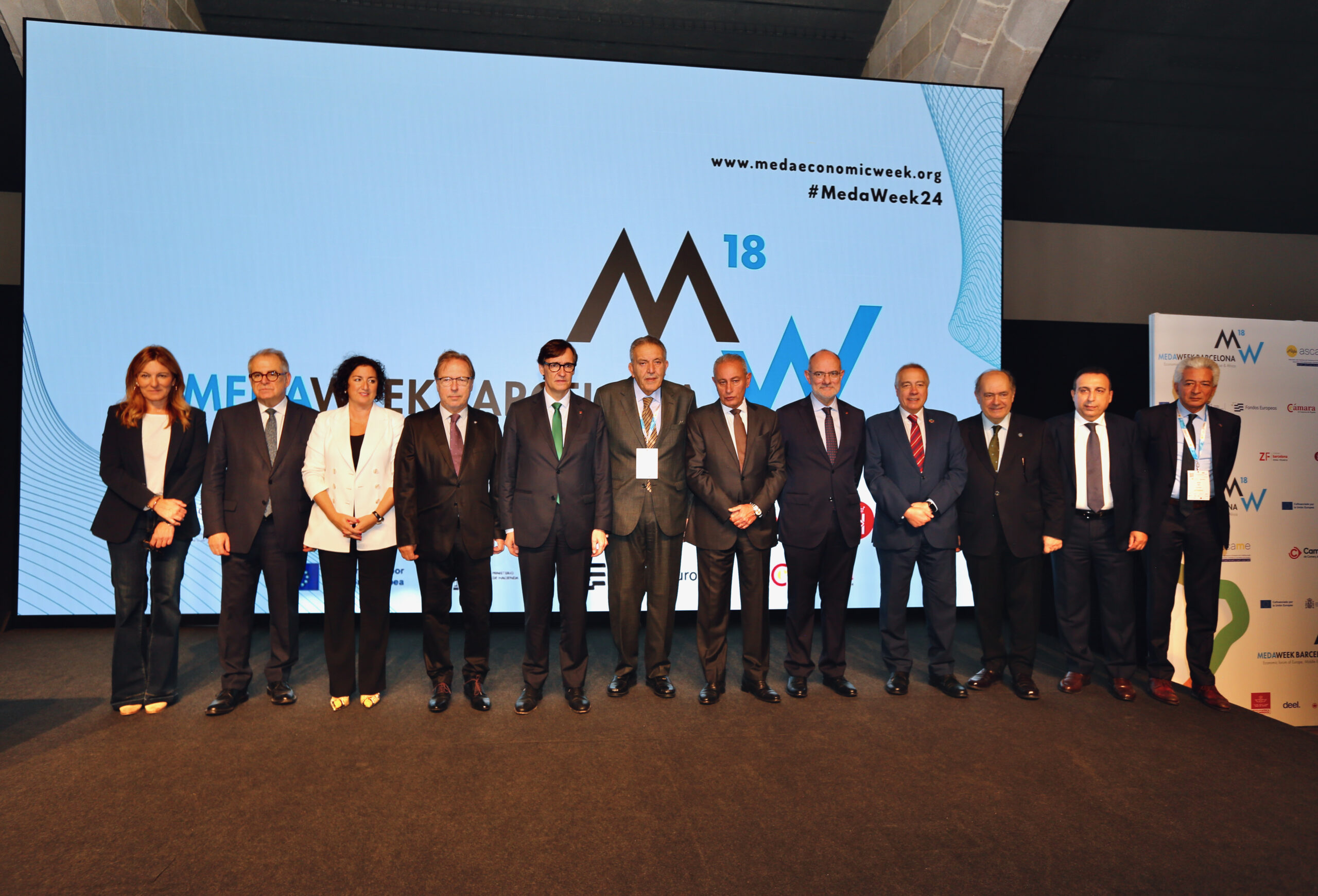
In addition, Mr. Anwar Zibaoui, General Coordinator at ASCAME, pointed out: “We stand for economic development, hope in the face of uncertainty and indifference, peace and development initiatives over violence, new routes of knowledge between the two shores, and creating new opportunities and partnerships despite current challenges”. In the same line, Mr. Salvador Illa, President of Generalitat de Catalunya, highlighted that “today’s Mediterranean challenges turn into opportunities in the fields of renewable energy, climate change, and tourism. We must address the challenge of immigration from humanitarian values”.
Mediterranean socio-economic outlook
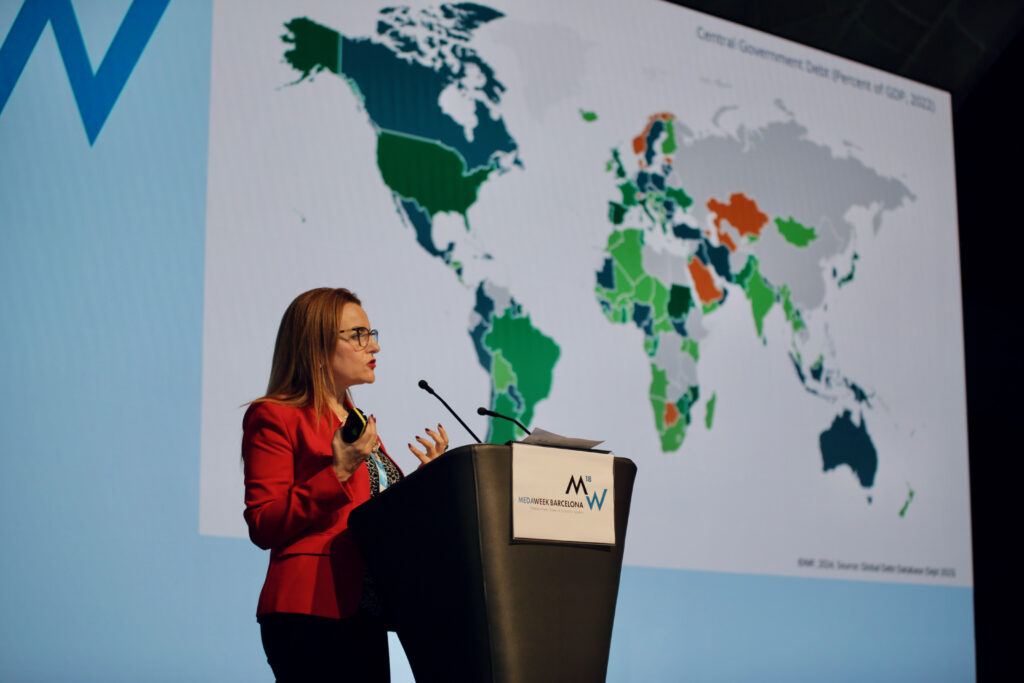
The opening session was followed by the ‘Mediterranean Annual Economic Report’, a session conducted by Ms. Rym Ayadi, President of the Euro-Mediterranean Economists Association (EMEA), who shared interesting insights and data about the current and future Mediterranean socio-economic landscape. Ms. Ayadi started talking about the Mediterranean economic outlook: “Growth in the Middle East and North Africa region is expected to rise to 2,7% in 2024, up from 1,9% in 2023. However, this recovery remains fragile. We face pressures from reduced oil production and higher prices, ongoing conflicts, and structural inefficiencies across many economies. For many countries, the combination of high public debt and constrained fiscal space has further limited their ability to invest in the infrastructure and reforms necessary for sustainable growth”.
Ms. Ayadi also reflected on green energy investment -renewable energy investment falls short; coordinated efforts needed to boost funding and improve regulations-, the urgent infrastructure modernization -improved infrastructure enhances competitiveness, and resilient transport networks are crucial for regional stability- and digital transformation in the Mediterranean -AI adoption, investment in STEM education, inclusive ecosystems, support to rural and undeserved communities, and building a capable workforce for the digital age-.
New Economy in the region
Within the session ‘Mediterranean Economies: NOW and NEW’, experts talked about the new economy in the region, which is driven by several factors, including technological innovation -digital technologies are reshaping industries such as tourism, agriculture, and manufacturing-, sustainable practices and regional cooperation -to tackle shared challenges and enhance resilience-.
The forum began with a keynote speech by Mr. Fadi Saab, Chairman of Trans Capital Finance, who outlined the main issues addressing the key socio-economic and environmental challenges facing the drive to secure growth and enhanced resilience. Mr. Saab focused on 10 economic pillars: “Green and climate-resilient economy, decarbonized industrial and energy economy, advanced digital and AI-driven economy, blue economy, agro-ecological and food-tech economy, inclusive and impact-focused financial economy, wellness and healthy living economy, sustainable and regenerative tourism economy, cultural and creative economy, and regenerative economy”.
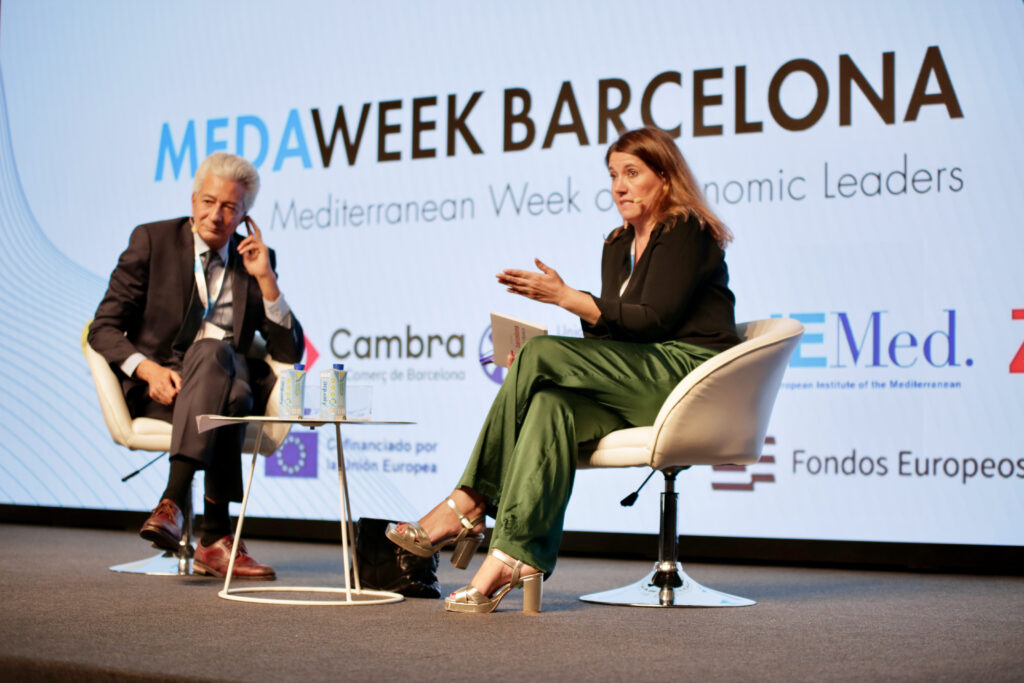
In the framework of this session, Ms. Blanca Sorigué, General Director of Consorci Zona Franca de Barcelona, talked to Mr. Alaa Ezz, Secretary General of the Confederation of Egyptian European Business Associations (CEEBA) about DFactory Barcelona, which has become the largest Industry 4.0 ecosystem in southern Europe, favoring synergies between start-ups, innovation centers, laboratories, and large corporations. DFactory Barcelona has positioned the Catalan capital as the epicenter of the new economy. According to Ms. Sorigué, “We offer high-added value knowledge, and we facilitate technology transfers between companies. We are an example for other free trade zones around the world. Barcelona is the model to follow when it comes to finding a reason to transform your business that is not based on tax benefits”.
Finally, Ms. Maria Helena de Felipe, President of the Association of Organisations of Mediterranean Businesswomen (AFAEMME), who reflected on the key role of tech women in the Mediterranean’s new economy by focusing on the Women TechEU Project. This is a 2-year EU-funded project supporting women leading deep tech startup companies from Europe. According to her, “Our mission is to create a more gender-balanced entrepreneurship ecosystem”. She added: “Diversity drives innovation, and we are here to provide women in deep tech with more opportunities, resources, and support to thrive”.
Fostering a new digital Mediterranean
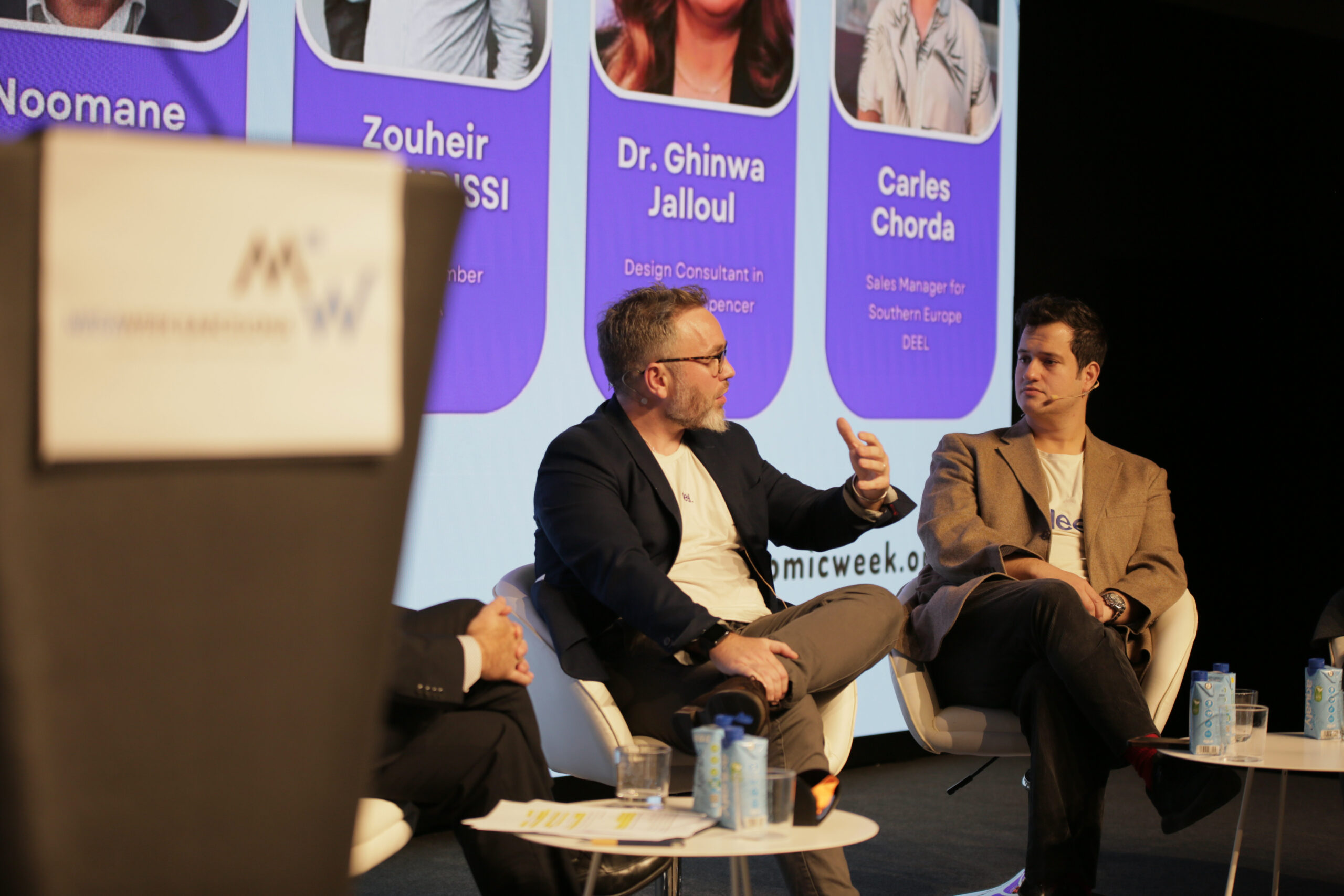
Within the ‘Digital Economy Forum’, panelists shared insights and recommendations for fostering a new digital Mediterranean, focusing on digital infrastructure, platforms, skills, and entrepreneurship. According to Mr. Sergio Pinar, Enterprise Account Executive at DEEL, “the digital transformation in the Mediterranean entails great challenges, such as building solid infrastructures, managing global talent, adapting to automation, and supporting start-ups and SMEs in their growth”. Pinar added, “The challenge is not only finding the best talent, but also making sure today’s employees have the tools they need to thrive in an increasingly automated, technology-centric environment. In this context, companies must adopt a strategic approach that combines the development of internal talent with the ability to attract and manage international teams, leveraging platform solutions such as DEEL”.
Ms. Ghinwa Jalloul, President of the Sydney Institute of Technology and Innovation, focused on the social and economic impact of digitalization: “Embracing digitalization is no longer a choice but a necessity, as it holds the foundation and potential to shape a more inclusive, resilient, and sustainable world for generations to come. For instance, it increases individual employment by 13,2% and reduces extreme poverty by up to 10% and greenhouse gas emissions by up to 20%”. In addition, Ms. Christiana Manzocco, Director of Investments at Alberta Enterprise Corporation (AEC), insisted on the need to foster public and private cooperation: “Both companies and governments have to take the digital transition seriously because new technologies and, especially, AI, evolve faster and faster. The private sector needs talent and infrastructure, and the public sector must invest more capital because it has a social responsibility to citizens”.
Reshaping the future of the food, sports, and creative industries
Medaweek also delved into the transformation of key sectors in the region, such as food, sports and creative industries, with a great impact on the economic, sustainable and social development of the Mediterranean. In this sense, the ‘Mediterranean Food Industry Platform’ showed the region’s diverse culinary heritage and examined how innovation is driving growth and sustainability in the food sector. For instance, as we saw in this session, the agro-food industry is evolving rapidly. Innovations in areas like organic products and agritech are shaping its future. Organic products and innovations in agritech and food tech are promising areas within the agro-food industry.
The halal industry has also great business opportunities. Experts highlighted that halal meat, poultry, and seafood constitute almost 50% of total global market sales. This industry is expanding into Non-Muslim markets: the rising Muslim population in non-Islamic countries has led food and beverage businesses to start their halal product lines. In addition, halal food is becoming synonymous with healthy food.
On the other hand, the ‘Mediterranean Sport Industry Forum’ explored the role that sport plays in the development of the Mediterranean region from two points of view. The first one regarded business and investment opportunities. According to the experts, the emergence of sports events in the region enhances tourist attractiveness. Sports tourism, comprising 10% of global tourist flow, is poised for substantial growth with a projected Compound Annual Growth Rate (CAGR) of about 12% from 2021 to 2027. The active engagement of the local community is identified as a key success factor that organizers, rights holders, and destinations must prioritize.
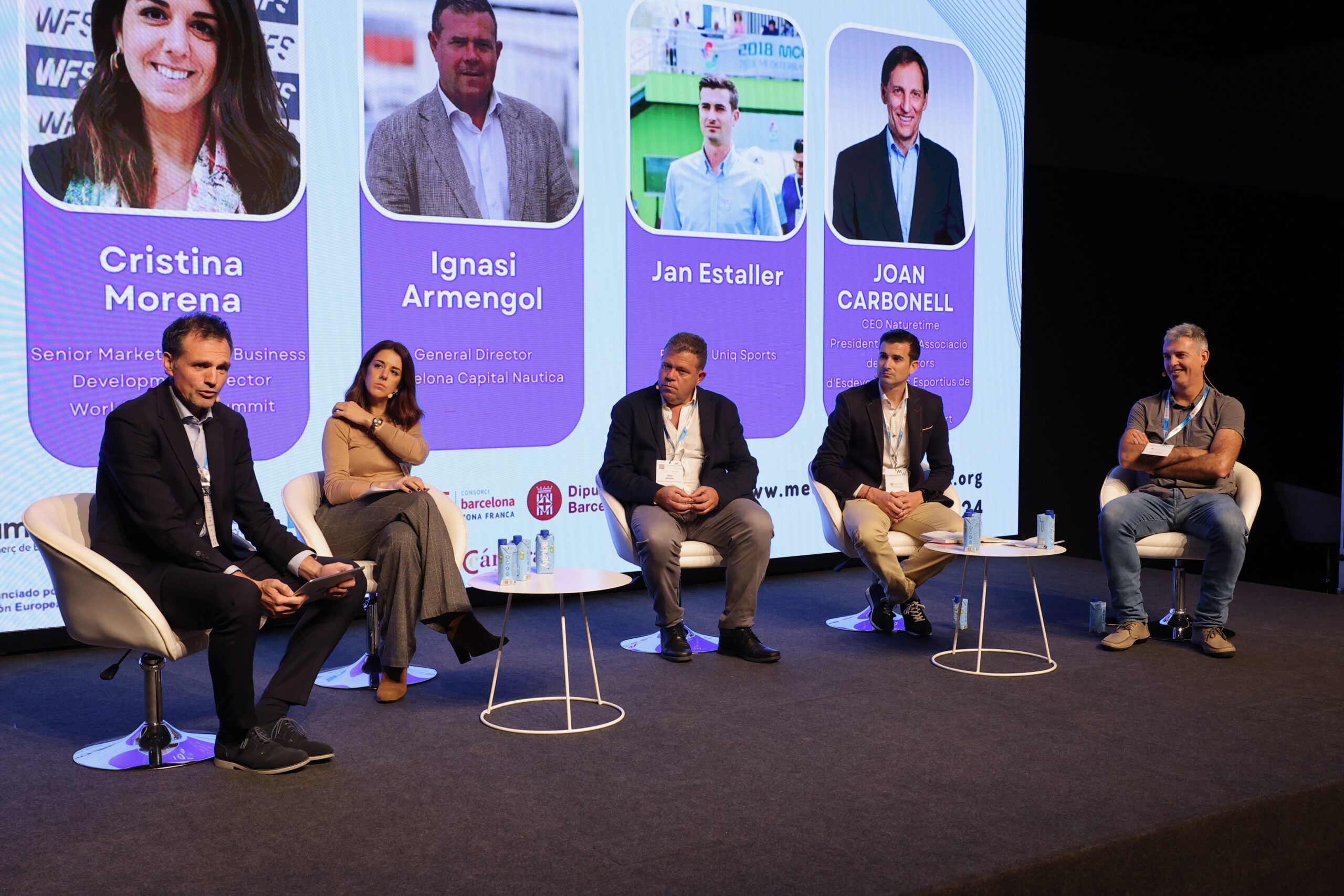
The second point of view referred to social integration and positive environmental impact. For instance, football, one of the driving forces behind sports tourism in the world, increasingly involves companies committed to the environment and social inclusion. A good example exposed in this forum was the World Football Summit, which connects over 120.000 of the football industry’s decision-makers who want to design a sustainable football industry. Its Senior Marketing and Business Development Director, Ms. Cristina Morena, highlighted that this platform actively supports initiatives that foster social inclusion: “In all our sporting events, we ensure that a minimum of 20% of the participants are women”.
Finally, within the ‘Mediterranean Creative Industry Forum’, panelists analyzed the challenges and opportunities inherent in the cultural landscape. One of the initiatives presented at the forum was the Creative Business Network, which supports start-ups and entrepreneurs in the creative industry through a global network of partners and investors. This is a unique spot for those interested in creative sectors to gather, share ideas, and have conversations. This platform responds to the growing demand of the sector’s agents to have a collaborative space where tangible solutions to the specific challenges of the creative industry can be addressed. Representatives from this network insisted on “fostering disruptive innovation aiming to change the world and impact the global economy and global culture”.
Rethinking tourism and cities in the Mediterranean
The ‘Rethinking Tourism in the MED Forum’ sheded light on the future of sustainable tourism in the Mediterranean, focusing on its environmental, social and economic impact. Specifically, panelists discussed the keys to moving towards sustainable tourism models that seek a balance between tourism activity and sustainable practices. They highlighted that dialogue between public administrations, tourism industry agents and citizens is key to avoiding tourist overcrowding in historic centers, generating positive experiences for both tourists and the local community, and generating business in cities while preserving the environment.
Experts also told about sustainable practices in ports, transport and logistics: “Investment in maritime technologies is one of the strategic axes of the cruise sector to reduce its environmental footprint. This sector has made a great commitment to clean technologies to advance in the decarbonization of logistics and port activities, making this industry an example to follow in the blue economy, both for the tourism sector and for any other economic area”. In addition, Ms. Marta Miquel, Chief Business Officer at the Escola Europea Intermodal Transport, underlined “the need to train future leaders and professionals in the tourism sector based on the best practices of a sustainable tourism model”.
On the other hand, in the framework of the ‘MedaCity Forum’, experts analyzed and debated the key role of Mediterranean cities as drivers of industry and innovation. Ms. Marisol Lage, Head of the Technical Office for Economic Development Strategies of the Economic Development and Tourism Area at Diputació de Barcelona, put some examples of the main challenges faced by Mediterranean cities today: “The rapid urban growth -generating pressure on infrastructure and public services-, high unemployment rates -especially among young people-, global warming -which favors migratory movements, causes natural disasters and harms the quality of life of citizens-, dependence on sectors such as tourism, lack of investment in infrastructure – which limits the capacity for economic and sustainable development-, as well as the attraction and retention of talent”.
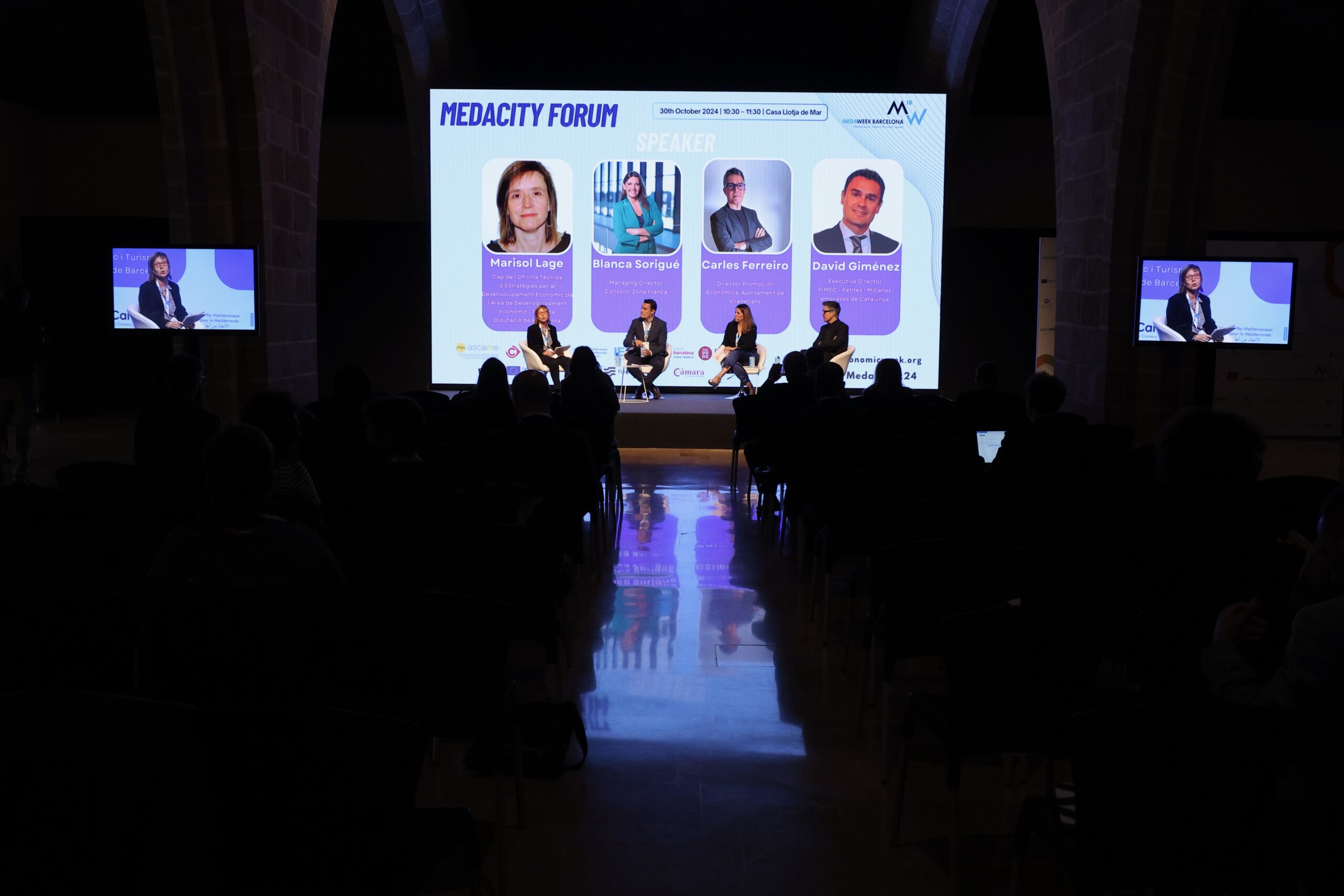
To Ms. Blanca Sorigué, General Director at Consorci de la Zona Franca de Barcelona, “the most competitive cities are those that have talent in the territory -or capture it or ‘manufacture’ it in-house-, those that are well connected with the rest of the world, and those that have an innovative ecosystem that brings together universities, technology centers, and R&D centers.
Building bridges with Africa and Canada
MedaWeek Barcelona 2024 explored the business opportunities of two emerging markets for Mediterranean companies. The first one is Africa, the continent with the highest percentage of young people, who can contribute to the digital transition to the entire Mediterranean and also to the sustainable transition in the region -moving forward a greener economy and a sustainable development-. In addition, the global clean energy transition holds new promise for Africa’s economic and social development.
All these questions were debated on the ‘New Africa Business Development Forum’, where Mr. Luca Jahier, Former President of the European Economic and Social Committee shared the following thought: “In Africa, we need more investment in emerging sectors related to digitalization and renewable energies. We also need more investment in the training of young Africans, as those with higher education migrate to other countries in search of a better future. We also need to encourage greater cooperation between African countries, to address common challenges such as mobility, emigration, the effects of climate change or dependence on Asia”.
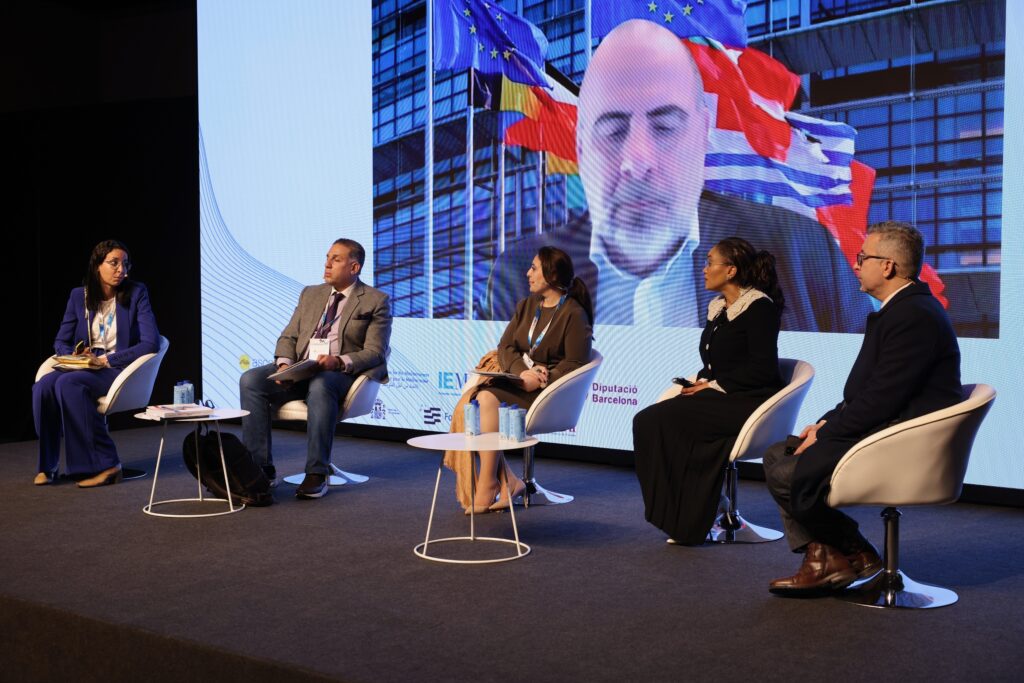
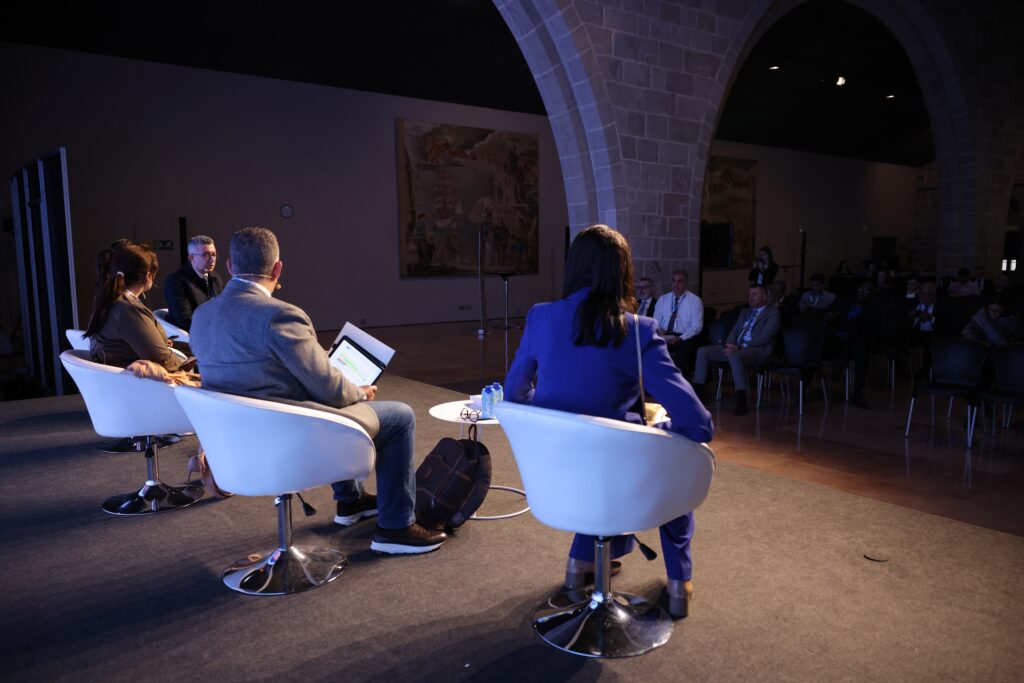
In the same line, Ms. Habiba Laraki, Area Manager in Catalunya, Valencia, Aragón and Baleares at Royal Air Maroc, said: “We need to bring Africa closer to the rest of the world. To achieve this challenge, it is necessary to count on the support of the governments and investments from multinationals. Another key point to promote economic growth in Africa is to invest in infrastructure and transport. Public and private collaboration is needed to create new means of transport and new ports for merchandise”.
To Mr. Jauad Kharraz, Executive Director at the Regional Center for Renewable Energy and Energy Efficiency (RCREEE), “in Africa we have the resources to create renewable materials, we have raw materials”. He added: “It is key to attract foreign investors, to train our young people in renewable energies and AI, and to manufacture on this continent many of the components needed by companies in the Mediterranean region”.
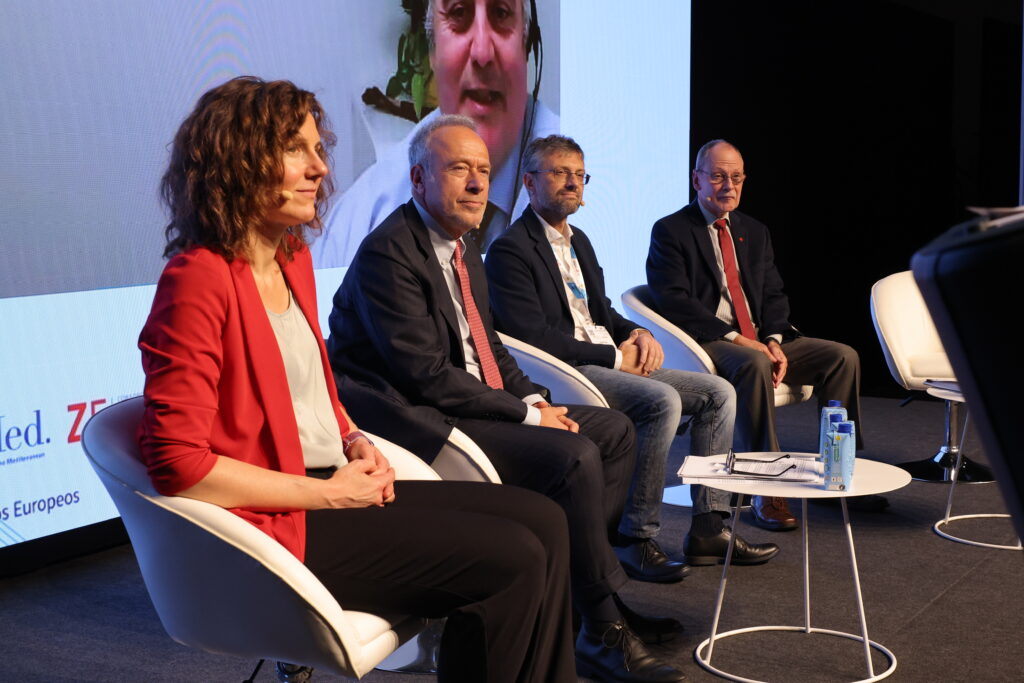
On the other hand, MedaWeek included the first edition of the ‘Mediterranean—Canada Business Forum’, which explored new synergies between Canada and the Mediterranean, offering strategies for internationalization, innovation, and industrial support. Ms. Karra-Lee Gerrits, Consul and Trade Commissioner at the Consulate of Canada in Barcelona, underlined the growing relationship between both regions: “Trade and investment between Canada and the Mediterranean countries is growing rapidly, creating jobs and fostering increased innovation for the benefit of all. Canada’s two-way trade with Mediterranean economies has increased steadily in the last decade, reaching an estimated CAD 20 billion last year”.
Experts highlighted that “the collaboration between the Mediterranean region and Canada represents a unique opportunity to foster trade, innovation, and sustainable growth“. They added that numerous Canadian organizations are available to meet the Mediterranean companies’ needs for high-quality products, services, and technologies. In addition, they stressed Canada’s innovative ecosystem: “The Government of Canada has invested over $2 billion to foster innovation and public-private partnership in strategic sectors such as AI or IoT where this country aspires to be at the forefront globally”.