
Events Ascame/ December 17, 2024/ Featured
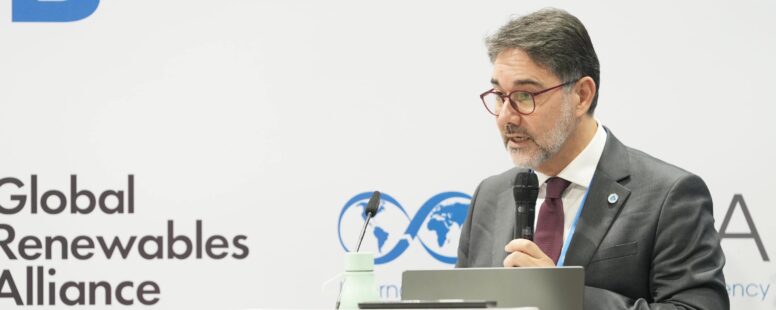
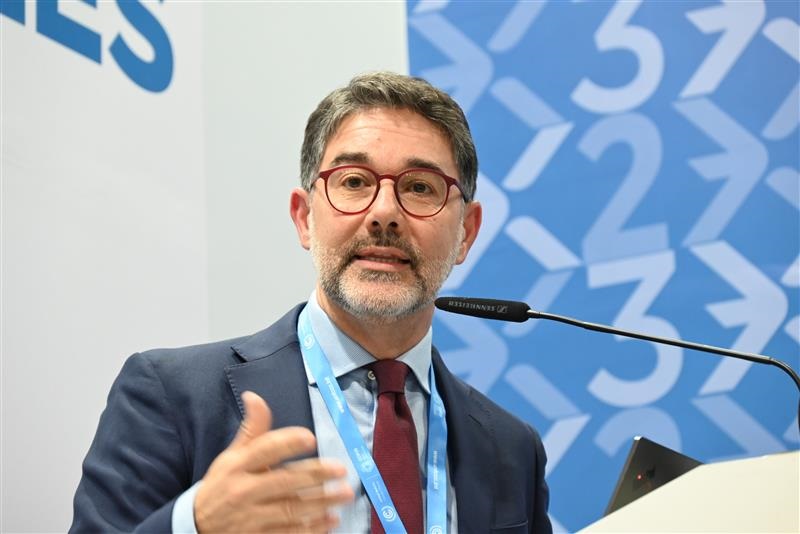
ASCAME recently joined the Mediterranean Dialogue on Sustainable Energy and Climate (MEDSEC) initiative, the first Mediterranean-led platform dedicated to multistakeholders cooperation and climate diplomacy for sustainable development through renewable energy in the region. By working with all the MED countries, MEDSEC aims at promoting a regional approach to a just energy transition and contributing to the global target of tripling renewable energy capacity by 2030. This initiative has been launched by ASCAME’s partner Greening The Islands Foundation (GTI), partner in the Interreg EuroMed Programme’s D4T Project, which supports the sustainability and self-sufficiency of islands worldwide by promoting innovative solutions and nexus-smart projects, and strengthening multistakeholder cooperation. In the following interview, Mr. Gianni Chianetta, Chair of GTI and Co-Founder & Head of Secretariat of MEDSEC, gives us more details about this initiative and its contribution to the energy transition in the Mediterranean. Mr. Chianetta also refers to the key role of ASCAME in achieving the sustainable goals in the region in the coming years.
Climate change is severely affecting islands on a global scale. What are the most important actions that should be taken to face the new climate challenges in the Mediterranean islands?
Climate change disproportionally affects small islands around the world, despite they contribute less than 1% to total greenhouse gas emissions, and it compounds their structural vulnerabilities, such as geographical isolation, limited market size, dependence on fossil fuel, reliance on water and food import. According to the IPCC, the Mediterranean region is warming faster than the global average with temperatures already above the target threshold of 1.5°C above pre-industrial levels. Consequently, highly interconnected effects such as heat waves, droughts, wildfires, desertification, sea warming and acidification, are worsening.
To face this challenge, we need to accelerate the energy transition because energy is the only sector that can decarbonize all the industrial sectors. Small islands’ energy strategies need to consider the progressive electrification of other sectors via the powerful renewable energy nexus with water, energy, food, mobility, and more. Decentralized renewable energy can also help mitigate the impacts of extreme weather events. In this sense, multifaceted actions are required, such as developing enabling policy and regulatory frameworks, upgrading infrastructure, improving finance mechanisms, promoting innovative business models, and supporting behavioural changes of both residents and visitors.
Aiming to overcome these challenges, Greening the Islands Foundation promotes the sustainable transition of islands and its replicability on the mainland. Could you give us some examples of your work in the Mediterranean region?
The Greening the Islands Observatory has operated in many islands across the Mediterranean: the Eolian Islands and other minor Italian islands, Malta and Gozo; Elafonisos, Chalki and other Greek islands; the Croatian island of Cres; the Tunisian island of Kerkennah, and more. Over the years, we have organized conferences and technical meetings on islands in the region, and we have also applied our Global Index to some of them to assess and monitor their sustainability and offer recommendations to improve it. The Greek Island of Chios, as we recently announced at COP29, became the first Mediterranean island to join our 100% RES Islands Initiative, which will place it on a pathway to becoming a green model in the region. Our island case studies demonstrate the technical and economic feasibility of transitioning to 100% renewables. Such a transition is not only bound to the energy sector, but broadly, it is paramount for economy-wide decarbonization and revitalization through job creation, reduction of costs, empowerment of local value chains, and circularity. We need to overcome the main barrier: access to finance. Something that we stress in our methodology, is the early involvement of local actors and the private sector, as they will ultimately have to be the true “makers” of their island’s transition.
The Mediterranean region is warming faster than the global average with temperatures already above the target threshold of 1.5°C above pre-industrial levels. Consequently, highly interconnected effects such as heat waves, droughts, wildfires, desertification, sea warming and acidification, are worsening
In what sense do islands play a key role in the transition to a sustainable world?
Small islands have very peculiar characteristics that make them subject to problems related to water scarcity, food supply, energy security, waste management, infrastructure integrity, extreme weather events, etc. These issues also impact big cities and represent the very core of the circular economy subject. Small islands’ motivation is strong, as they need to lower costs and develop more sustainable tourism. Besides, with a smaller scale and on a relatively lower investment, results are more immediately visible. Thus, they are ideal laboratories to test circular solutions that can be replicated and solve problems on the mainland.
Let’s talk about your participation in relevant governance projects aimed at enhancing sustainability in the Mediterranean region. GTI is a partner in the Interreg Euro-MED D4T Project. What kind of sustainable tourism initiatives are you implementing through the D4T project in the Mediterranean islands?
GTI serves as a catalyst in the relationships between governments, business, academia, and citizens, and fosters best practices and knowledge sharing. GTI contributes to the Dialogue4Tourism Project with experience in connecting the needs of islands with creative solutions, enabling projects for the sustainable transition of islands and their replication on the mainland. The GTI Observatory works to give continuity to scientific exchanges, and to support the origination of projects through task forces and reports, to promote public-private collaboration, develop policy recommendations, identify financing opportunities, creating coalitions for tenders, while engaging all relevant stakeholders. This expertise is key for the expansion of the Med Network of Sustainable Tourism Observatories (NSTO) by Dialogue4Tourism Project. The GTI Global Index is an accurate tool to assess and monitor islands progress towards sustainability. The index includes a set of indicators (energy, water, Mobility, waste, Environment and soon Agriculture, Air quality), where the whole Index might be extended and evaluate the tourism sustainability.
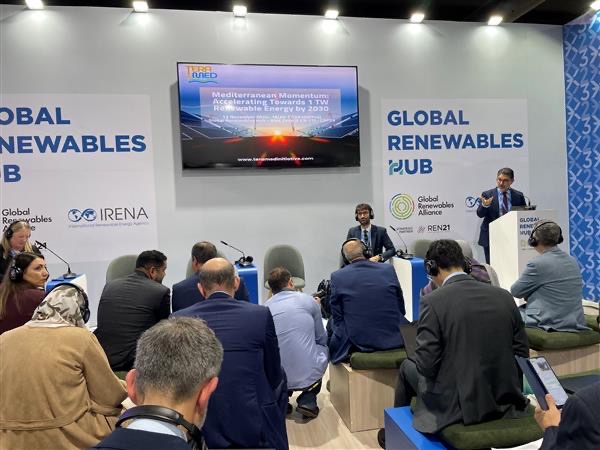
ASCAME is one of the partners of the MEDSEC (Mediterranean Dialogue on Sustainable Energy and Climate) call to action developed to support the TeraMED Initiative, which promotes a regional target of 1 Terawatt renewable energy capacity in the Mediterranean by 2030. Could you explain what MEDSEC is and what are the key actions that can advance the region towards that target?
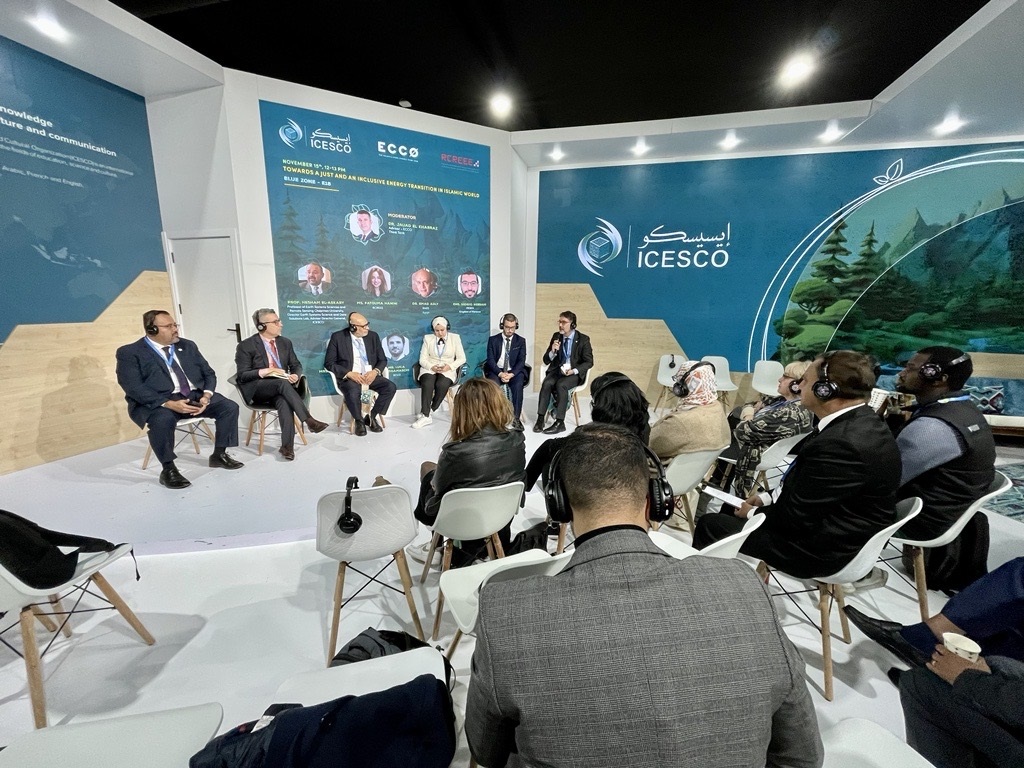
MEDSEC is the first platform for multistakeholder dialogue on energy and climate in the Mediterranean, born from the Union for the Mediterranean (UfM), the Regional Center for Renewable Energy and Energy Efficiency (RCREEE), and Greening the Islands Foundation (managing MEDSEC Secretariat), because we wanted to make sure all key parties are included and considered. Indeed, this is the same approach GTI Foundation adopts with islands. TeraMED builds on a vision of the Mediterranean as a model to turn the global ambition expressed in the global tripling renewables goal set at COP28 into reality through the development of a common and just strategy for the long-term stability, security, and growth of the region. To support the initiative and catalyse the ambition, MEDSEC has launched an open letter with the support of several regional and global stakeholders, to call Mediterranean governments to action across some key enabling priorities. In particular, to reach the common goal it is important that government establish ambitious national renewable energy targets, enhance climate cooperation and diplomacy, design and adopt enabling policies and regulations, expand and modernise grid infrastructure, improve market conditions and financing mechanisms, and engage local stakeholders. We brought the call to action to COP29 where we presented it to several governments and only received support and participation.
Small islands have very peculiar characteristics that make them subject to problems related to water scarcity, food supply, energy security, waste management, infrastructure integrity, extreme weather events, etc. These issues also impact big cities and represent the very core of the circular economy subject
Entering 2025, what actions are you going to take to involve the private sector in this initiative? What could be the role of ASCAME?
We are committed to involving the local private sectors of all Mediterranean countries in the discussion with all the other relevant actors to ensure that the local socio-economic development remain a key priority in the initiative. It is difficult to have many players, and for this reason we need to engage representatives from different categories. Having an organization as ASCAME on board, which can represent all the local industries, simplify very much the challenge and allows for effective involvement of companies around the region. ASCAME can bring the point of view of the local industry in the dialogue and can also stimulate the local governments to take actions on the points of the open letter. Our goal for the next year is to deep-dive each ask of the open letter in dedicated meetings with the key stakeholders involved.