
Events Ascame/ July 16, 2025/ Ascame members
As a committed member of ASCAME, the Sfax Chamber of Commerce and Industry plays a pivotal role in fostering regional economic development. Located in Sfax, in the heart of central-eastern Tunisia, the Chamber benefits from a strategic geographical position that bridges the country’s central and southern regions. The CCI is deeply engaged in supporting local businesses by streamlining commercial operations, promoting investment, encouraging innovation, and expanding export opportunities. It also serves as a vital connector between economic stakeholders and public institutions.
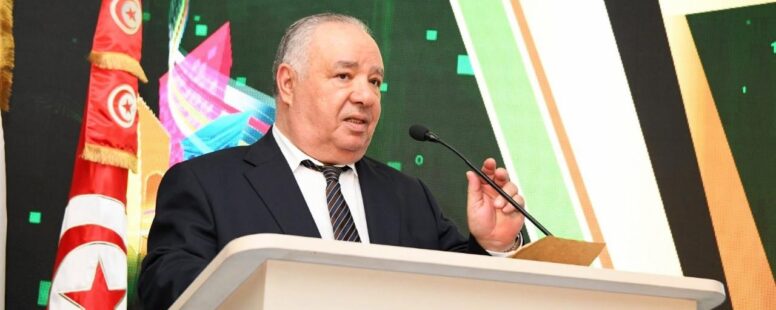
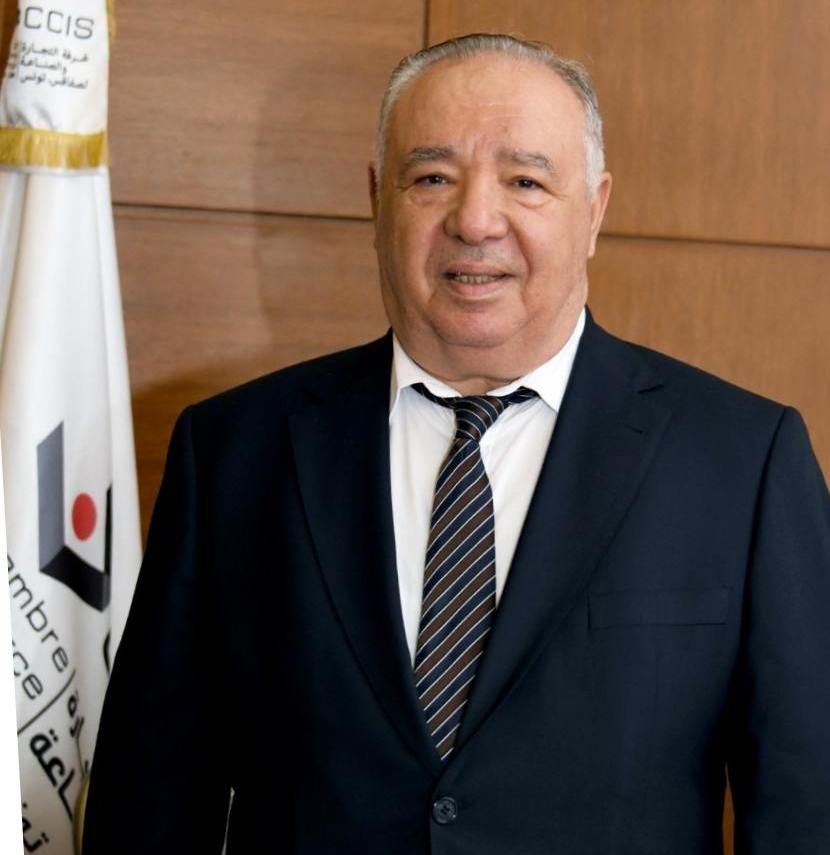
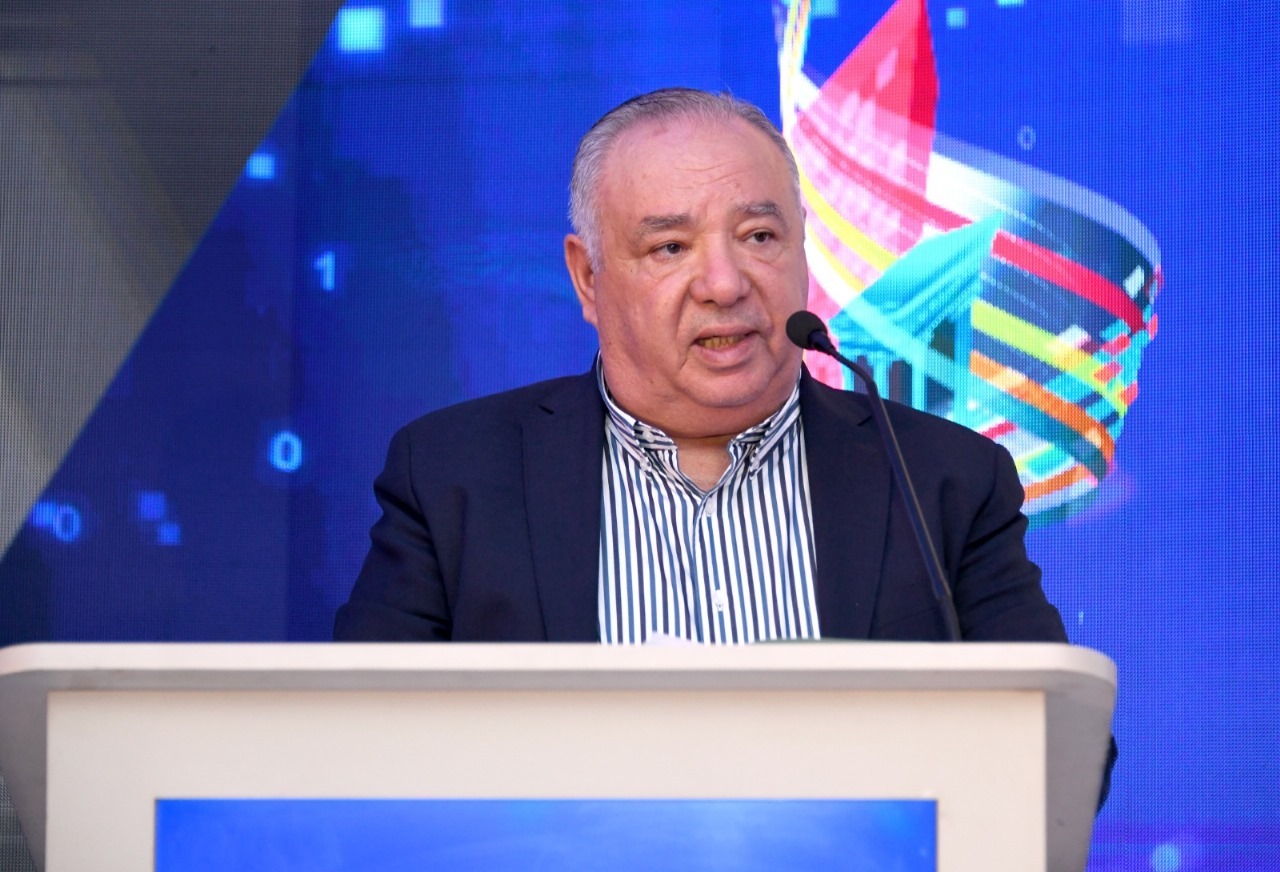
In the interview below, Mr. Habib Hammami, President of the Chamber, underscores its strategic contribution to Mediterranean cooperation and regional growth. He highlights flagship initiatives such as MEDIBAT 2025, held in Sfax, which showcased innovation in the construction sector and reinforced regional collaboration. Mr. Hammami also talks about the Chamber’s participation in MedaLogistics 2025, alongside the Piraeus Chamber of Commerce and Industry, emphasizsing the transformative potential of public-private partnerships in transport and logistics —key drivers of growth across the Mediterranean basin.
What is the main mission of the CCI of Sfax?
Our mission is to accompany and support regional economic development. It facilitates business procedures, promotes investment, innovation, and exports, and acts as a link between economic players and public institutions. Its activities include supporting businesses, issuing official documents, organizing events, and promoting international cooperation.
What are the needs, requests and concerns most frequently expressed by your members? What are the main challenges facing local businesses, and what solutions does the Chamber offer?
Members express the need for better access to financing, simplification of administrative formalities, support towards digitalisation, and greater openness to international markets. The main challenges are the complexity of export procedures, foreign competition and lack of international visibility. The Chamber supports companies by organizing economic missions, taking part in trade shows, putting them in touch with foreign partners and providing specialized training.
How does the Chamber contribute to promoting entrepreneurship, investment and innovation in the region?
Our Chamber creates a favorable environment by facilitating economic exchanges and promoting local opportunities. It provides indirect support for business start-ups via the regional network, supports young entrepreneurs through networking events and facilitates access to foreign markets to stimulate investment and innovation.
Is Sfax one of Tunisia’s most dynamic industrial and commercial hubs? What are the key factors behind this success?
Absolutely. Sfax boasts a diversified economic fabric, a well-structured private sector and recognized know-how, particularly in the agrifood, mechanical and chemical industries. The entrepreneurial spirit of its operators and a solid training network are specific features of Sfax, in addition to its strategic geographical position, with a major port and an opening onto Africa and the Mediterranean, which explains this dynamism.
Sfax boasts a diversified economic fabric, a well-structured private sector and recognized know-how, particularly in the agrifood, mechanical and chemical industries. The entrepreneurial spirit of its operators and a solid training network are specific features of Sfax, in addition to its strategic geographical position, with a major port and an opening onto Africa and the Mediterranean
Is Sfax’s economic growth still based primarily on the agri-food sector, or have you identified other high-potential sectors with an international vocation?
Agrifood remains a major pillar, but other sectors such as mechanical engineering, chemicals, logistics services and information technology are developing rapidly, strengthening economic diversification and export capabilities.
Can you tell us about any initiatives planned for this year, such as trade missions, training programs or other projects?
We’re continuing our international trade missions, hosting foreign delegations and organising B2B meetings. We also offer targeted training programs in international trade, digitalization and management. Recently, we organized the 18th edition of the MEDIBAT trade show, a flagship event for the construction industry, which highlighted innovations and created local and international business opportunities.
In your opinion, what were the main takeaways from the conferences and networking sessions at the last edition of MEDIBAT?
The show attracted almost 300 exhibitors and many foreign participants. The forums highlighted innovations in sustainable construction and public-private cooperation, as well as the need to adapt to climate change. For the first time in the show’s history, a Tunisian-Algerian-Libyan forum took place, offering real opportunities for professionals attending the event to participate in the reconstruction of Libya and major infrastructure projects on a Maghreb and African scale. The forum highlighted regional synergies, with a particular focus on the continental ZLECAF (African Continental Free Trade Area) agreement. Over 500 B2B and B2G meetings were held, fostering concrete partnerships.
To what extent did this event help strengthen economic and institutional ties between Tunisia and its African and Maghreb neighbors, particularly Libya and Algeria?
MEDIBAT played a key role in strengthening ties with our neighbors in the Maghreb. The Tunisian-Algerian-Libyan forum facilitated unprecedented dialogue, identified opportunities for cooperation, and initiated strategic agreements in the fields of infrastructure and housing.
Concerning the previous question, how did the idea of integrating the first Tunisian-Algerian-Libyan forum into MEDIBAT 2025 come about? What is your assessment of this event, and what were its main conclusions? Has a cooperation agreement or joint initiative been established between the three countries?
The idea was born out of a desire to strengthen cooperation in the face of common challenges in the construction sector. The forum enabled us to initiate joint projects and lay the foundations for a stronger regional partnership. Discussions are underway to formalize agreements in construction, training and technological research.
You mentioned that, in the face of uncertainty and the current economic situation, intra-regional cooperation is more necessary than ever. What is your roadmap for strengthening this cooperation, not only in Africa and the Maghreb, but throughout the Mediterranean basin?
Our strategy is based on the regular organisation of economic missions, the development of institutional partnerships, and the promotion of training and innovation. We want to involve all the players – SMEs and startups, research centers and vocational training courses – to build a competitive, sustainable and integrated regional economy.
What types of cooperation could the Sfax CCI and ASCAME explore in the future?
We plan to develop B2B digital platforms, strengthen commercial exchanges via trade fairs and missions, collaborate on innovative projects in renewable energy and sustainable technologies, and intensify professional training programs to strengthen regional skills.
Along with ASCAME we will develop B2B digital platforms, strengthen commercial exchanges via trade fairs and missions, collaborate on innovative projects in renewable energy and sustainable technologies, and intensify professional training programs to strengthen regional skills
How do you see the future of the Mediterranean? What strategic role could North Africa play in the region over the next few years?
The Mediterranean is a strategic crossroads with immense growth potential. North Africa, and in particular areas like Sfax, can become a major hub thanks to its infrastructure, dynamic economic fabric, geographical position and integration into the African Continental Free Trade Area. The region’s economic and demographic development makes it a key driver of Mediterranean-South-North cooperation, trade and innovation.
How would you assess your Chamber’s participation in MedaLogistics 2025, and what key outcomes or opportunities emerged from the event?
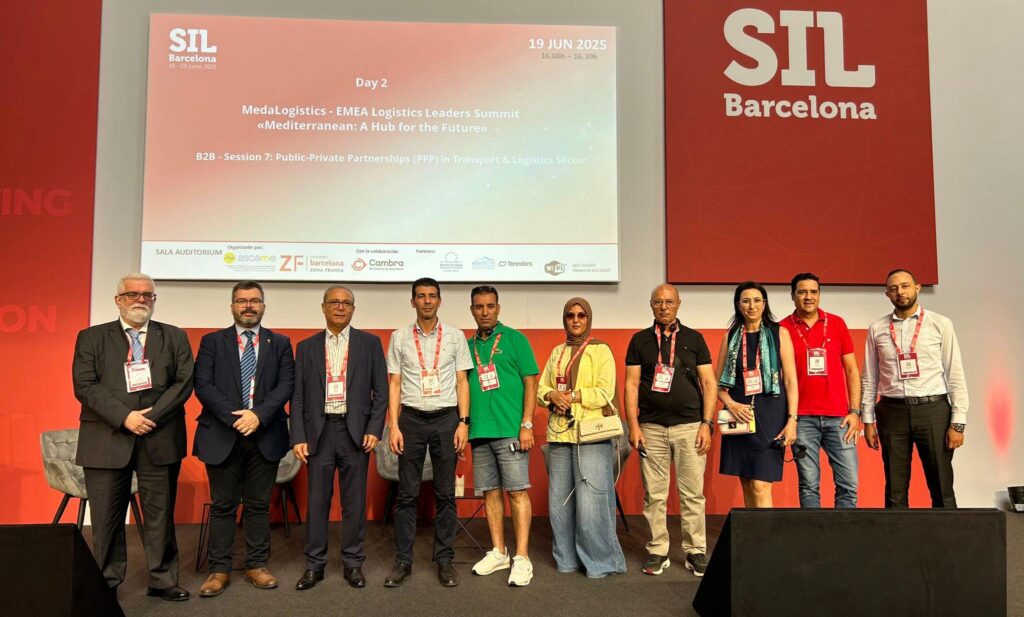
Our regular presence at SIL Barcelona and Medalogistics has strengthened our Mediterranean logistics and trade network. In MedaLogistics 2025, our companies consolidated partnerships, discovered technological innovations, and explored new opportunities, confirming Sfax as a key player in the Mediterranean logistics hub. Our participation in the session ‘Public-private partnerships in the transport and logistics sector’ with the Piraeus Chamber of Commerce and Industry highlighted the significant benefits of intra-regional cooperation and collaboration between the public and private sectors. The growing bilateral trade between Greece and Tunisia is a clear example of how regional cooperation can foster economic progress in multiple sectors. The partnership between the two Chambers fosters opportunities in logistics, notably via the port of Piraeus, a key hub in the Mediterranean. It also benefits tourism with the creation of tours combining Tunisia and Greece, and supports sustainable transition through joint projects in renewable energy and ecological management of port flows. Our main objective is to establish a regular and efficient maritime link between Piraeus and Sfax. Discussions are progressing between public and private players, with the hope of a competitive route in the medium term, facilitating trade, tourism and logistics optimization.
What impact do public-private partnerships (PPPs) have on the economic development of countries in the Mediterranean region?
Public-private partnerships play a decisive role in economic development, particularly in a region as strategic as the Mediterranean. These collaborations enable public and private sector resources, skills and expertise to be pooled, thus promoting large-scale infrastructure, service and innovation projects. For Mediterranean countries, PPPs facilitate the mobilisation of investments, often essential for modernizing key infrastructures such as ports, transport networks, energy or industrial zones. They also bring greater efficiency to project management and maintenance, thanks to the experience of the private sector. At regional level, PPPs strengthen economic integration by creating common trade platforms, shared logistics corridors and cross-border initiatives that boost trade flows and facilitate cooperation. They also enable us to respond collectively to common challenges, such as the energy transition, digitalisation and sustainable development. In short, public-private partnerships are a strategic lever for accelerating economic growth, improving competitiveness and strengthening regional cohesion in the Mediterranean, by creating an environment conducive to innovation, investment and employment.
Why is the Mediterranean today an interconnected space, not a border?
Faced with common challenges such as climate change and mobility, the Mediterranean is an area of economic and cultural convergence, not a border. This interconnection is essential for peace, prosperity and shared sustainable development in a complex global context.