
Events Ascame/ April 7, 2025/ Events, Featured
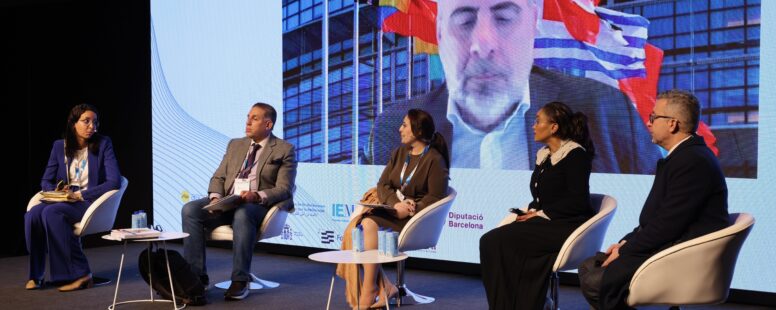
Within the ‘New Africa Business Development Forum’, held in the framework of MedaWeek 2024, Mediterranean economic leaders, investors, policymakers, and industry experts explored the multifaceted opportunities and challenges in Africa’s dynamic economic landscape. This forum emphasized the importance of tailored approaches to individual African countries, the need for robust infrastructure, and the potential of key sectors such as tourism, hospitality, and clean energy.
One of the main discussions revolved around the great opportunities in Africa’s clean energy potential sector, including solar, wind, and geothermal power. The African continent has great potential in natural resources, which remain one of the main pillars of its economy. However, many of these resources are not used in a sustainable manner, contributing to a high dependence on polluting energy sources and exploitation that does not yield the expected benefits for local economies. Africa also has the ideal climatic conditions for the use of solar, wind, hydroelectric and geothermal energy. These energy sources are key to achieving an energy transition that benefits both economies and the environment.
To successfully address this challenge, the panelists agreed on the need to train young Africans because, as Mr. Luca Jahier, Former President of the European Economic and Social Committee, pointed out, “Africans with higher education are migrating to other European countries in search of a better future”. In his opinion, “investing in young Africans would solve the current talent drain and ensure a successful and lasting sustainable transition”. In this regard, Ms. Habiba Laraki, Area Manager of Royal Air Maroc in Catalonia, Valencia, Aragon and the Balearic Islands, highlighted the crucial role that young people play in Africa’s future: “Africa’s population is clearly the youngest in the world with an average age of 19 years old. This new generation is committed into developing their respective countries and making an impact. Besides, they are very much connected and much more educated than the previous generations”.
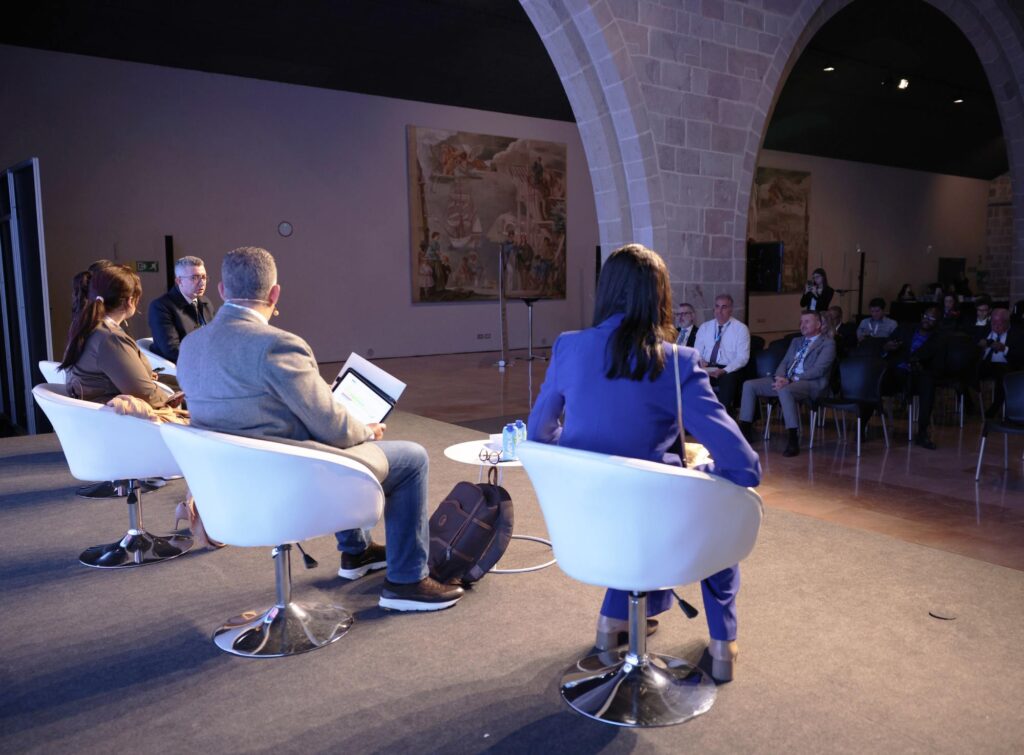
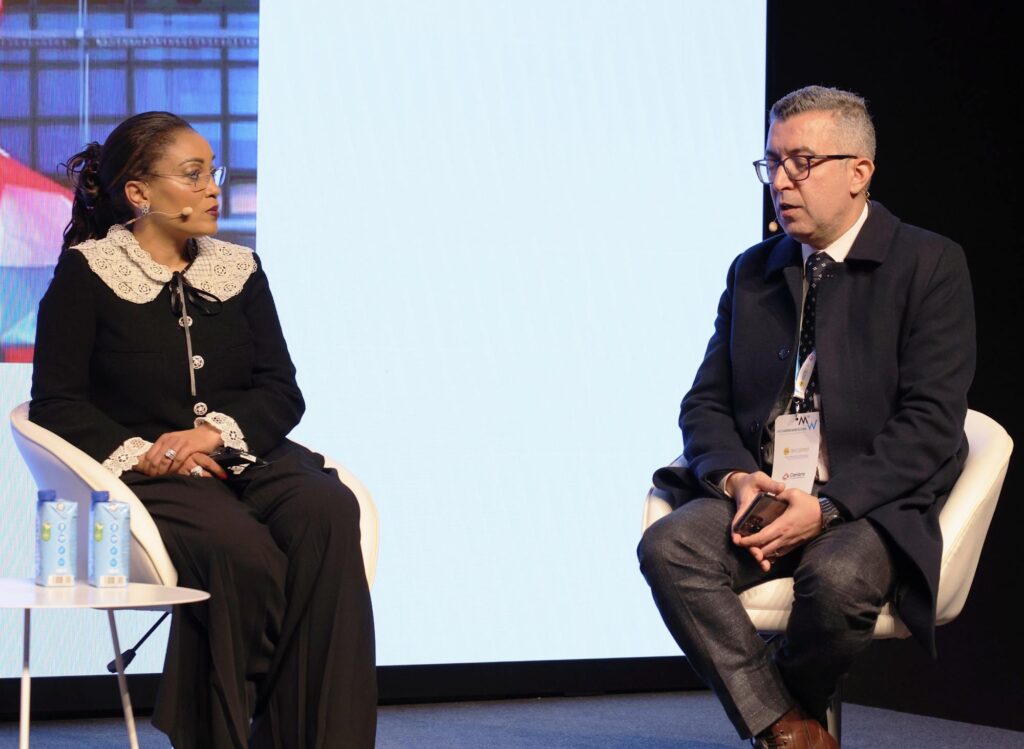
Panelists also emphasized the crucial role of the private sector in Africa’s energy transition. Local and foreign companies are entering into projects in the renewable energy sector, especially in solar energy and biofuels. But, as they pointed out, there is a need for an environment that is conducive to investment through incentives, a clear and well-defined regulatory framework that attracts foreign investors, and increased government support to help finance projects while ensuring that local communities benefit from these projects through job creation and improved quality of life.
The African continent has great potential in natural resources, which remain one of the main pillars of its economy. However, many of these resources are not used in a sustainable manner, contributing to a high dependence on polluting energy sources and exploitation that does not yield the expected benefits for local economies
This debate on clean energy and sustainable transition led to another interesting discussion on the need to foster public-private partnerships. For Mr. Luca Jahier, “intra-regional collaboration is the key to Africa’s future, both to solve common challenges across the continent, such as climate change, digitalization, mobility or migration, and to be less dependent on other markets and to finance infrastructure development across the continent, as the lack of infrastructure in African countries is an obstacle to their economic growth and development”. In this regard, Dr. Jauad El Kharraz, Senior Water-Energy-Climtae expert, stressed that “public-private partnerships will help improve energy infrastructure on the continent, accelerate the expansion of renewable energy on the continent and boost large energy projects and attract foreign investors”.
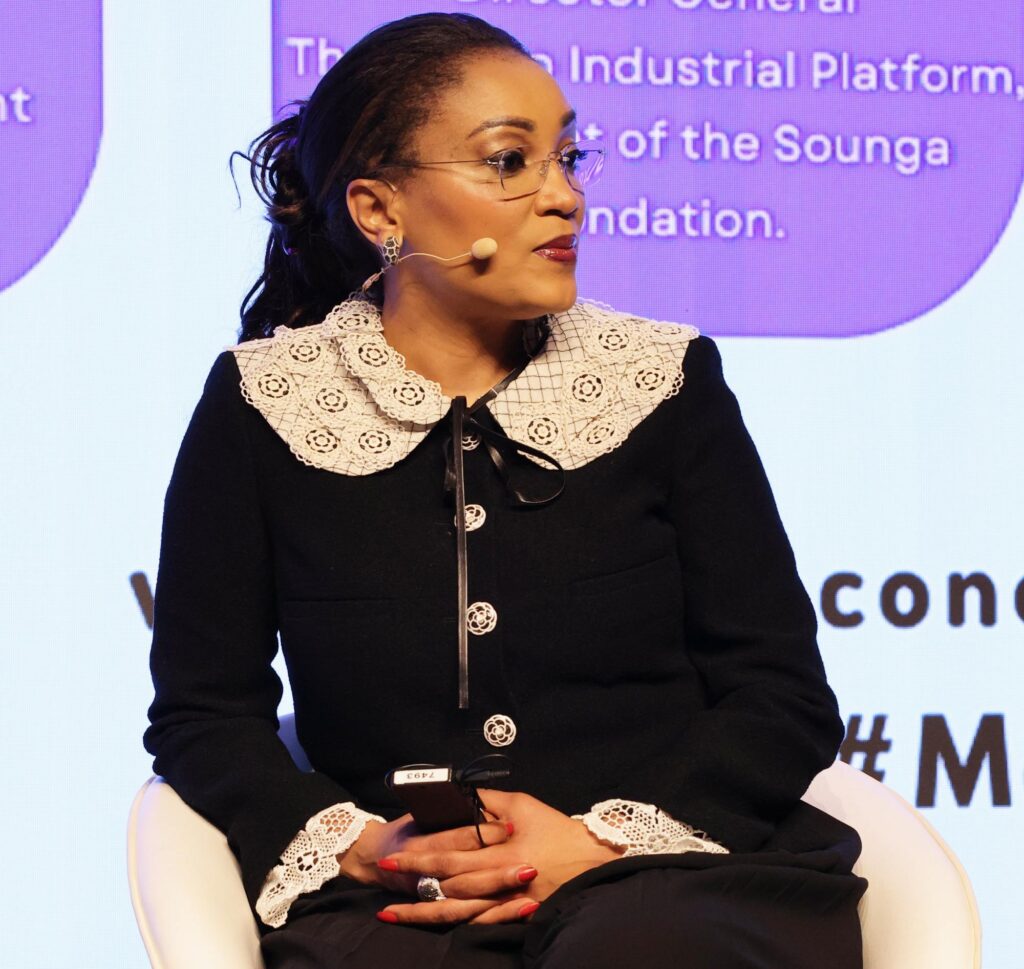
On the other hand, the ‘New Africa Business Development Forum’ also dived into the potential of African women entrepreneurs, who have emerged as a vital force for economic growth and innovation across the continent. According to the Global Entrepreneurship Monitor (GEM), Africa boasts the highest rate of female entrepreneurship globally, approximately 27%. In addition, according to the African Association of Entrepreneurs, approximately 30-40% of all entrepreneurs across the continent are women, with countries like Rwanda leading the charge at 61%. The World Bank highlights that nearly 50% of women entrepreneurs are engaged in informal enterprises, emphasizing the importance of creating policies that support formalization. In this regard, Ms. Danièle Sassou, Director General at The Congo Industrial Platform & President of Foundation Sounga, pointed out that “it is a must to empower African women by stimulating female entrepreneurship and providing women with access to training and microcredits to set up their own business”.
When talking about the future of Africa, panelists also referred to two more key topics. On one hand, the transformative potential of the tourism and the hospitality industry in Africa. This is one of Africa’s key economic drivers, bringing in billions of dollars in revenue from international and domestic travel each year. The industry is estimated to have contributed some US$168 billion to African economies in 2022, highlighting the important role the sector plays in terms of business opportunities and employment.
On the other hand, panelists talked about the African Continental Free Trade Area (AfCFTA), the world’s largest free trade area, bringing together the 55 countries of the African Union and 8 Regional Economic Communities (RECs) to create a single market for the continent. According to the ‘World Bank Group’, the pact connects 1.3 billion people across 55 countries with a combined gross domestic product (GDP) valued at $3.4 trillion. It has the potential to lift 30 million people out of extreme poverty, but achieving its full potential will depend on putting in place significant policy reforms and trade facilitation measures.