
Events Ascame/ February 27, 2025/ Ascame projects, Featured
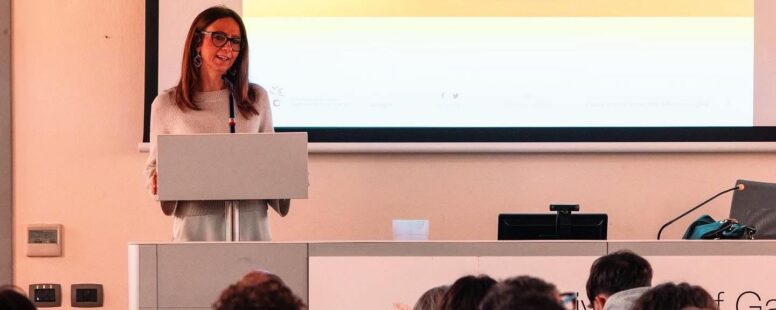
ASCAME is one of the partners of the STAPLES Project, a PRIMA Program project dedicated to enhancing the resilience of the Mediterranean and MENA (Middle East and North Africa) food systems in the face of global economic instability. The STAPLES Project came up with the aim at addressing issues related with the dependence of MENA countries on imported cereals and their consequent exposure to shocks from the value chain. These countries, especially Egypt and Morocco, are particularly exposed to international shocks in cereals markets because they largely rely on imports to feed their population. To face this challenge, the University of Gastronomic Sciences (UNISG) plays a pivotal role in strengthening local cereal value chains to improve food security and stability. We dived into these issues with Ms. Donatella Saccone, Assistant Professor of Economy Policy at the University of Gastronomic Sciences (UNISG). The following interview sheds light on UNISG’s contribution in the development of the STAPLES Project and in the food security advances in the Mediterranean region.
Could you give us more details about UNISG’s role in the STAPLES Project, and who comprises your team?
UNISG leads project activities aimed at developing innovative solutions and evidence-based recommendations for strengthening global food value chains. Specifically, we focus on resilience-enhancing trade policies collaborating in partnership with Politecnico di Milano, Euro-Mediterranean Economists Association, Economic Research Forum and ASCAME by mapping and promoting traditional rainfed cereals. I am an economist and expert in food security and food trade, and I coordinate the project multidisciplinary team composed by Prof. Andrea Pieroni, an ethnobotanist, whose role is mapping traditional rainfed cereals; Prof. Gabriele Proglio, a historian studying historical trade dynamics and crisis response strategies; Prof. Lorenzo Bairati, a legal expert, examining trade barriers between Europe and North Africa. Our work is further supported by the economist and Ph.D. in Economics Dina Moawad and Isaac Pérez Borda, a UNISG graduate specializing in Food Innovation and Management.
What are the main activities towards developing innovative solutions and evidence-based recommendations – Global Value Chain”?
The first set of activities “Resilience-enhancing trade policies” is directly led by UNISG in partnership with POLIMI, EMEA, ERF and ASCAME. Its main objective is the identification of resilience-enhancing trade policies reducing MENA dependency from non-Mediterranean countries considering macroeconomic, institutional and historical factors. At the macroeconomic level, an analysis of cereal trade data is carried out also focusing on trade policies of Mediterranean countries and on the corresponding trade partners. In addition, we identify and analyze the market attractiveness indicators for the Mediterranean countries and the corresponding trade partners.
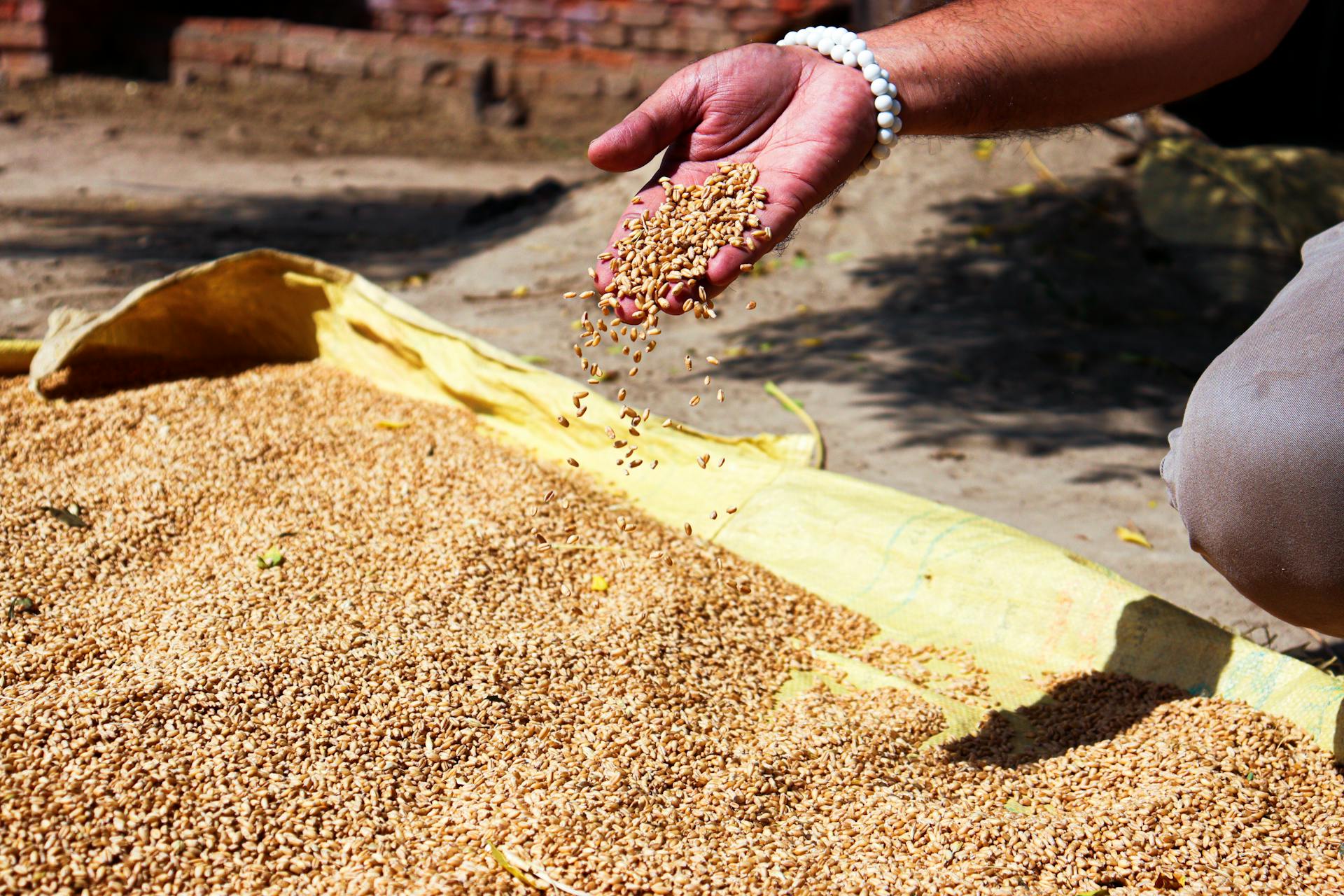
The analysis of institutional factors is instead based on a survey of primary sources and available international and European legal doctrine. For the historical and cultural factors, different sources are analyzed. On one hand, we have to talk about the archival sources, with the aim of mapping the sociopolitical factors in Egypt and Morocco since the end of the WWI. On the other hand, there are oral sources, collecting 180 semi-structured interviews in Egypt, Morocco, and Spain with the purpose of understanding the traditional strategies adopted in periods of food crises and the factors fostering or hindering trade relations with European actors.
We identify resilience-enhancing trade policies reducing MENA dependency from non-Mediterranean countries considering macroeconomic, institutional and historical factors. At the macroeconomic level, an analysis of cereal trade data is carried out also focusing on trade policies of Mediterranean countries and on the corresponding trade partners
Your research is supported by economists Ms. Dina Moawad and Mr. Isaac Enrique Pérez Laborda, whose investigation focuses on Food Innovation and Management. What are the key findings from their research?
Along with data analysis and literature review, they are conducting 180 interviews in Egypt, Morocco, and Spain with smallholders and key stakeholders across the three countries. These conversations help us identify how traditional knowledge can enhance food security and highlight obstacles in MENA’s trade with Europe. This understanding is crucial for developing strategies to reduce reliance on non-Mediterranean food imports and to stabilize local food availability. For instance, Mr. Isaac Enrique Pérez Laborda has recently an insightful meeting with the Seville Chamber of Commerce. It was a very productive meeting to explore how the STAPLES Project can impact on the Mediterranean cereal supply chains. The Chamber highlighted the necessity of timely and relevant data for both short-term decision-making and long-term policy formulation. Their willingness to actively engage with the project was very encouraging, by making sure to include and listen to all voices who are impacted by shocks in the global cereal supply chain.
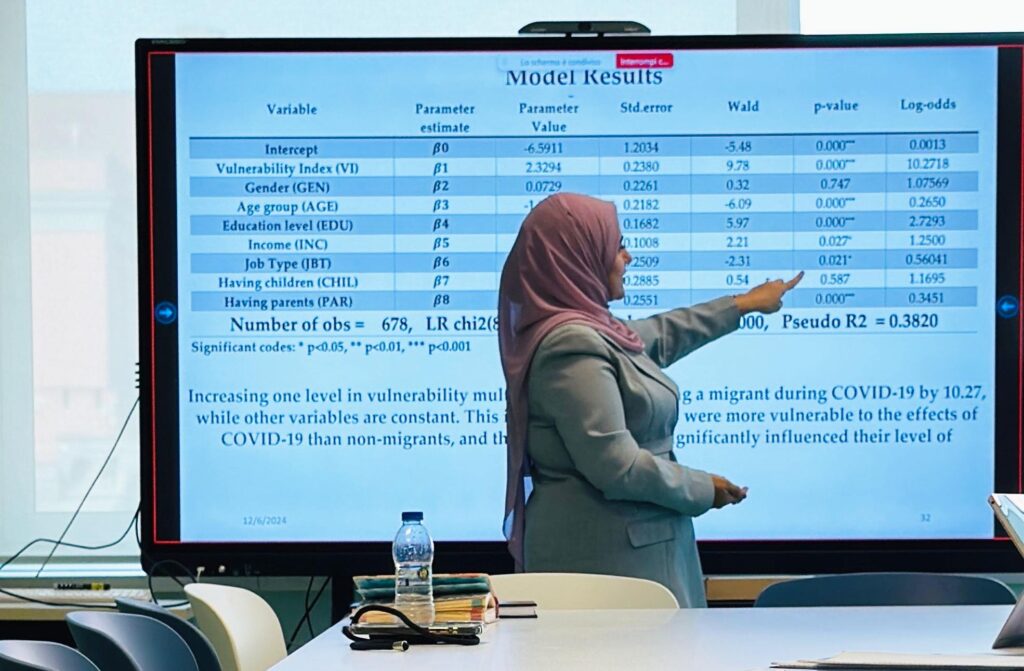
As we know, Ms. Dina Moawad recently visited Egypt and met with the project’s partner Confederation of Egyptian Business Associations (CEEBA). How is the collaboration progressing?
Within the meeting we discussed logistical arrangements, identified necessary government collaboration, and decided to conduct interviews directly in villages for greater efficiency. CEEBA’s support has been invaluable, assisting with organization, translation, and transcription. Given the bureaucratic complexities in MENA, having strong local partnerships is crucial to our success.
Our research is supported by economists who conducted 180 interviews in Egypt, Morocco, and Spain with smallholders and key stakeholders across the three countries. These conversations help us identify how traditional knowledge can enhance food security and highlight obstacles in MENA’s trade with Europe
UNISG is also leading the promotion of traditional rainfed cereals. What are the main advances in this field?
Together with ASCAME and CEEBA, we are mapping and promoting traditional rainfed cereals. This task involves expanding the Ark of Taste list and analyzing drought-resistant cereals in Morocco and Egypt and the social, economic, cultural and historical factors that are putting such crops at risk. Our primary objectives include mapping traditional cereals and their value chains in selected areas in Egypt and Morocco; assessing water-efficient cultivation methods through literature reviews and 120 farmer interviews; evaluating economic, cultural, and historical risks to these crops; and developing promotion strategies and hosting workshops to boost their role in local gastronomy.
Finally, we would like to ask you about UNISIG’s contribution to the “Understanding external stressors shocks” research. What were the main takeaways from this task?
The findings from our first work indicate that EU food exports to MENA are rising due to global trade disruptions in global value chains. This will directly inform our macroeconomic analysis, focusing on trade policies and market attractiveness indicators. By understanding these trends, we can foster stable, resilient trade relationships between Mediterranean countries and improve food security in the region. The STAPLES Project is making significant steps in strengthening food trade resilience in the MENA countries. UNISG’s leadership in mapping traditional cereals and analyzing trade policies is essential in developing long-term solutions for food security and sustainable agriculture. With continued research, stakeholder collaboration, and policy recommendations, STAPLES is paving the way for a more resilient food system in the Mediterranean.