
Events Ascame/ March 4, 2025/ Featured, Institutional
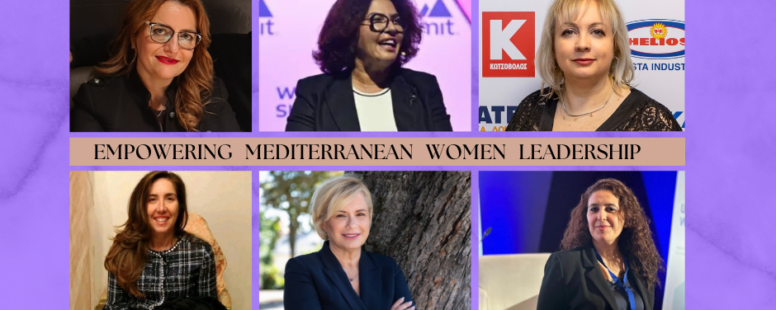
The International Women’s Day on March 8th marks a call to action for accelerating women’s equality. In the Mediterranean, businesswomen are driving a positive change and shaping de economic landscape in the region. For instance, in recent years women have become a force to be reckoned with on the start-up scene. One in three start-ups in the Mediterranean is founded or led by women, which is a higher percentage than in Silicon Valley. However, inequalities affecting Mediterranean women in the business sector have deep roots, ranging from cultural factors to insufficient support for women-led businesses, underrepresentation of women in top executive roles, the lack of policy frameworks to address the gender gap and the challenge of promoting work-family balance.
A recent study conducted by McKinsey Global Institute reveals that women could contribute up to $28 trillion to the global economic growth by 2025 if the barriers to their economic participation were eliminated. In Africa, statistics show that women represent about 49% of the population and, in certain regions, they are responsible for a growing share of new businesses and economic development.
According to Ms. Mirjana Cagalj, Vice-President of the Croatian Chamber of Economy, “addressing gender inequalities affecting women in the Mediterranean business sector requires a multifaceted approach that tackles social, economic, and legal barriers”. To her, “key recommendations to solve the current inequalities are policy and legal reform, equality access to finance and entrepreneurship support, and breaking cultural and societal barriers through regional cooperation”. To Mr. Anwar Zibaoui, ASCAME’s General Coordinator, “t has been shown that countries with a higher percentage of women entrepreneurs and women on company management committees have greater social inclusion, both in the business world and in the public sphere, resulting in greater economic growth” On the contrary, Mr. Zibaoui underlines that “the gender gap entails a loss of wealth of 10% of GDP in the most advanced economies and above 30% in the Mediterranean and Africa region”.
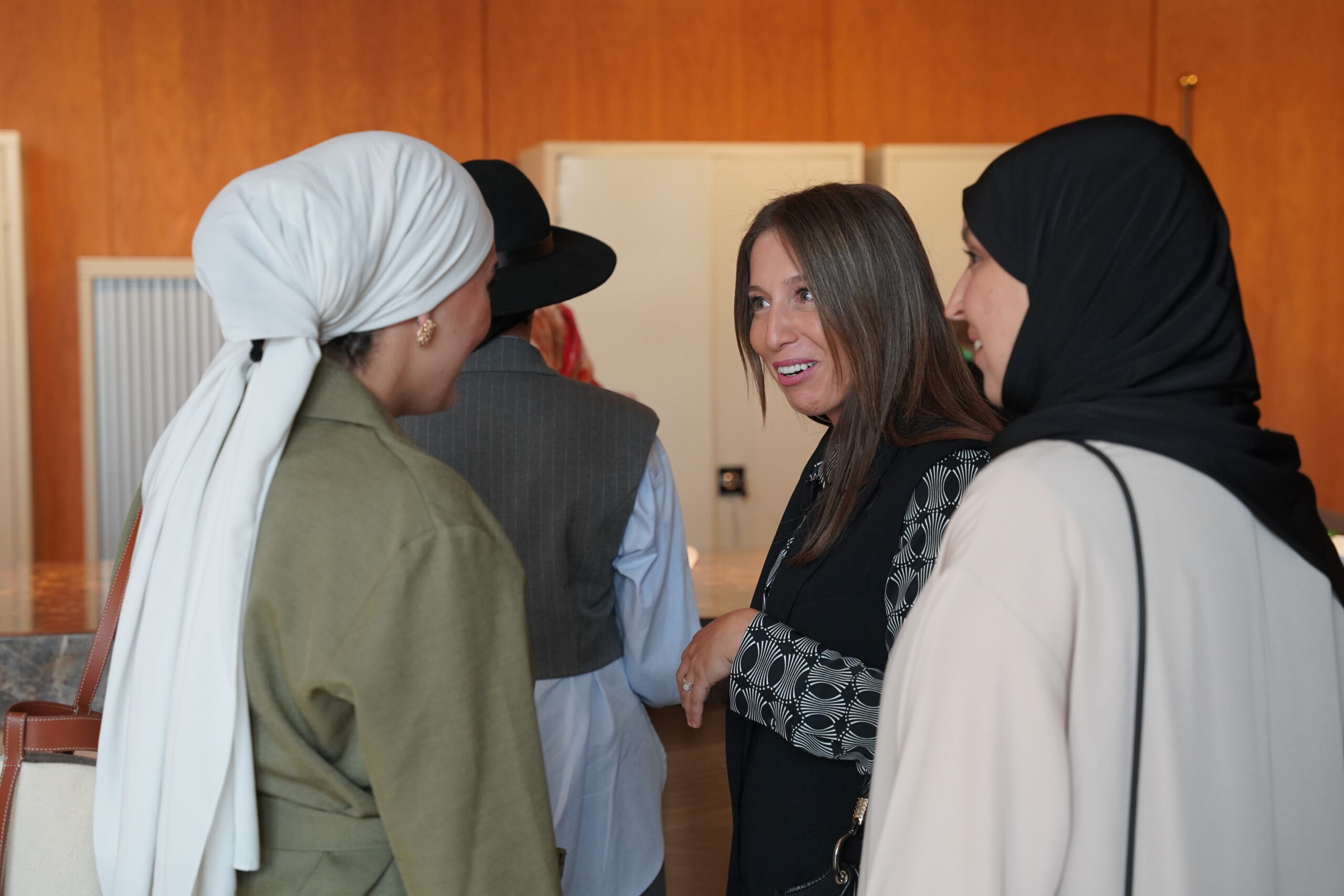
In this regard, Ms. Noha Shaker, Founder and Secretary General of the Egyptian Fintech Association -and elected Vice-President of both the Africa Fintech Network and the Union of Africa Fintech Associations-, stresses the question of accessing to finance as one of the main obstacles for women entrepreneurs: “One critical recommendation is the creation of financial policies that support women-ed businesses. This includes ensuring equal access to credit and loans, as women entrepreneurs in the Mediterranean face a significant financing gap. The International Finance Corporation (IFC) estimates that women-owned businesses in the MENA region face a $1.7 trillion financing gap. It is also essential to strengthen training programs focused on entrepreneurship and business management for women, regional collaboration is key to face the financing gap”.
To Professor Rym Ayadi, President and Founder of ASCAME’s partner Euro-Mediterranean Economists Association (EMEA), “the solution lies in investing in Brain Capital for women, which includes lifelong learning and upskilling to ensure women are equipped for leadership roles; policies that promote cognitive and mental well-being -helping women navigate workplace stress and burnout-; and AI and digital tools that facilitate work-life balance and remote work opportunities -increasing women’s participation in the labor market-. Ms. Ayadi adds: “By investing in Brain Capital we can enhance women’s leadership and innovation skills, breaking financial and structural barriers through AI-driven solutions, and building a Mediterranean brain economy that is inclusive, resilient, and knowledge-driven. The future of the Mediterranean depends on how effectively we integrate women’s Brain Capital into business and policy frameworks. We must commit to unlocking women’s full potential and shaping a more prosperous, sustainable, and inclusive Mediterranean economy”.
In the Mediterranean, businesswomen are driving a positive change and shaping de economic landscape in the region. One in three start-ups in the Mediterranean is founded or led by women. However, inequalities in the business sector have deep roots, such as insufficient support for women-led businesses, underrepresentation in top executive roles, and the lack of policy frameworks to address the gender gap
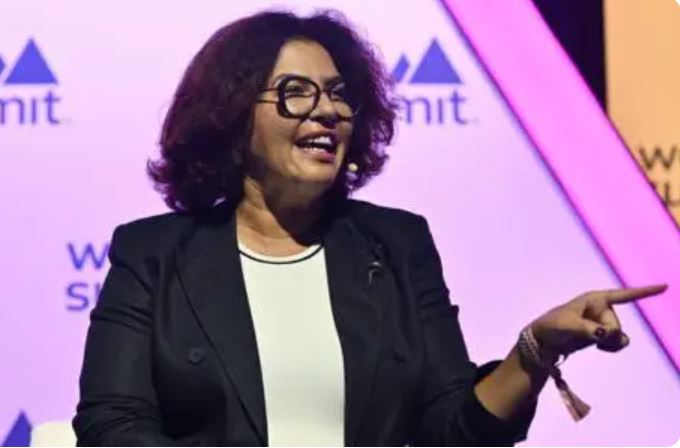
According to Ms. Noha Shaker, there are two more gaps to be solved urgently. On one hand, the underrepresentation of women in tech roles. According to the European Commission, only 30% of the workforce in IT and digital tech positions s female, with even fewer women in emerging roles like AI and Blockchain. To Ms. Shaker, “in the South Mediterranean, cultural norms often push women away from technical fields, and the lack of female role models exacerbates the issue”. In her opinion, “the underrepresentation of women in these fields can be addressed by promoting STEM education for girls from an early age and creating mentorship networks that encourage women to pursue careers in technology”. In addition, “companies can adopt policies that prioritize diversity in recruitment for tech positions, ensuring equal opportunities for women to enter emerging roles”.
On the other hand, to the Founder and Secretary General of the Egyptian Fintech Association, apart from technology, the green economic transition can play a crucial role in empowering women in the Mediterranean: “As the world shifts toward more sustainable business models, the green economy offers numerous opportunities for women in sectors like renewable energy, sustainable agriculture, and green finance. According to a report by the International Renewable Energy Agency (IRENA), women are significantly underrepresented in the energy sector, making up only 32% of the workforce globally, but this gap offers an opportunity for future growth. Investing in green sectors can create jobs and business opportunities for women, especially in the South Mediterranean, where employment opportunities for women are lower”.
In this context, Mr. Anwar Zibaoui calls on Mediterranean SMEs to break down walls and restrictions based on gender and cultural elements: “Companies must address inequality as one of the central aspects of meeting the SDGs and thus facilitate women’s access to the labor market and improve talent retention”. Mr. Zibaoui adds: “Women are breaking barriers and they are doing so by rewriting narratives, inspiring and helping other women, and forging their own legacy. Companies must promote innovation, access to the labor market and a better quality of life for women.”
Women’s inclusion in the North and South Mediterranean
Are there differences between the North and South of the Mediterranean talking about women’s inclusion at all levels? We asked this question to women representing different institutions in the Mediterranean and the answer was not unanimous. For instance, Ms. Lina Tsaltampasi, President of the Greek Association of Female Entrepreneurs and Vice-President of ASCAME’s member Association of Organisations of Mediterranean Businesswomen (AFAEMME), considers that “current challenges do not differ so much between both sides of the region: “Mediterranean North might have a better image on gender equality and women’s inclusion, but bottom down I do not believe that the actual status is equivalent to what is shown”.
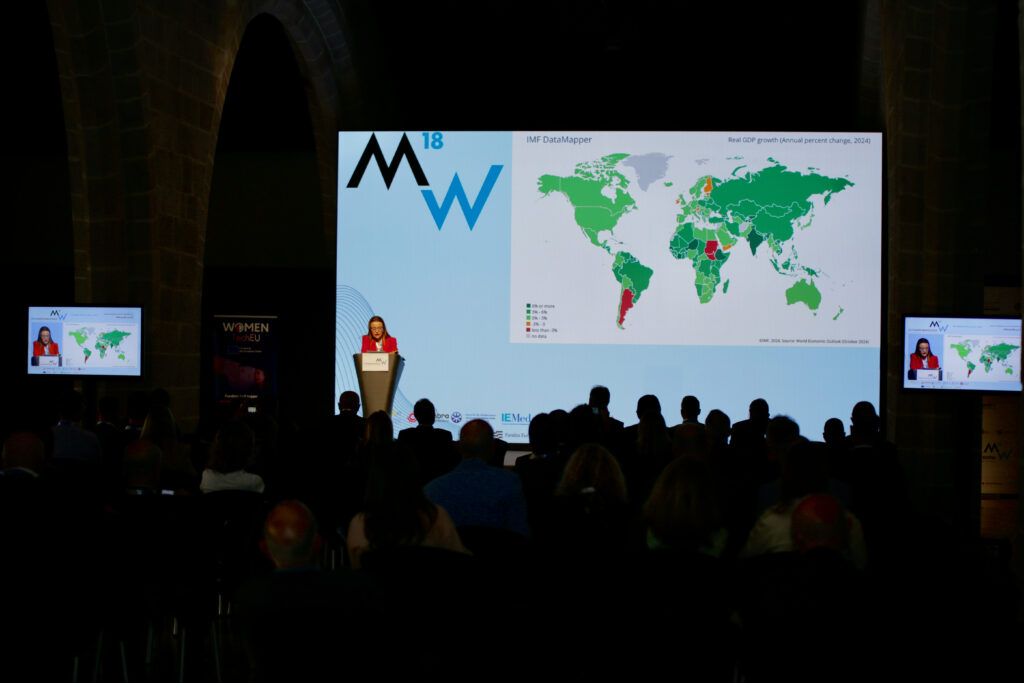
Ms. Tsaltampasi puts the example of Greece, “which is one of the 8 countries globally that has reached gender equality in legislative level”. She adds: “In the last 5 years, Greece has also done significant steps by supporting family care for female entrepreneurs, opening a dialogue in different levels, and promoting the acknowledgment of women in the public sphere”.
On the contrary, Ms. Loubna Karroum, CEO of Kardev & Fondatrice of AfricaMed Business Forum, underlines that “the differences between the North and South of the region in terms of gender gaps and representation in leadership positions are pronounced and reflect distinct socio-economic, cultural and political contexts”. Ms. Karroum highlights different reports which confirm these differences. For instance, some reports from the United Nations Development Programme (UNDP) show that the literacy rate for women in the North Mediterranean countries, such as France, Spain, and Italy, is around 99%, facilitating their access to education and, consequently, to opportunities in the labor market. In contrast, Southern countries have lower literacy rates, approximately 66% for women in Egypt and 73% in Morocco, “limiting their capacity to access quality employment”.
Women's participation in the workforce is significantly higher in Northern Mediterranean. For example, in Spain, the female employment rate is nearly 60%, whereas in Tunisia it does not exceed 26%. In addition, Northern Mediterranean countries exhibit a higher proportion of women in leadership roles due to having more robust laws promoting gender equality
In the labor market context, data show that women’s participation in the workforce is significantly higher in Northern countries. For example, in Spain, the female employment rate is nearly 60%, whereas in Tunisia it does not exceed 26%. “This can be partly attributed to supportive policies for work-life balance, such as parental leave and better access to childcare”.
Regarding representation in leadership positions, Northern Mediterranean countries exhibit a higher proportion of women in leadership roles. According to the report by the European Institute for Gender Equality, about 36% of leadership positions in the public sector in Sweden are held by women, whereas in countries like Morocco this figure is much lower, reaching only 14%. In addition, concerning the legislative framework, Northern countries have more robust laws promoting gender equality. For example, “Sweden has implemented strict laws against workplace discrimination, while in many Southern countries although laws exist, their enforcement is often inadequate”.
To Ms. Karroum, “while efforts are being made on both sides of the Mediterranean to reduce the gender gap, the realities remain very different”. She adds: “The North stands out due to tangible progress in education, representation, and legislative support, while de South continues to face structural challenges that hinder women’s empowerment”.
In the same line, Ms. Rym Ayadi points out that “the North Mediterranean countries, such as Spain, France or Italy, have seen improvements due to stronger institutional frameworks for gender equality, more progressive labor laws and gender quotas in leadership, greater investment in education and Brain Capital leading to higher women’s participation in decision-making roles”. On the contrary, Ms. Ayadi points out that “the South Mediterranean countries, such as Egypt, Morocco or Tunisia, face deeper challenges, including lower female labor force participation due to legal and cultural barriers, limited access to financial resources for women-led businesses, and underdeveloped cognitive skill-building programs, making it harder for women to break into leadership”. In her opinion, “to bridge this gap, Brain Capital investments, such as leadership training, digital education, and cognitive skills programs, can empower women across both sides of the Mediterranean”.
The Chambers of Commerce play a pivotal role in reducing discrimination and addressing gender inequality in the Mediterranean region. These institutions promote policies of gender equality, such as equal pay, non-discriminatory hiring practices and support for work-life balance
The key role of the Mediterranean Chambers of Commerce
The Chambers of Commerce play a pivotal role in reducing discrimination and addressing gender inequality in the Mediterranean region. These institutions promote policies of gender equality, such as equal pay, non-discriminatory hiring practices and support for work-life balance. To Ms. Marijana Cagalj, “by collaborating with governments and international organizations, they contribute to the creation of a legal framework that protects and empowers women in the business environment”. In addition, “Chambers of Commerce facilitate networking for women entrepreneurs and professionals with industry leaders, potential partners and investors”. In her opinion, “they ensure that women are represented in business decision-making processes and foster a culture of equality in the business sector”.
In this regard, Ms. Loubna Karroum focuses on the chambers’ commitment to organizing events and workshops on female leadership, “which serve as platforms for inspiration and sharing best practices, apart from connecting women entrepreneurs with financial institutions to facilitate access to funding and also to overcome economic obstacles”. Furthermore, “by advocating for inclusive public policies and supporting research on the impact of inequalities, these institutions can significantly contribute to establishing a more equitable and inclusive entrepreneurial environment”.
Mediterranean inclusive initiatives
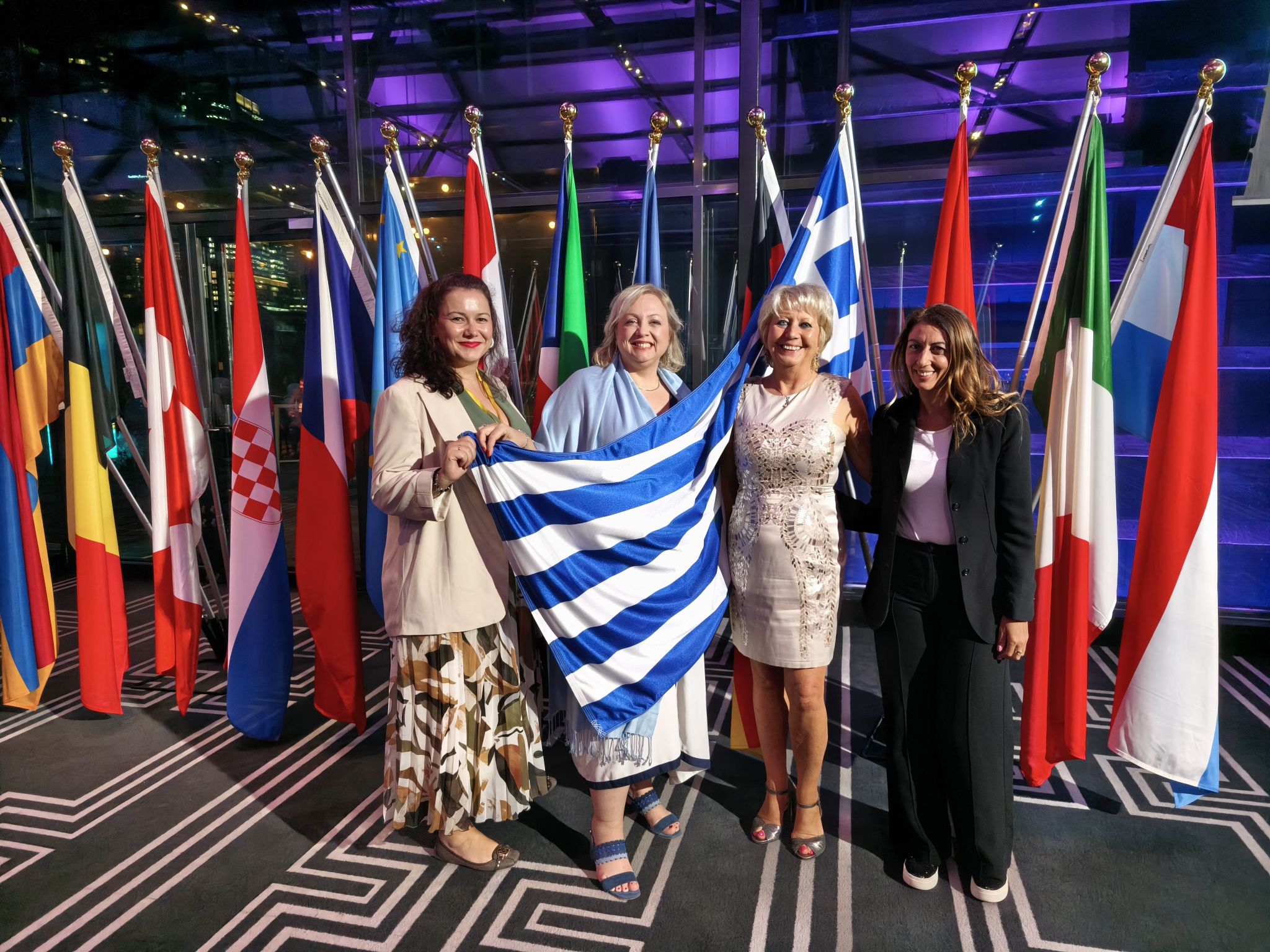
Despite all the obstacles that are still needed to overcome in terms of gender equality and women’s inclusion, in the Mediterranean there are lots of examples and initiatives that are shaping the region into a more inclusive one. Proof of this is the WenCoop Energy Cooperative, which has become the first energy community for women entrepreneurs in Greece and Europe. This initiative was launched in 2021 by the Greek Association of Women Entrepreneurs and aims to include more women in the energy sector. “By providing education, training, empowerment sessions, and access to finance, WEnCoop supports SMEs and start-ups in entering the Green Economy Era”, points out Ms. Lina Tsaltampasi.
Another example comes from the Croatian Chamber of Economy, which has implemented several inclusive initiatives that serve as exemplary models such as promotion of sustainable business practices, commitment to diversity and non-discrimination, education and training on sustainable development, and support for local economic development. To Ms. Marijana Cagajl, “these initiatives exemplify how Mediterranean Chambers of Commerce can lead in promoting inclusivity and sustainability”.
By focusing on best practices, a special mention should be the AfricaMed Business Forum, which contributed to a better inclusion of women at all levels. According to Ms. Loubna Karroum, “this is a dynamic platform dedicated to connecting African women entrepreneurs, investors, and international stakeholders from the Mediterranean and beyond whose main goal is to foster strategic partnerships and uncover new business opportunities that transcend borders”. Ms. Karroum highlights “its impact on the creation of partnerships between women-led businesses and financial institutions and also enhancing the visibility of women in the entrepreneurial landscape and encouraging them to engage in economic growth initiatives”. Another similar initiative ins Womenpreneur Initiative, which supports women entrepreneurs in Belgium and the MENA region through a variety of innovative experiences, entrepreneurial activities, mentorship sessions, leadership programs, technology education, and networking events. Since its establishment in 2016, Womenpreneur has reached 19,000 women across different countries to drive visibility, social impact, and resources for women in the ecosystem and beyond.
Despite all the obstacles that are still needed to overcome in terms of gender equality and women’s inclusion, in the Mediterranean there are lots of examples and initiatives that are shaping the region into a more inclusive one. Some examples are the WenCoop Energy Cooperative, the inclusive initiatives launched by the Croatian Chamber of Economy, the AfricaMed Business Forum, the Womenpreneur Initiative, or European programes such as PRIMA Progam
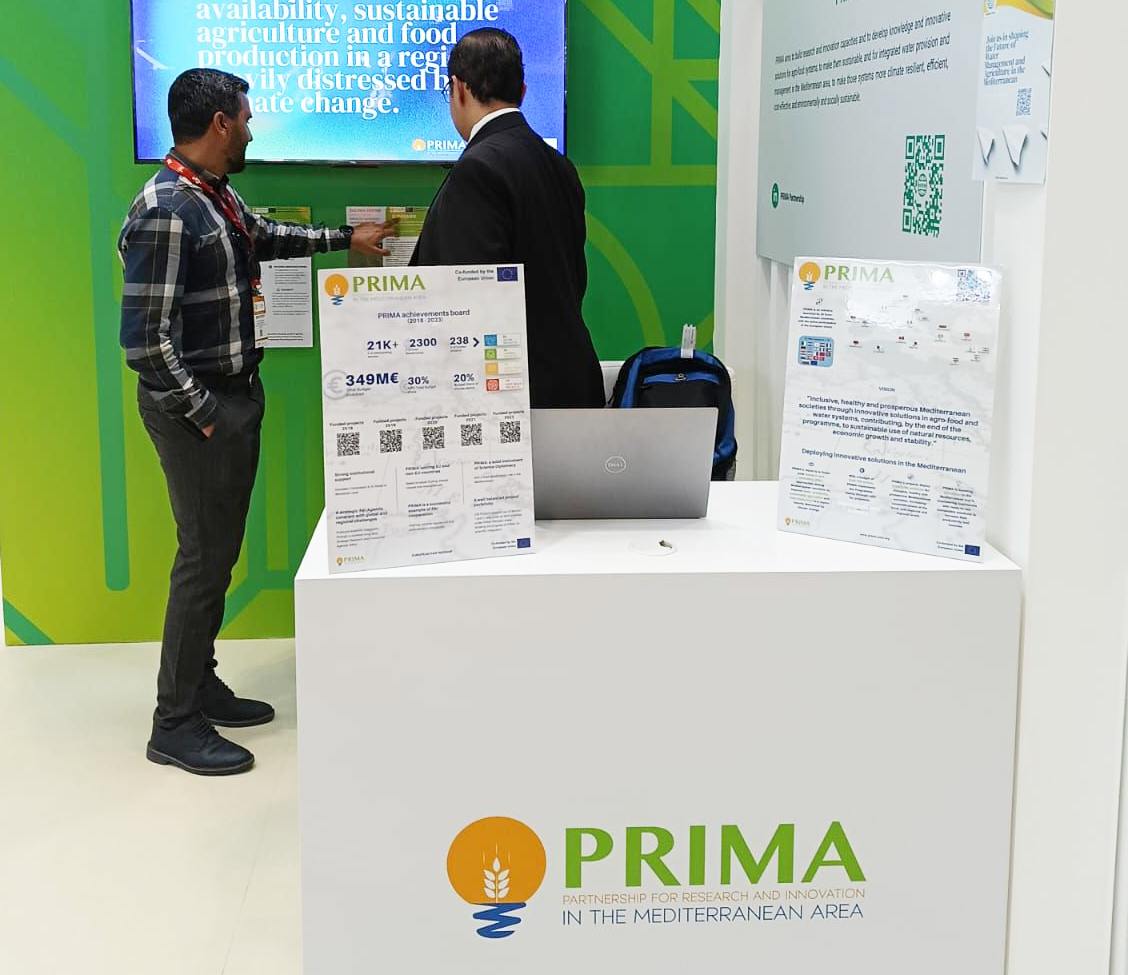
In addition, there are several European programs and initiatives in which ASCAME is a strategic partner that contribute to fostering sustainable development, economic resilience, and social inclusion. One of them is the PRIMA Program (Partnership for Research and Innovation in the Mediterranean Area), an EU program that aims to implement R+D+I actions that improve efficiency and sustainability of water agri-food systems in the region. According to Ms. Antonella Autino, Project Coordinator at PRIMA and FUTURE4PRIMA Coordinator, “central to this mission is the inclusion and leadership of women, ensuring their voices and perspectives shape research and innovation agendas; reducing gender disparities in research and innovation is crucial for developing effective solutions”.
Beyond influencing research and innovation, PRIMA champions women’s economic empowerment by encouraging their participation in the labor market and supporting female entrepreneurship. “A notable example is the HALOFARMS Project, where a Tunisian woman launched a successful start-up producing halophyte seedings. Her enterprise highlights the market opportunities possible through women-led businesses”. Ms. Autino adds: “Apart from this, women-led NGOs are expanding cooperative networks and creating inclusive business models that uplift communities at the grassroots level”.