
Events Ascame/ May 13, 2025/ Ascame members, Featured
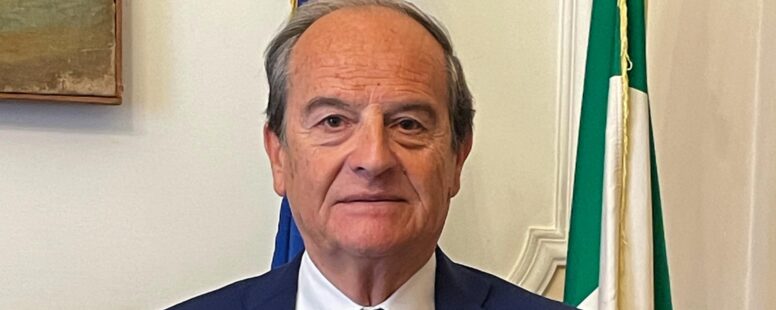
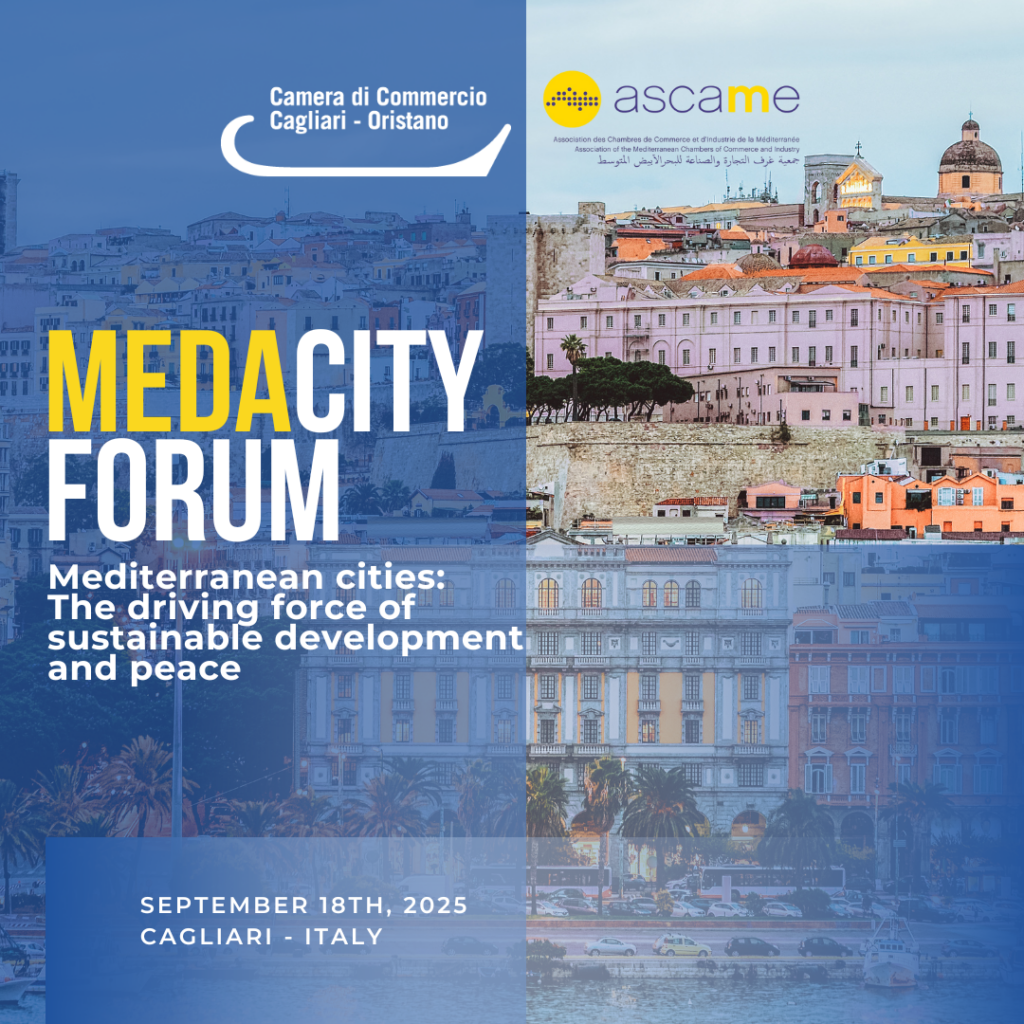
The city of Cagliari (Sardinia, Italy) will host on the 18th of September the MedaCity Forum 2025, co-organized by ASCAME and its member the Chamber of Commerce of Cagliari-Oristano. This upcoming forum will address the shared challenges of Mediterranean cities and create opportunities for economic cooperation. In the following interview, Mr. Maurizio de Pascale, President of this institution, talks about the Mediterranean cities as key drivers of sustainable, economic, and social development by serving as hubs of innovation, commerce, and community engagement. Mr. De Pascale also insists on the crucial role of the cities in building peaceful relations in the Mediterranean. In addition, the interview sheds light on other insightful topics such as the Chamber’s contribution to Sardinia’s economic growth -by promoting sustainable development, supporting local businesses, and fostering innovation-, the challenge of the blue economy and the digital transition, and the Chamber’s involvement in new infrastructures, such as the creation of a conference center for hosting international events.
What will be the focus of the upcoming MedaCity Forum 2025?
The MedaCity Forum 2025 will address the shared challenges of Mediterranean cities and create opportunities for economic cooperation. Key topics will include sustainable tourism development, housing technologies, climate change adaptation, sustainable urban mobility, and the social economy. The event will bring together public administrations, business organizations, and trade unions. A central theme will be the enhancement of the Mediterranean dimension, as cities in the region face many similar challenges. The forum represents a unique opportunity to find common solutions and promote peace and cooperation in the Mediterranean.
In what way have cities become a key driver of sustainable, economic, and social development?
Cities have become key drivers of sustainable, economic, and social development by serving as hubs of innovation, commerce, and community engagement. They generate employment, foster economic growth, and provide essential services that improve residents’ quality of life. Cities also play a crucial role in promoting sustainability through efficient resource management, green infrastructure, and policies aimed at reducing environmental impact. For example, Barcelona in Spain has implemented extensive urban planning initiatives to promote sustainable mobility and green spaces, with visible results for all visitors. Athens in Greece focuses on preserving historical sites while integrating modern sustainable practices. Valletta in Malta is known for its well-preserved medieval architecture and efforts to enhance urban sustainability. Outside Europe, Istanbul in Turkey, which spans two continents, serves as a cultural and economic bridge. Suez in Egypt, located at the crossroads of Africa and Asia, is a vital commercial hub thanks to the Suez Canal. These cities exemplify how urban centers can lead sustainable development while addressing the common challenges of Mediterranean cities.
According to your Chamber of Commerce, “cities and commerce play a crucial role in building peaceful relations in the Mediterranean”. Could you give us some examples of significant initiatives launched in our region?
Entrepreneurs and Chambers of Commerce have long believed in trade relations as a vehicle for peace. The founders of the International Chamber of Commerce (ICC) in Geneva in 1919, known as the “merchants of peace,” believed that trade could be a powerful force for peace and prosperity. This vision continues to inspire initiatives aimed at fostering peaceful relations in the Mediterranean. A significant example is the Florence Charter, signed in 2022, which brought together mayors and bishops from Mediterranean cities to promote peace, justice, and cooperation. The charter emphasizes the importance of intercultural and interreligious dialogue in addressing challenges such as climate change, migration, and social inequalities. In today’s context of war and instability in the Mediterranean —such as ongoing conflicts in the Middle East— these initiatives are more important than ever. They demonstrate how economic cooperation and dialogue can help mitigate tensions and foster a more peaceful and prosperous region.
In your opinion, what are the most urgent challenges faced by Mediterranean cities, and what innovative solutions do you propose to overcome them?
Mediterranean cities face urgent issues such as environmental degradation, climate change, rapid urbanization, and social inequalities. Pollution and waste management are major concerns, while rising temperatures and sea levels threaten urban infrastructure. Rapid population growth leads to housing shortages and strained resources, and economic disparities create social tensions. However, innovative solutions are emerging. Cities are investing in green infrastructure, renewable energy, and sustainable urban planning. Social inclusion programs and climate resilience initiatives are also key. By embracing these solutions, Mediterranean cities can become more sustainable, resilient, and inclusive, ensuring a better quality of life for their residents.
The upcoming MedaCity Forum 2025 will represent a unique opportunity to find common solutions and promote peace and cooperation in the Mediterranean. Key topics will include sustainable tourism development, housing technologies, climate change adaptation, sustainable urban mobility, and the social economy
What is the key role of your Chamber of Commerce in Sardinia’s economic growth? How has it contributed to increasing investment on the island, fostering public-private cooperation, and promoting entrepreneurship?
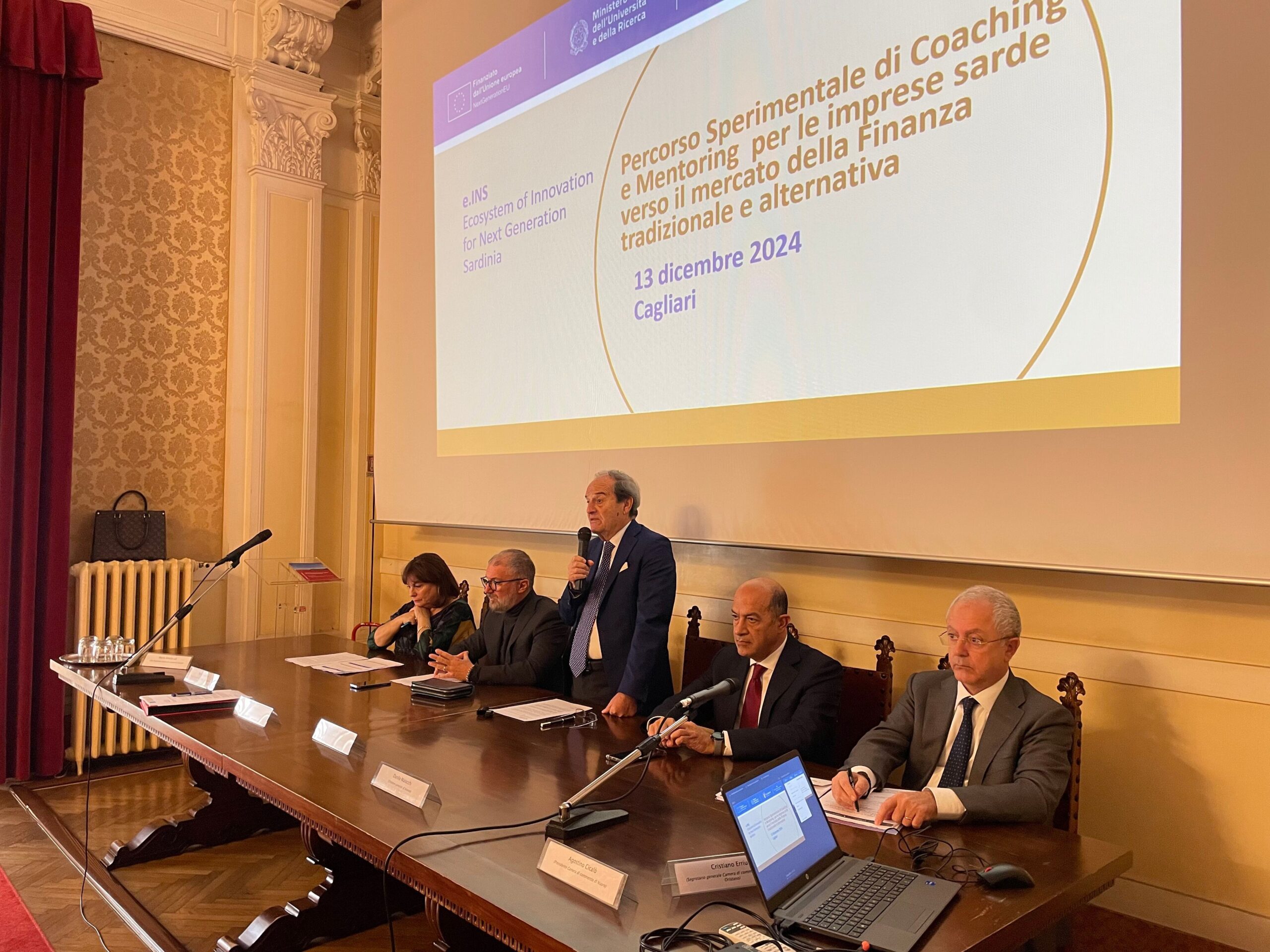
The Chamber of Commerce of Cagliari-Oristano plays a fundamental role in Sardinia’s economic growth by promoting sustainable development, supporting local businesses, and fostering innovation. Since its establishment in 2020, following the merger of the Cagliari and Oristano Chambers, it has focused on creating a favorable environment for investment and entrepreneurship. Proof of this is the number of initiatives implemented, such as the National Recovery and Resilience Plan (PNRR) and EU structural funds, which provide significant support to local businesses. To foster public-private cooperation, the Chamber facilitated partnerships for infrastructure development projects and vocational training programs. In promoting entrepreneurship, the Chamber offers a diverse range of services, including consulting, training, and networking opportunities. Our institution actively supports sectors like sustainable tourism, agri-food, and digital technologies, which are key to Sardinia’s economic landscape. Its efforts to promote female entrepreneurship through the Committee for Female Entrepreneurship further demonstrate its commitment to fostering a diverse and inclusive business environment.
What is the Chamber’s commitment to promoting the green-blue economy and the digital transition in Sardinia?
We support initiatives that combine environmental sustainability with economic growth, such as promoting eco-friendly itineraries and enhancing natural and cultural resources. Regarding the digital transition, we are part of a national network of Italian Chambers that assist businesses in adopting digital technologies. We offer a range of services, including seminars, training courses, and individual support, to help businesses embrace digital transformation. Our 2021–2026 strategic plan emphasizes innovation, technological development, and the enhancement of environmental and cultural heritage. By leveraging regional, national, and European financial instruments, we aim to create a more inclusive, sustainable, and technologically advanced economic model for Sardinia.
Tourism is a traditional strength of Sardinia’s local economy. Could you tell us about the initiatives your Chamber has launched to strengthen new markets, such as archaeological and cultural tourism?
The Centro Servizi Promozionali per le Imprese, a special agency of the Cagliari-Oristano Chamber of Commerce, is engaged in several project-based actions to enhance Sardinia’s cultural and tourism heritage. One of these initiatives is the creation of tourist itineraries that include highly significant archaeological and cultural sites. For example, routes have been developed to highlight UNESCO sites and other areas of historical and cultural interest. In addition, the Center promotes incoming tourism activities, qualification of the tourism supply chain, and territorial promotion projects. These initiatives aim to improve Sardinia’s attractiveness as a tourist destination, not only for its natural beauty but also for its rich historical heritage. These efforts align with the objectives of the National Chamber System’s Strategic Plan, which seeks to meet the needs of tourism sector businesses and promote sustainable and integrated territorial development.
The Chamber of Commerce of Cagliari-Oristano plays a fundamental role in Sardinia’s economic growth by promoting sustainable development, supporting local businesses, and fostering innovation. Since its establishment in 2020, the institution has focused on creating a favorable environment for investment and entrepreneurship
Regarding Sardinia’s infrastructure, what can you tell us about the creation of a conference center for hosting international events and the adaptation of the airport to sustainability and new technologies? What is your Chamber’s involvement in these projects?
The Cagliari-Oristano Chamber of Commerce is actively involved in improving Sardinia’s infrastructure to increase its appeal for international events and enhance sustainability. One of the main initiatives is an urban regeneration project that includes the creation of a modern conference center at the Cagliari Fairgrounds. This project aims to revitalize the area and provide state-of-the-art facilities for conferences and exhibitions, attracting international visitors and stimulating the local economy. Moreover, the Chamber has played a key role as majority shareholder in the adaptation of Cagliari Elmas Airport to sustainability and new technologies. The airport has implemented the innovative Fotonit system for sanitization, ensuring high hygiene standards and aligning with environmental sustainability goals. These projects reflect the Chamber’s strategic vision to support local economic growth by improving infrastructure, promoting sustainability, and leveraging new technologies.
Besides the MedaCity Forum 2025, what other initiatives are you planning to launch with ASCAME? What are the main goals and shared commitments between the two institutions?
Let me mention one. For over 15 years, the European Commission has brought together its neighborhood policies for the southern borders of Europe into a single program, managed by a regional authority—the Region of Sardinia. Through this program, the European Commission has invested around €400 million in cooperation projects between territories on both shores of the Mediterranean during the 2008–2013 and 2014–2020 programming periods, based on a program defined and governed by representatives of the participating countries. A new program, the Interreg NEXTMED, is now being launched, with an additional investment of €250 million. ASCAME has played a crucial role in implementing these programs. ASCAME has maintained an intense and ongoing dialogue with the Managing Authority and has facilitated awareness and participation in the calls for proposals among its members, thanks also to the support of the Cagliari-Oristano Chamber of Commerce, located in the same city as the Managing Authority. We therefore intend to continue this partnership with ASCAME to secure funding and implement new cooperation projects between Chambers on both shores of the Mediterranean.