
Events Ascame/ September 10, 2025/ Ascame members, Featured
The Ilia Chamber of Commerce, situated in the Western region of Greece, is a vital institution for promoting and supporting local entrepreneurship, economic development, and regional connectivity. This institution plays a vital role in representing the interests of Ilia businesses, including those in the most promising sectors, such as agribusiness, commerce, tourism, and manufacturing.
Over the years, the Chamber has become a strategic partner for local SMEs and entrepreneurs, supporting them in areas such as innovation, attracting investment, and policy advocacy. It acts as a trusted advisor to government agencies on economic and entrepreneurial issues, ensuring that the voice of the local business community is heard at both the regional and national levels. In line with its commitment to digital transformation and ecological transition, the Chamber actively encourages sustainable practices and technological progress among its members. It also contributes to the broader development of the region by supporting major infrastructure projects, such as the Patras-Pyrgos-Olympia highway and railway, and by promoting international trade through strategic partnerships, notably with the Hellenic-Italian Chamber of Commerce in Athens.
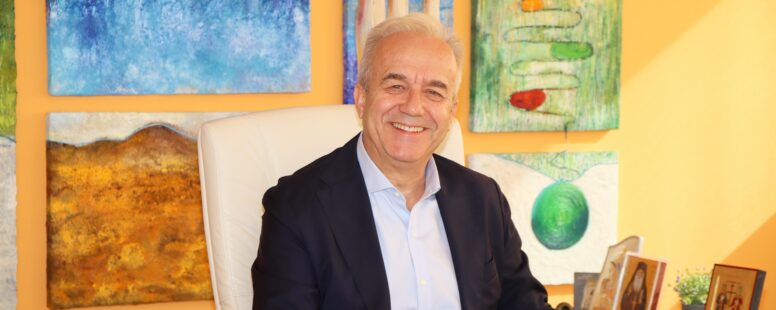
The Chamber’s international dimension is also evident in its participation in global events, such as ASCAME’s Mediterranean Pavilion in Canada or, more recently, the MedaCity Forum in Cagliari (Italy), where it presented the region’s economic potential on the international stage. In the following interview, we talk to Mr. Konstantinos Leventis, President of the Ilia Chamber of Commerce, about these initiatives and the current and future challenges facing Mediterranean Chambers of Commerce.
What is the main mission of the Ilia Chamber of Commerce?
Our primary mission is to serve as a strategic catalyst for sustainable development in our region. As a legal entity under public law, we are the official and mandatory union of all merchants, manufacturers, artisans, and professionals in the regional unit of Ilia. Our primary mandate is to support local entrepreneurship, but under the new administration, we have broadened this vision. We are transforming the Chamber into a modern, accessible, and outward-looking organization that not only serves its members but also actively shapes the future of our region. Our mission is to foster innovation, attract investment, and act as a trusted advisor to the government on economic and entrepreneurial issues. Our goal is to build a modern, outward-looking Ilia with a dynamic and resilient economy that honors its unique Olympic heritage.
What kind of businesses does your institution represent, and what kind of support does it provide them?
We represent the entire business community in the Ilia region. This includes the pillars of our economy —agribusiness, trade, tourism, and manufacturing— as well as professional services, construction, and information technology. Our support is multifaceted. Strategically, we act as the primary advocate for our businesses, engaging with the government on critical issues ranging from agricultural policy to tourism development to labor needs. On a day-to-day basis, we offer a wide range of services. We recently launched a business service center, a one-stop shop offering direct, personalized advice. We also provide certificates of origin for exports, organize seminars on essential topics such as digitization and financial tools, and offer our members the opportunity to participate in prestigious trade shows and exhibitions.
How would you describe the business environment in your region and what are its main needs?
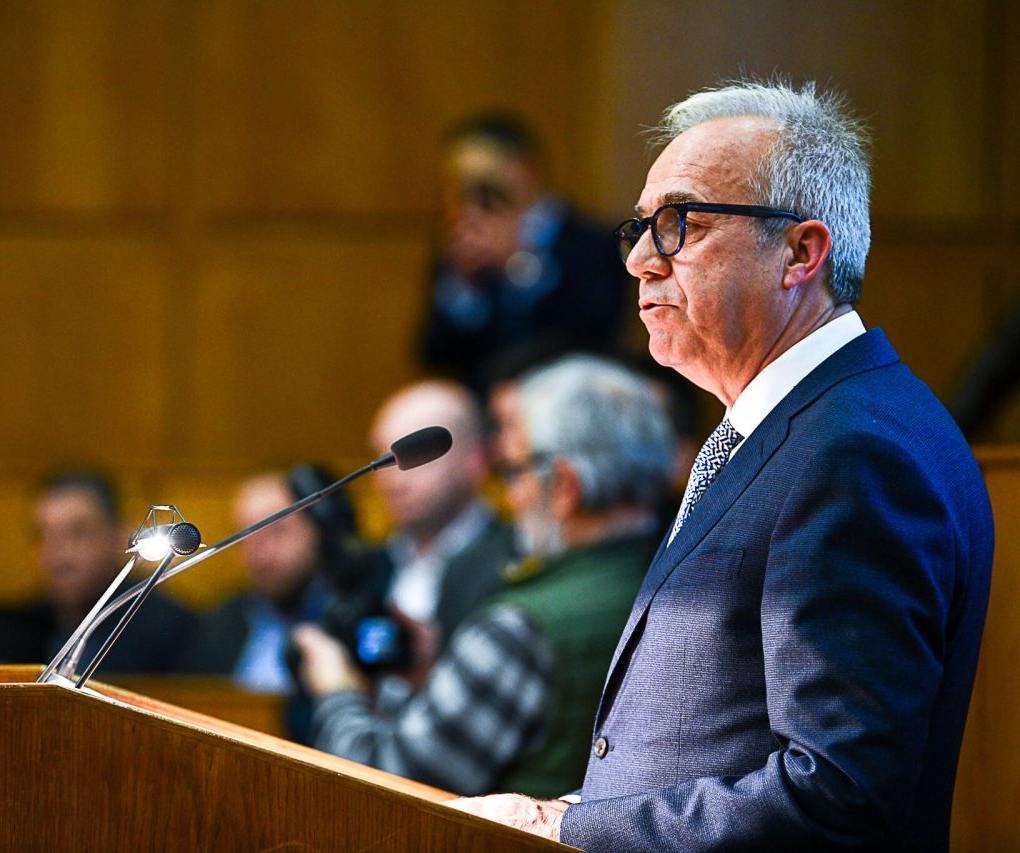
The business environment in the Ilia region is resilient, dynamic, and deeply connected to the unique identity of our land, the “Olympian Land.” It is mainly composed of small and medium-sized enterprises, many of which are family-owned and export-oriented, particularly in the tourism and agri-food sectors. However, they face significant challenges. Their main needs are better access to finance, a stable and business-friendly regulatory environment, and support to complete the dual digital and green transition. To effectively address these challenges, it is essential to create a university institute in our region, which would promote innovation and help retain our young talent. The issue of loans taken out after the devastating fires of the past is a significant burden for many local businesses. In addition, the completion of strategic infrastructure projects, such as the Patras-Pyrgos motorway and the modern rail link to Olympia, is not only a necessity but a prerequisite for the survival and growth of our region.
We are transforming the Chamber into a modern, accessible, and outward-looking organization that not only serves its members but also actively shapes the future of our region. Our goal is to build a modern, outward-looking Ilia with a dynamic and resilient economy that honors its unique Olympic heritage
How are trade and business missions essential in helping local companies expand into international markets? What results have been achieved through the missions carried out to date?
Trade and business missions are the cornerstone of our strategy to turn commercial ambitions into concrete opportunities. These missions offer our companies an invaluable platform to showcase their high-quality products and services directly to international buyers. More importantly, they help build relationships of trust, which are the foundation of any successful business partnership. One of the main results of this outward-looking strategy is the creation of a branch of the Hellenic-Italian Chamber of Commerce in Athens right here in our premises in Pyrgos. This is not just a symbolic act, but a permanent and open channel to the Italian market, offering our members ongoing and specialized support for their export activities. This partnership is the driving force behind our upcoming missions and ensures that participation translates into tangible and measurable benefits for each company involved. It also serves as a successful model for the types of international partnerships we seek to establish with our valued partners within the ASCAME network.
How does cooperation with other Chambers of Commerce play a key role in supporting local businesses and contributing to regional growth?
Collaboration is fundamental to our philosophy. Our partnership with the Hellenic-Italian Chamber of Commerce in Athens is a perfect example: it gives our SMEs direct access to expertise and networks that they could not develop on their own. This spirit of cooperation extends to all levels. My recent election to the board of directors of the Union of Hellenic Chambers of Commerce allows us to make Ilia’s voice heard at the very heart of national policy-making. In addition, we recently held a joint working meeting with the leaders of the Hellenic Confederation of Professionals, Craftsmen and Merchants, the main confederation of Greek SMEs, to form a common front on crucial issues such as high energy costs and access to finance. By uniting our voices, we amplify our message and strengthen our effectiveness. In today’s interconnected world, no chamber can succeed alone.
In terms of collaboration, what European cooperation projects is your Chamber currently involved in to promote innovation, competitiveness, and sustainability in the region?
We have solid experience in European cooperation, having completed a wide range of projects during the previous programming period. Today, for the new period, our strategy is even more ambitious and focused. I am proud to announce that we have secured funding for the project “DACC – Strengthening the digital transformation of UNESCO sites through cross-border cooperation in the program area,” a flagship initiative of the Interreg VI-A Greece-Italy 2021-2027 program. This project is a perfect example of our new outward-looking strategy. Its mission is to lead the digital evolution of tourism services at major cultural heritage sites, including our own jewel, Olympia, the birthplace of the Olympic Games. The Ilia Chamber of Commerce plays a leading role in a key part of the project, coordinating the assessment of the impact of digital heritage. This project allows us to directly support our tourism and culture sectors, providing our local SMEs with the sophisticated digital skills and data-driven tools they need to improve the visitor experience and compete on the global stage. The implementation of EU-funded projects reinforces our message to our partners within the ASCAME network: The Ilia Chamber is a reliable, competent, and ambitious partner. We are actively seeking to capitalize on this momentum and are looking for strong partnerships for upcoming calls for funding in order to create impactful projects that stimulate our entrepreneurial ecosystem and showcase the rich heritage of the Mediterranean.
Collaboration is at the heart of our philosophy. By uniting our voices, we amplify our message and strengthen our effectiveness. In today's interconnected world, no chamber of commerce can succeed alone
What specific services and tools do you offer to support local entrepreneurs?
We have redesigned our services to be more direct, practical, and responsive. At the heart of our new approach is the Business Service Center, a one-stop shop located in our main building where entrepreneurs can get immediate, personalized help on everything from financing opportunities to administrative procedures. We offer targeted seminars to help businesses adapt to new realities, covering topics such as the “myDATA” (my Digital Accounting and Tax Application) platform, a mandatory digital accounting and tax reporting system implemented by the Greek tax authorities, electronic invoicing, and access to microcredit. For our exporters, we provide the necessary certificates of origin and facilitate their participation in international trade fairs. We also use digital tools such as the electronic one-stop shop (e-YMS) to simplify the process of setting up a business. We play a vital role as a collective voice, constantly advocating on their behalf to resolve issues and create a more favorable business environment.
What is your commitment to digital transformation? Beyond the DigiWest Program, what other initiatives have been launched to help modernize local businesses?
Our commitment is absolute. For us, digital transformation is a matter of survival and competitiveness for our SMEs. We are leading by example by digitizing our own services to be more efficient and accessible to our members. We organize seminars on specific national programs such as “Digital Tools for SMEs” to help our members obtain funding for their modernization. We guide them through the complexities of mandatory platforms such as myDATA. We also advocate for reasonable implementation of new digital requirements, as we understand that many small businesses need more time and support to adapt. Through European projects such as DACC, we also bring digital innovation directly to our vital tourism sector by focusing on the online presence of our world-renowned heritage sites.
In addition, what is your Chamber’s commitment to ecological transition, and what measures are being taken to address the challenges of climate change?
We see the green transition as a major opportunity for Ilia to build a more sustainable and resilient economic model. Our commitment starts at home: we are undertaking a complete energy renovation of the Chamber building to transform it into a nearly zero-energy building. This project will serve as a concrete example of green entrepreneurship for our entire business community. We actively support our members in their own transition. We have participated in European projects that have helped SMEs adopt green public procurement practices. In terms of advocacy, we support investment in renewable energy and intervene on behalf of members affected by climate disasters, for example, by requesting tax relief for regions affected by fires.
We actively support our members in their own transition. In terms of advocacy, we encourage investment in renewable energy and intervene on behalf of members affected by climate disasters, for example by requesting tax relief for regions affected by fires
Are the agri-food and tourism sectors the most important industries in your region? In your opinion, what are the main growth opportunities for these sectors in the coming years?
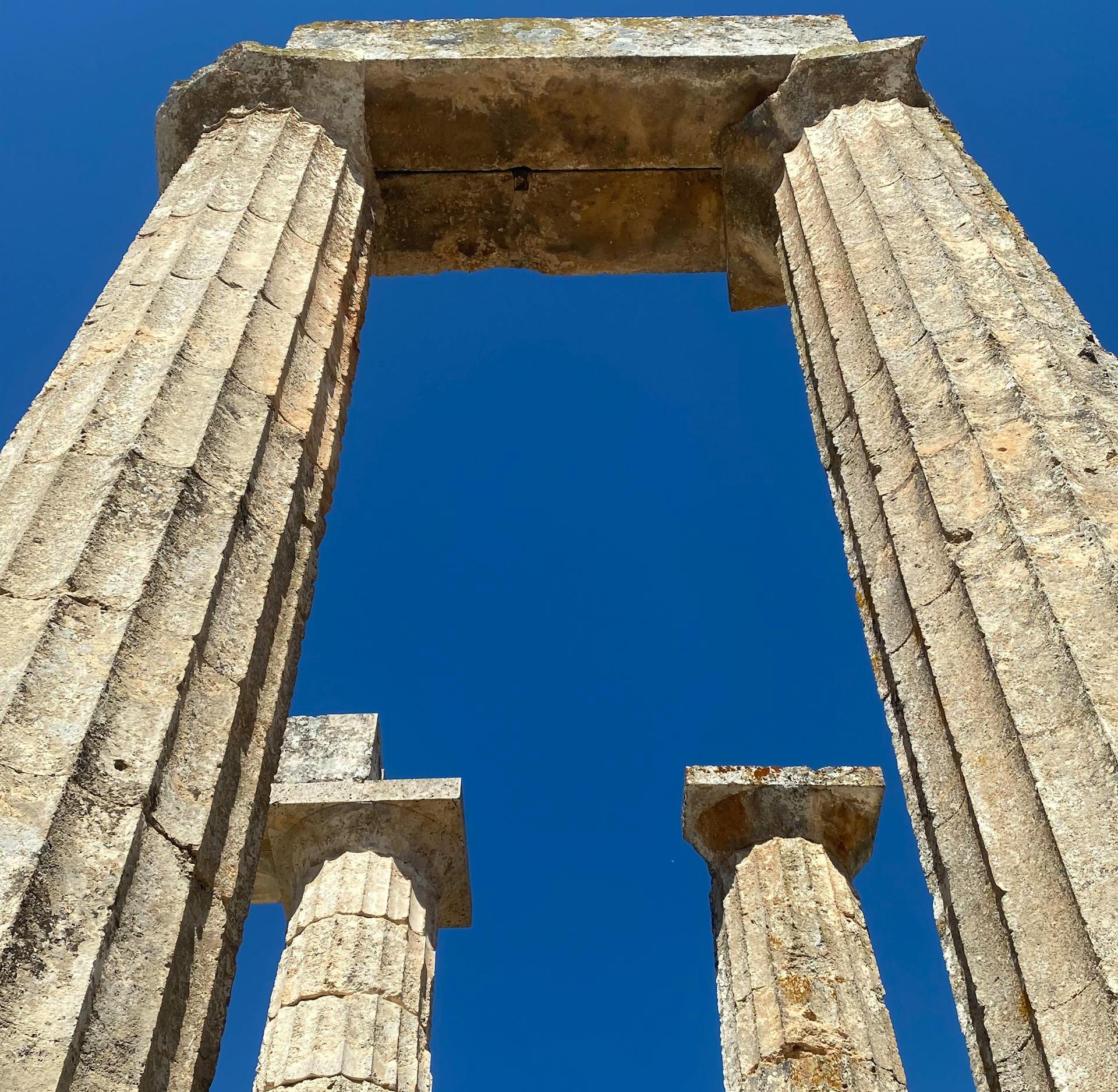
Absolutely. Agri-food and tourism are the two pillars of our economy and our identity, and offer immense opportunities for growth if we focus on quality and innovation. In the agri-food sector, the key is to move upmarket. This means investing in processing, promoting a strong “Olympian Land” brand, and integrating our local products into the tourist experience through gastronomy. For tourism, the opportunity lies in enriching our product. We need to take greater advantage of our two UNESCO World Heritage sites, Ancient Olympia and the Temple of Apollo Epikourios at Bassae, and develop the capacity of our ports. Katakolon, a major cruise destination, and Kyllini, the largest passenger port in the Ionian Sea and the third largest in Greece, are essential gateways to the region. At the same time, we must develop ecotourism around our Natura 2000 protected areas.
In terms of infrastructure, why is the Patras-Pyrgos-Olympia railway project currently considered the most important initiative under consideration?
This infrastructure network is the most decisive factor for the future of Elis. We consider the modern highway and rail project connecting us to Patras and Olympia to be non-negotiable priorities. They are a vital link that will end decades of isolation and open up new development opportunities for our region. Think of it as the creation of a seamless development corridor. The railway line and highway will connect the administrative and commercial centers of Ilia to Patras and Olympia, our cultural jewel. This integrated network not only boosts tourism; it facilitates trade, makes our region more attractive for investment, and fundamentally improves the quality of life for our citizens. It is the backbone on which our entire development strategy rests.
Last May, your Chamber participated in ASCAME’s Mediterranean Pavilion in Canada. What business contacts did you make during this major event?
Our participation in the Mediterranean Pavilion in Toronto was a strategic decision aimed at positioning Ilia on the North American map. I had the privilege of participating in a round table on regional integration, where I emphasized that for entrepreneurs, integration is not an abstract concept, but represents concrete opportunities. We presented Ilia as a region with unique assets in the fields of tourism and agri-food, and as a reliable and ambitious partner for investment. This experience confirmed the growing interest of markets such as Canada in the authenticity, culture, and sustainable, high-quality products that the Mediterranean has to offer. Thanks to initiatives like this, Canada is closer than ever. We are building bridges, and this event was an important step in establishing a dialogue with potential partners and tour operators who see the immense potential of our region.
Our participation in the Mediterranean Pavilion in Toronto was a strategic decision aimed at positioning Ilia on the North American map. We presented Ilia as a region with unique assets in the fields of tourism and agri-food, and as a reliable and ambitious partner for investment. This experience confirmed the growing and marked interest of markets such as Canada in the authenticity, culture, and sustainable, high-quality products that the Mediterranean has to offer
Finally, in your opinion, what should be the main role of Mediterranean chambers of commerce in the coming years?
Mediterranean Chambers of Commerce must evolve to become active catalysts for regional integration and sustainable development. Our role is to build bridges, connecting our local SMEs to global markets, linking businesses to research, and bridging the gap between entrepreneurs and policymakers. We must promote the dual green and digital transition, providing our members with concrete tools and knowledge to turn these challenges into opportunities. Through networks such as ASCAME, which the Ilia Chamber considers an indispensable partner, we must work together to forge a common Mediterranean vision. We must speak with one voice in favor of policies that support our unique economic assets and strategic infrastructure, such as the modern railway line to ancient Olympia, which unlocks our full potential. We must promote the creation of knowledge hubs, such as university institutes, to retain talent and stimulate innovation. Our ultimate role is to ensure that the Mediterranean is not just a destination, but also a dynamic, innovative, and prosperous hub for future generations, worthy of its heritage as the cradle of Western civilization.