
Oscar Maronda/ October 20, 2026/ Featured, Institutional
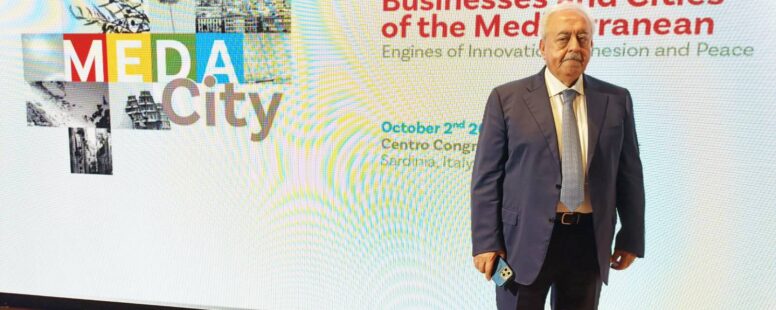
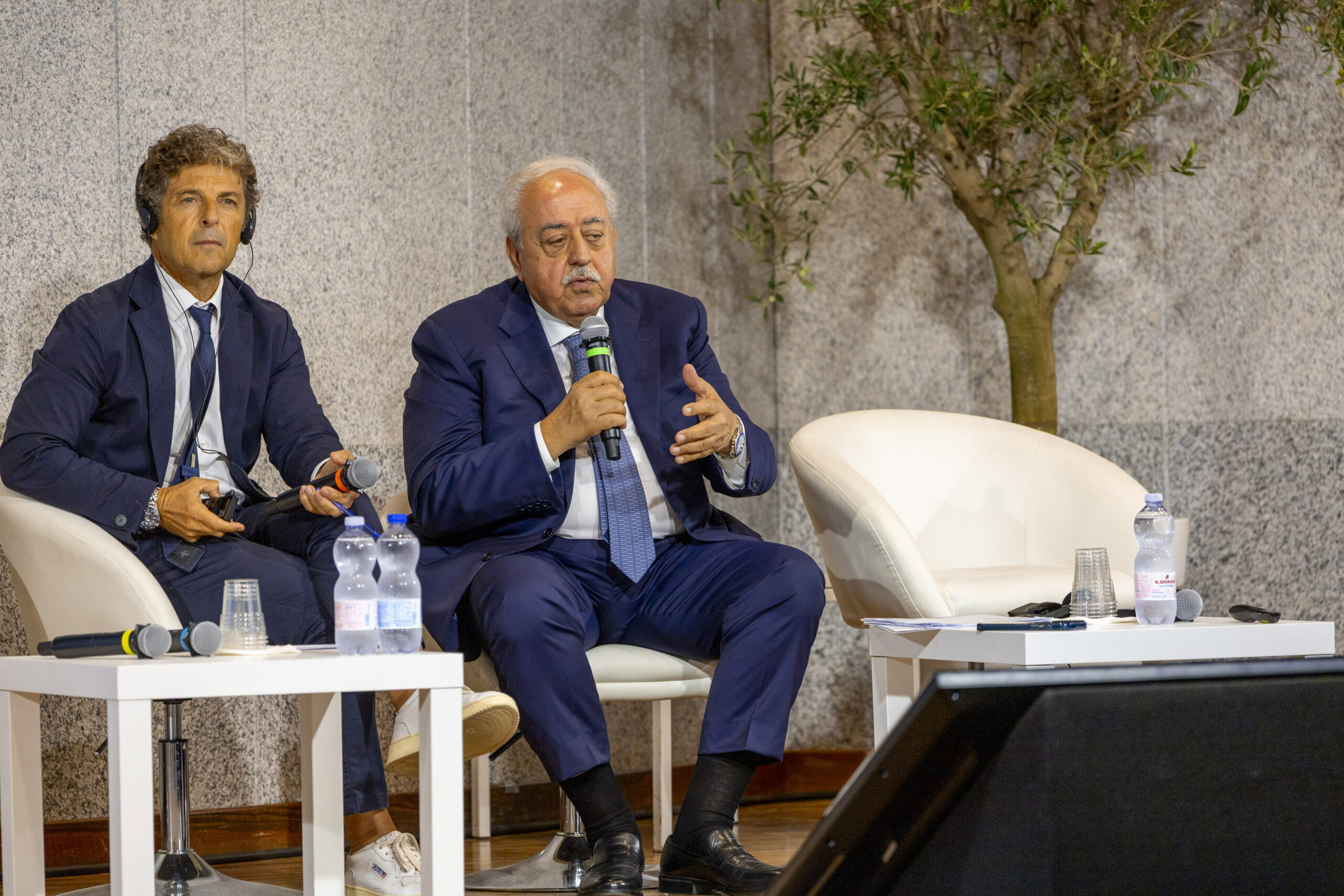
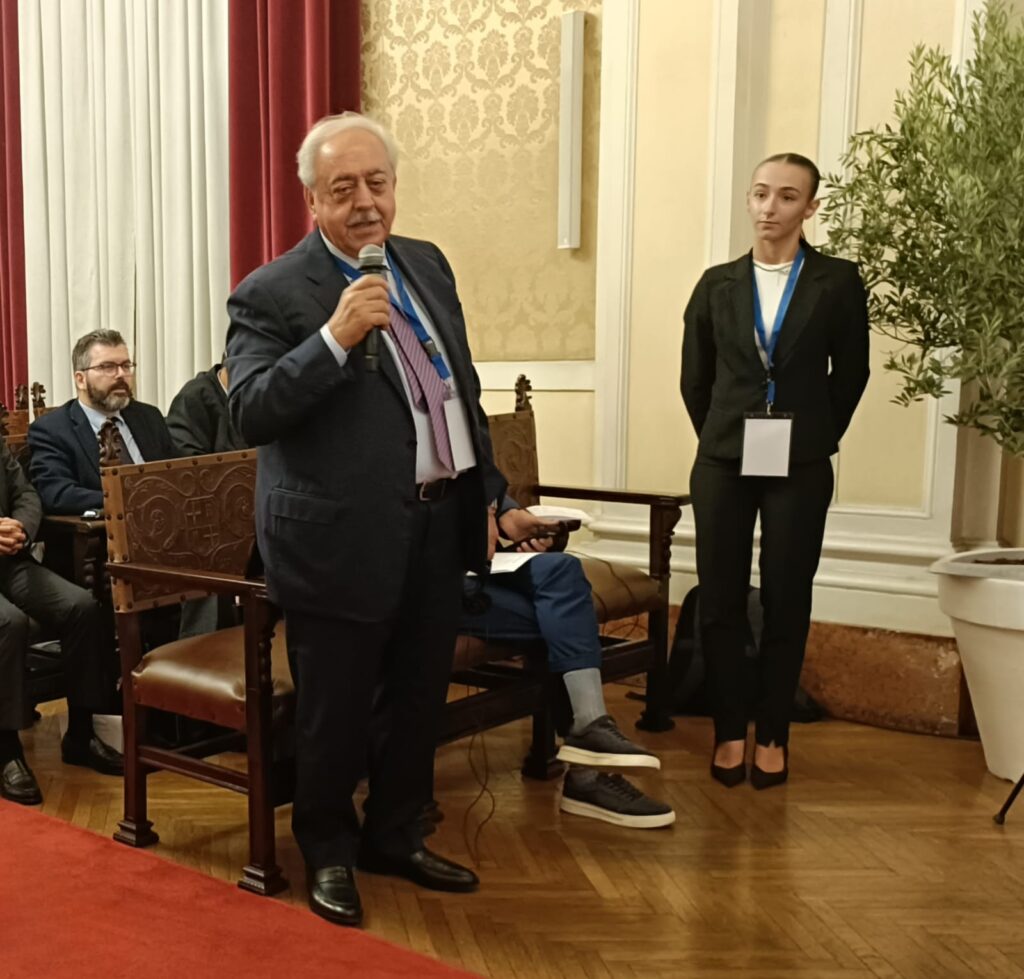
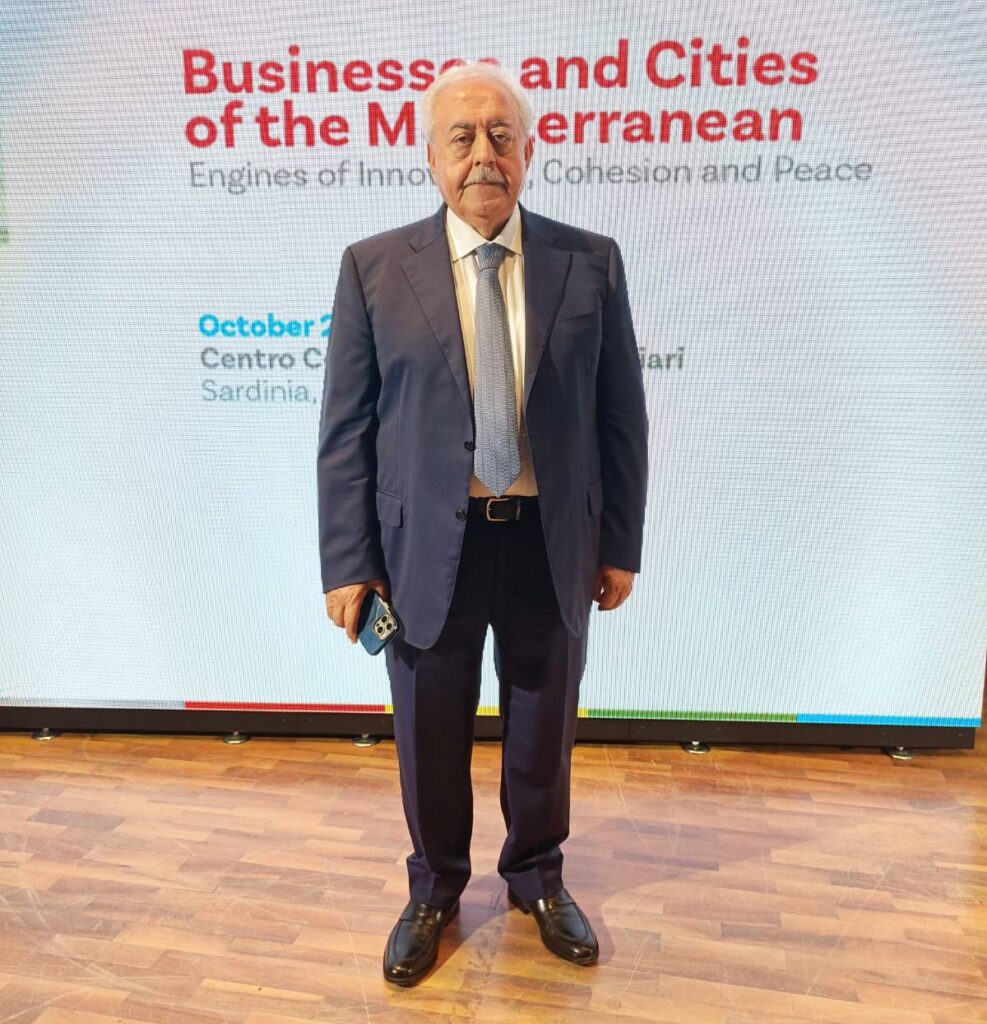
The return of the Latakia Chamber of Commerce and Industry (LCCI) to ASCAME marks a significant milestone for both the Syrian business community and Mediterranean economic cooperation. After years of absence due to the conflict, the Chamber has officially rejoined the association, reaffirming Syria’s commitment to regional engagement, dialogue and shared prosperity. This renewed participation was highlighted by the presence of Mr. Anas Deeb Joud, President of LCCI, at ASCAME’s latest Executive Committee meeting in Cagliari, as well as at MedaCity Forum 2026, where representatives from across the Mediterranean gathered to discuss the future of cooperation, investment and sustainable development in the region.
In this interview, Mr. Joud reflects on the significance of LCCI’s return to ASCAME, Syria’s economic recovery and reintegration into Mediterranean markets, and the role of Chambers of Commerce in fostering stability, trust and business partnerships. He also shares his vision for rebuilding international economic ties, attracting investment, strengthening public-private cooperation and positioning Syria as a dynamic bridge between Europe, the Arab world and Asia.
After years of absence imposed by the conflict, LCCI has officially rejoined ASCAME. How significant is this moment for your institution, and what does it symbolize for Syria’s economic recovery and renewed engagement with the Mediterranean business community?
The return of the LCCI to ASCAME after 14 years is far more than the restoration of a membership. It symbolizes Syria’s return to its natural place within the Mediterranean business community and the beginning of a new chapter of openness, cooperation, and mutual trust. Despite years of conflict and significant economic challenges, the Syrian private sector has shown remarkable resilience. As the country enters a phase of recovery and reconstruction, rebuilding regional and international economic ties is essential for sustainable growth. For Latakia, one of Syria’s main maritime Mediterranean gateways, this return is especially meaningful given its strong industrial, commercial, agricultural, and tourism potential. We see our rejoining ASCAME not only as a symbolic step, but as a practical opportunity to transform institutional relationships into meaningful economic partnerships, investment opportunities, and joint projects that benefit both the Syrian business community and our Mediterranean partners.
How important is regional cooperation in the Mediterranean to supporting Syria’s economic reintegration, and how can ASCAME strengthen these connections?
The Mediterranean has always been Syria’s natural economic environment and a key gateway connecting Europe, Asia, and the Arab world. Syria’s economic reintegration requires more than restoring trade flows; it depends on stronger cooperation in investment, transport, logistics, industry, tourism, technology, and capacity building. In this context, ASCAME plays a vital role by connecting Chambers of Commerce, businesses, investors, and economic stakeholders across the region. We believe ASCAME can support Syria through three priorities:
- Rebuilding commercial connections: Facilitating business-to-business meetings, trade missions, and direct relationships between Syrian companies and international importers, exporters, and potential business partners.
- Encouraging joint investment: Promoting investment opportunities in Syria and facilitating communication between international investors, local businesses, and relevant institutions.
- Knowledge and expertise Exchange: Supporting Syrian Chambers and their member companies in digital transformation, institutional governance, export development, and sustainability.
At the LCCI, we are ready to work closely with ASCAME on practical initiatives, particularly in maritime transport, logistics, trade, and industry. Our ambition is to make Latakia an active bridge between the Syrian business community and its Mediterranean partners.
The return of the LCCI to ASCAME after 14 years is far more than the restoration of a membership. It symbolizes Syria's return to its natural place within the Mediterranean business community and the beginning of a new chapter of openness, cooperation, and mutual trust
Linked to the last question, what role can Chambers of Commerce and the private sector play in fostering trust, economic cooperation and ultimately contributing to peace and stability across the Mediterranean region?
I strongly believe that economic cooperation can act as a bridge between nations, even when political relations are challenging. Chambers of Commerce play a unique role in bringing business communities together around shared interests, fostering trust, dialogue, and mutual understanding. Through partnerships, investment, and job creation, particularly for young people, the private sector can contribute to economic stability and help address some of the root causes of migration and instability. Beyond representing businesses, Chambers of Commerce can promote inclusive development, strengthen ties across Mediterranean societies, and support the economic opportunities essential to lasting peace and stability. Sustainable peace requires genuine economic opportunities, and economic cooperation is one of the most effective ways to create them.
What message would you like to convey to ASCAME members regarding the return of the Chamber of Commerce of Lattakia to the Association?
First, I would like to thank all ASCAME members for welcoming the Syrian Chambers of Commerce back into the Mediterranean business community. My message is simple: Syria is returning with renewed determination and a strong commitment to reconstruction, cooperation, and international engagement. We seek balanced partnerships that create opportunities for trade, investment, and shared growth. I warmly invite ASCAME members to visit Syria and Latakia, meet our business community, and explore the many opportunities for cooperation.
ASCAME has continued to evolve during the years in which your Chamber was unable to participate actively. From your perspective, how has ASCAME changed, and what strengths make it particularly relevant for the Mediterranean business community today?
Participating in the Executive Committee meeting in Cagliari allowed me to see how ASCAME has evolved from a traditional network of Chambers into a key platform connecting Mediterranean economic initiatives with European and regional policies. One of ASCAME’s main strengths is its ability to unite institutions from both shores of the Mediterranean around a shared vision of cooperation and prosperity. I also see great potential in projects such as the Mediterranean University, which can help connect education, skills, and labor-market needs. These priorities closely align with the Latakia Chamber’s commitment to institutional development, capacity building, and entrepreneurship, and we look forward to contributing to these efforts and strengthening economic cooperation in the Eastern Mediterranean.
Syria returns to ASCAME with renewed determination and a strong commitment to reconstruction, cooperation, and international engagement. We seek balanced partnerships that create opportunities for trade, investment, and shared growth
As Syria gradually enters a new phase focused on economic recovery and reconstruction, what role do you believe Chambers of Commerce can play in supporting businesses, attracting investment, and rebuilding international economic ties?
As Syria enters a new phase of recovery and reconstruction, Chambers of Commerce have a unique opportunity to evolve from administrative bodies into active drivers of business development, investment promotion, and economic growth. This is the approach we are pursuing through the Latakia Chamber’s 2026-2030 Strategic Plan, focused on institutional modernization, digital transformation, and stronger engagement with our members. We have already introduced practical initiatives such as a Customer Service Center and One-Stop Service Window, while expanding training programmes, entrepreneurship support, and economic intelligence services. At the same time, we are strengthening partnerships with Chambers and business organizations across the Mediterranean. Our vision is to become a trusted partner for investors, a catalyst for business growth, and an effective bridge between the Syrian business community and international markets.
What are the most promising sectors for investment in Syria today, and how is your Chamber working to attract international investors and business partners?
Syria offers significant investment opportunities, driven by reconstruction needs, its strategic location, and its human and natural resources. The most promising sectors include maritime transport and logistics, manufacturing, agriculture and agro-industry, tourism, and energy and infrastructure, particularly renewable energy. At LCCI, we are working to promote these opportunities by strengthening international partnerships, connecting investors with local businesses, and enhancing investment support services.
Public-private partnerships are essential for accelerating economic development and reconstruction. How do you assess the current state of public-private cooperation in Syria?
Public-private cooperation in Syria is gaining renewed importance as the country advances its economic recovery. Given the scale of reconstruction needs, effective partnerships are essential, supported by clear regulations, transparency, and balanced risk-sharing. Chambers of Commerce can contribute by representing business interests, identifying investment-ready projects, and facilitating cooperation between investors and public institutions. In Latakia, significant opportunities exist in infrastructure, logistics, industry, energy, and essential services. Ultimately, successful public-private partnerships depend not only on financing, but also on shared responsibilities, expertise, and long-term economic benefits.
What are the most pressing concerns currently expressed to you by Syrian businesses, and how is the Chamber of Commerce of Lattakia supporting them in addressing these challenges?
Through our ongoing engagement with traders, manufacturers, and business owners, we have identified several major challenges that continue to affect economic activity. These include high production, energy, and transportation costs; limited access to financing and international banking services; and the need for greater predictability and clarity in regulatory, customs, and taxation procedures. Businesses are also facing challenges related to technological modernization, access to qualified personnel, rebuilding export markets, and restoring supply chains disrupted over the past years. In response, the Latakia Chamber of Commerce is modernizing its services, strengthening dialogue with public authorities, supporting training and entrepreneurship, and expanding international partnerships. Our goal is to help businesses access new opportunities, improve competitiveness, and support the growth of small and medium-sized enterprises while serving as a trusted partner for the private sector.
Public-private cooperation in Syria is gaining renewed importance as the country advances its economic recovery. Given the scale of reconstruction needs, effective partnerships are essential, supported by clear regulations, transparency, and balanced risk-sharing. Successful public-private partnerships depend not only on financing, but also on shared responsibilities, expertise, and long-term economic benefits.
If you had to identify three priorities to accelerate Syria’s economic recovery and reintegration into regional markets, what would they be?
I would highlight three key priorities: creating a stable and investment-friendly business environment, rehabilitating critical infrastructure and productive sectors, and reconnecting Syria with regional and international markets. These objectives are closely linked. A predictable regulatory framework is essential to attract investment, while modern infrastructure and competitive industries are necessary to boost trade and exports. Ultimately, Syria’s recovery should focus on building a more competitive, export-oriented economy capable of generating sustainable growth and employment opportunities.
If you look five or ten years ahead, how do you envision Syria’s place in the Mediterranean economy, and what role would you like the Syrian private sector to play in shaping that future?
I am cautiously optimistic about Syria’s future. Over the next decade, I believe the country can gradually restore its role as a key economic and trade bridge between Europe, Asia, and the Arab world. To achieve this, Syria must move beyond reconstruction and focus on building a modern, competitive, and innovation-driven economy. The private sector will have a central role to play by attracting investment, creating jobs, expanding exports, and driving business development. We also hope to see stronger participation from young entrepreneurs and women, supported by international partnerships that foster knowledge exchange and competitiveness. Ultimately, our goal is not simply to rebuild Syria, but to create a more open, dynamic, and prosperous economy connected to the Mediterranean region.