

Events Ascame/ December 29, 2025/ Featured
The European Council agreed to apply a fixed customs duty of 3 euros to low-value parcels worth less than 150 euros entering the EU from 1 July 2026. The measure will remain in force until the permanent arrangement for such parcels, as agreed in November 2025 at the European level, comes into force. The tax will be levied on all goods entering the EU for which non-EU sellers are registered in the EU’s single import shop, IOSS for VAT payment, covering 93% of e-commerce flows to European countries. My view is that the policy impact of the decision is limited, and the “small parcels” of low cost will continue on an upward trend.
The explosion of cheap imports with 4.6 billion parcels per year from China to the EU led Ecofin to a decision that, although it puts an end to free small parcels, will not limit their flow due to the large difference in prices and the margins that Asian platforms have to easily absorb from 0.5 to 3 euros with additional discounts. The other reasons why 3 euros is not enough are consumer behavior, while the logistics model remains intact, since it is not a tariff, but a fixed fee. The 6-month delay in implementing the November political commitment raises questions. With this measure, Europe does not fully respond to the fact that small parcels from well-known platforms that currently enter duty-free, lead to unfair competition, but also risks to consumer health and safety, high levels of fraud, and environmental problems.
Perhaps the greater interest is that the measure will apply to all goods for which non-EU sellers are registered with the EU’s single point of import service, IOSS, for value-added tax purposes. The question here, however, is whether the measure ultimately favors large platforms that have invested in storage facilities in Eurozone countries, despite the fact that the Commission is expected to regularly assess whether the rate should be extended to goods imported and sold by traders not registered with IOSS. It is noted that businesses importing the same items are subject to duties, VAT, customs clearance costs and compliance requirements with European standards.
The question is whether the measure ultimately favors large platforms that have invested in storage facilities in Eurozone countries, despite the fact that the Commission is expected to regularly assess whether the rate should be extended to goods imported and sold by traders not registered with IOSS
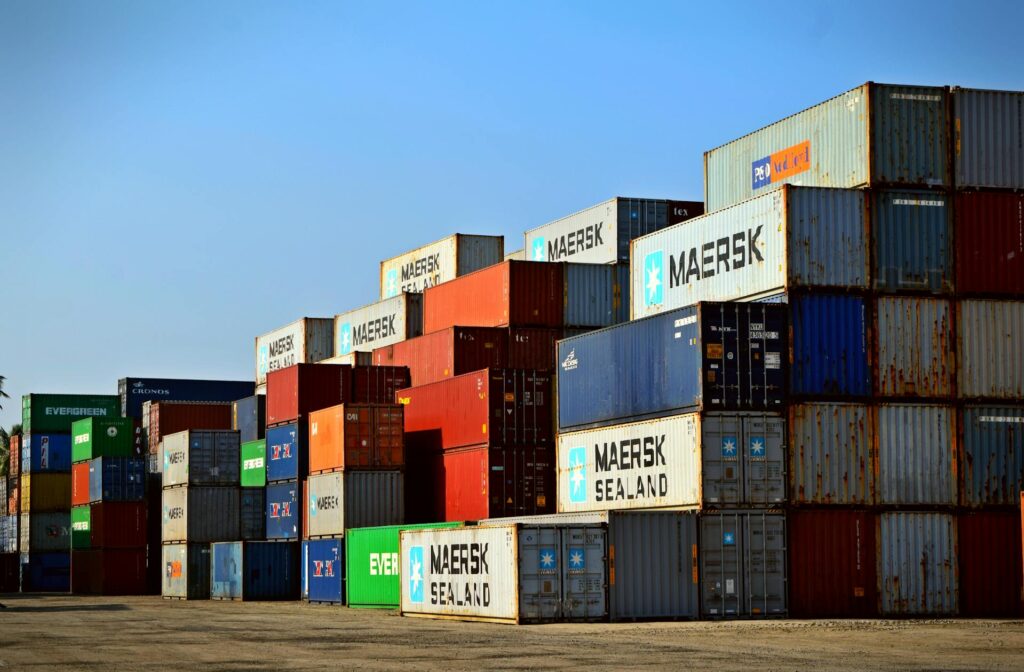
The initial commitment to find a simple, temporary solution to impose tariffs on such products as soon as possible appears to be delayed, and a transition period will start from 1 July 2026 until the agreement on a permanent solution that will completely remove the duty-free threshold is put into effect. The aim is that all individual goods worth less than €150 will be subject to duties at the standard EU tariff rates. It is also noted that the measure differs from the proposed “management fee”, currently being discussed in the context of the customs reform package and the multiannual financial framework.
According to the data from the Institute of Commerce and Services (INEMY) and the Hellenic Confederation of Commerce & Entrepreneurship (ESEE), over 91% of parcels worth less than 150 euros imported into the EU come from China, while in Greece, it is estimated that up to 50,000 orders arrive daily. It is indicative that 1 in 5 euros from purchases made by Greeks from electronic platforms ends up in China, with the estimated turnover of purchases ranging between 529 and 627 million euros. According to the GRECA organisation, the conditions for Greek businesses are suffocating, as large platforms have already captured 15%-20% of the Greek e-commerce market. The total losses for the Greek economy from the invasion of third-country e-shops are estimated at between 188 and 204 million euros.
Greece officially supported the proposal to impose tariffs on low-value parcels from third countries, and in fact, the Minister of National Economy and Finance, Mr. Kyriakos Pierrakakis, stressed that Greece fully supports the abolition of the minimum amount of 150 euros, while as president of the Eurogroup, he will be able to coordinate in practice the crucial debate on European trade. The representatives of Greek trade, actively participating in the production of EuroCommerce positions and the EESC opinions to the Commission, propose the institutionalisation of a single mechanism at the EU level, which will allow the Commission to impose, in exceptional but critical cases, even a temporary restriction or suspension of access to the European market for electronic platforms and traders from third countries.
This opinion article has been written by Mr. Vassilis Korkidis, President of ASCAME’s member, the Piraeus Chamber of Commerce and Industry.