
Events Ascame/ December 16, 2025/ Ascame members
Halkidiki, located in Northern Greece, in the region of Central Macedonia, is renowned for its unique combination of natural beauty, rich cultural heritage, and dynamic economic potential. Beyond its world-class tourism, the area offers strong opportunities in agri-food production, gastronomy, real estate investment, and international trade. At the heart of this growth stands the Halkidiki Chamber of Commerce, representing more than 12,000 businesses and driving initiatives that connect local entrepreneurship with global markets.
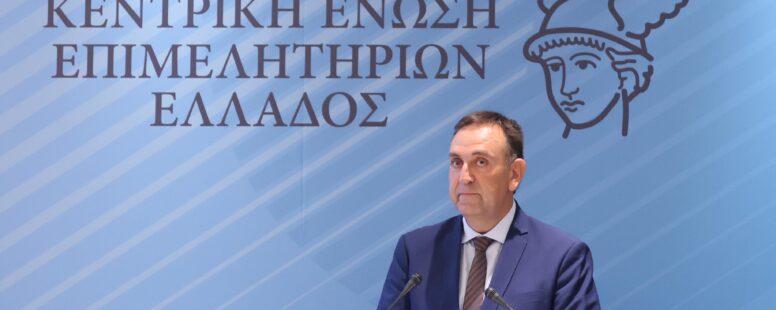
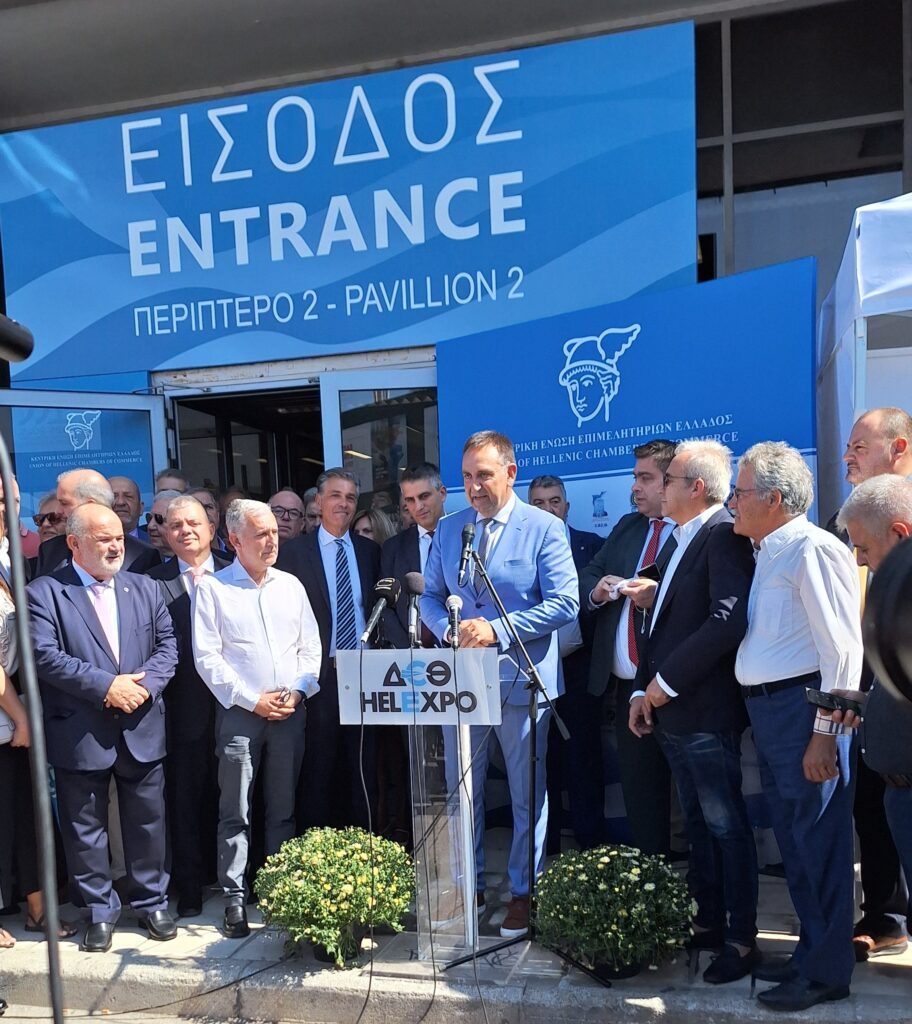
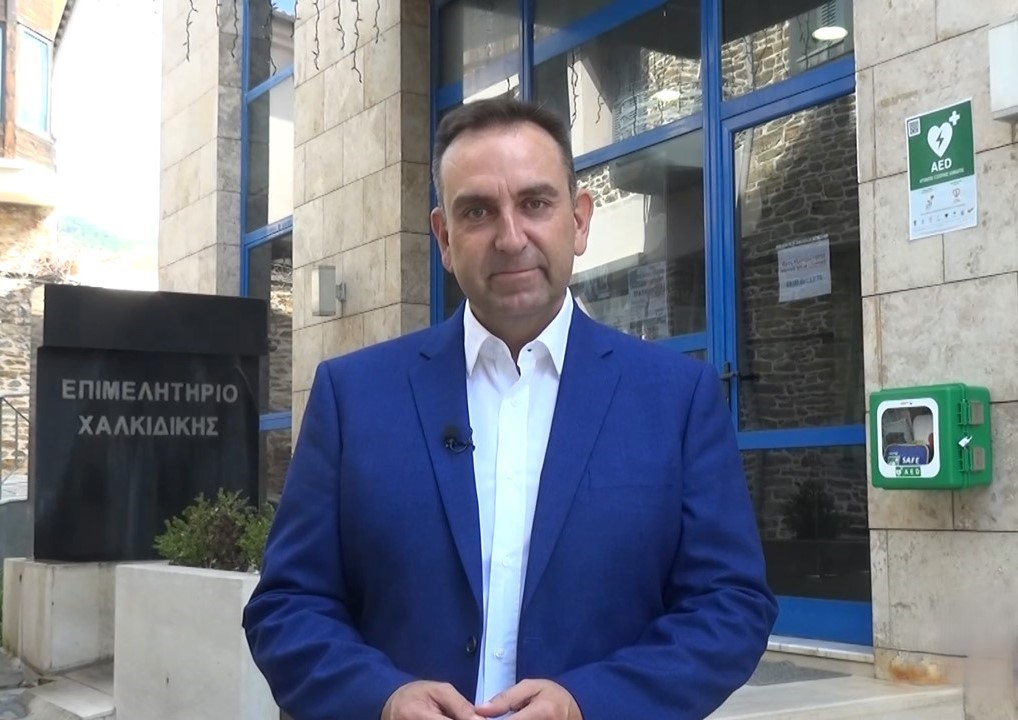
We interviewed President Mr. Yiannis Koufidis, who also serves as First Vice President of the Union of Hellenic Chambers of Commerce. He shared his vision for the future of the region, emphasizing the Chamber’s commitment to supporting local businesses, promoting agri-food excellence, and strengthening the connection between entrepreneurship, tourism, and culture. Mr. Koufidis highlighted current achievements, including the Taste Halkidiki project, participation in European funding programs, and a variety of B2B events, while presenting new initiatives designed to address pressing challenges and seize opportunities for sustainable growth. The Chamber’s President further underlined the importance of synergies and intraregional cooperation as key drivers for advancing Mediterranean economic development and tackling common challenges faced across the region.
What is the key role of the Halkidiki Chamber of Commerce in shaping the region’s economic future?
The Halkidiki Chamber is a dynamic institution that supports local entrepreneurship in a region experiencing balanced growth across the primary, secondary, and tertiary sectors, with a significant contribution to the country’s GDP. Through information, training, consulting, extroversion initiatives, innovation support, and digital upgrading, it promotes local products and tourism, helping to create a strong and recognizable local identity.
Halkidiki is part of several networks (Union of Hellenic Chambers of Commerce, INSULEUR, Hellenic Insular Chambers Development Group). How do these affiliations strengthen your members’ opportunities?
Cooperation, synergies, and networking are key pillars of our administration strategy, as they offer our members opportunities for extroversion, enhanced competitiveness, and the adoption of best practices and successful initiatives implemented with positive results by other Chambers and organisations. Furthermore, my election as First Vice President of the Union of Hellenic Chambers of Commerce, within a new and dynamic administration focusing on business resilience and growth, is another crucial asset for promoting the entrepreneurial interests of Halkidiki.
What are the needs, requests and concerns most frequently expressed by your members?
The needs expressed by our members mainly concern access to funding tools, reducing energy costs, improving local infrastructure, finding human resources across all sectors, and receiving support for promotion and networking. The biggest challenges facing Halkidiki’s business community are seasonality, staff shortages, and upgrading the quality of visitors in tourism. The Halkidiki Chamber of Commerce is an institution close to the decision-making centers and, through interventions, advocacy, and a clear strategy, strives to provide solutions for its members.
Tourism is a major driver in Halkidiki. How is the Chamber supporting diversification beyond tourism?
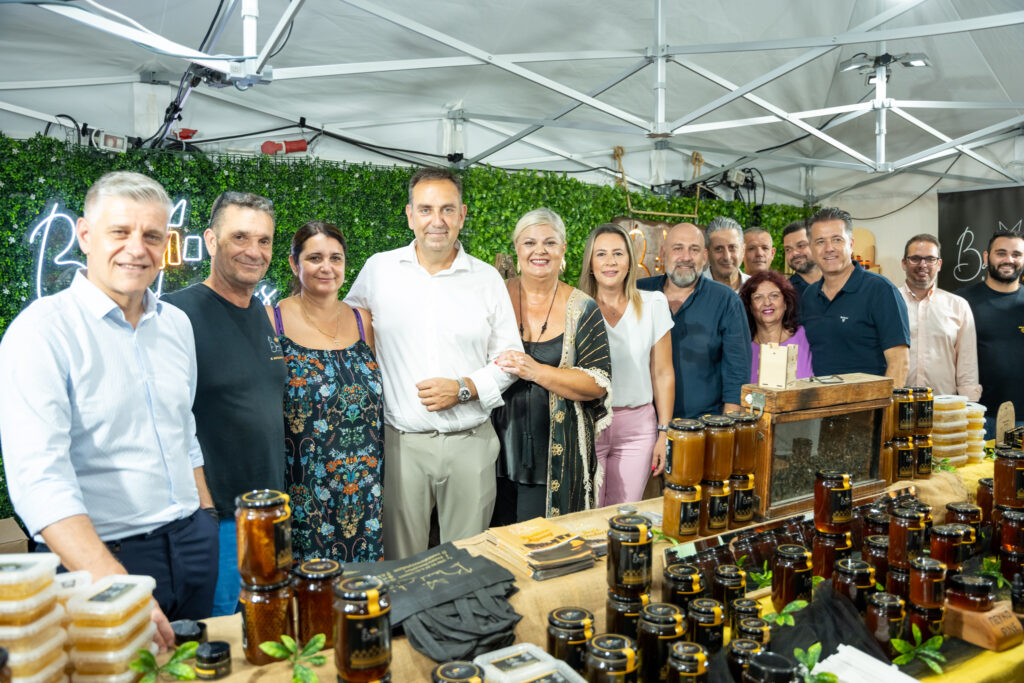
As I mentioned above, Halkidiki’s economy is balanced among the primary, secondary, and tourism sectors. Since 2021, we have developed Taste Halkidiki, an initiative for the promotion of local gastronomy as an alternative form of experience tourism. Taste Halkidiki was initially, for its first two years, funded as an EU leader project, but we have continued it since then with our own resources. Essentially, through this program, we connected all three sectors of the economy, created incentives to promote our unique local products, showcase the people behind them and their stories, and helped producers develop visitor-friendly production spaces aimed at extending the tourist season, promoting less-touristic areas, and, overall, creating a distinctive gastronomic identity.
The needs expressed by our members mainly concern access to funding tools, reducing energy costs, improving local infrastructure, finding human resources across all sectors, and receiving support for promotion and networking
What initiatives are you leading to foster sustainable tourism in the region? What opportunities do you see for Halkidiki to position itself as a model of sustainable regional development in Greece and the Mediterranean?
Our Chamber, once again taking a pioneering role, has conducted studies on sustainable development and has been training its members in this field for years. Since 2024, we have been participating as partners in the EU’s Green Host Cove Project, which provides training in sustainable practices for professionals in the hospitality and tourism sectors. Our natural and cultural assets, along with our economic diversity, can position us as a Mediterranean showcase for sustainable local development. Regenerative tourism initiatives, sustainable certification programs for tourism businesses and destinations, the creation of low-energy and zero-waste accommodations and areas, and energy communities – an initiative we have already launched for our members – are unquestionably key challenges and opportunities for sustainable growth.
What other economic sectors do you represent? How does the Chamber balance the interests of its diverse sectors (manufacturing, commerce, services, tourism)?
Halkidiki Chamber includes four sectors: services, commerce, tourism, and manufacturing. It has now reached 14,000 active members, with a steadily increasing growth rate and a positive balance of registrations versus deregistration, even during adverse conditions. We strive for our initiatives and actions to meet the needs of all our members and often extend beyond our official role, such as supporting the agricultural sector, which does not formally fall under our jurisdiction but is an essential component of the secondary sector. Our strategy includes extroversion, modernisation, education, enhancing competitiveness, and sustainable development, while at the same time making every possible effort to ensure our members’ participation in funding programs.
How is the Chamber preparing its members for green and digital transitions?
We consistently provide information and training to our members in both areas. Our own digital upgrade has also helped our members advance their digital capabilities. Almost all our services are now offered digitally, and in-person visits to our offices have been reduced to a minimum. Regarding the green transition, we have already begun creating an energy community for our members, aiming at green energy production and reducing energy costs for businesses. I should also note that in all these efforts, we work hand in hand with the academic community, leveraging scientific research and studies to achieve more effective entrepreneurship.
How does the Chamber contribute to promoting entrepreneurship, investment, and innovation in the region?
Halkidiki Chamber is the first “stop” for individuals entering the world of entrepreneurship. We provide them with consulting services across various sectors, training, skills development, information on funding opportunities, financial assistance for participation in exhibitions and business missions, and support in developing networks and collaborations. Additionally, women’s and youth entrepreneurship are two key areas where we strive to make a real impact. Regarding investment attraction, we ensure that beyond our institutional role, we intervene and contribute to resolving important local infrastructure issues, such as water supply, road networks, healthcare, security, and more. Strengthening the value of the local supply chain creates a more diverse, innovative, and competitive local ecosystem, an essential goal for both us and the development of the region.
Intra-regional collaboration is more necessary than ever, as Mediterranean destinations face the same challenges: climate crisis, water scarcity, mass-tourism, biodiversity loss, and the urgent need to shift toward greener and more resilient economic models
What role do you see for Halkidiki in broader Mediterranean cooperation, especially in tourism and sustainable development? Why is intra-regional cooperation more necessary than ever?
Halkidiki is a blessed place and a strong tourism brand, rich in natural resources and near the metropolitan Thessaloniki in the Central Macedonia Region. Key priorities include renewable energy, circular economy, coastal protection, and the development of cultural and other alternative forms of tourism. Intra-regional collaboration is more necessary than ever, as Mediterranean destinations face the same challenges: climate crisis, water scarcity, mass-tourism, biodiversity loss, and the urgent need to shift toward greener and more resilient economic models.
No region can tackle these issues alone. Collaboration fosters innovation, offers economies of scale, facilitates the adoption of best practices, and strengthens Mediterranean competitiveness globally, positioning the region as a sustainable tourist destination overall.
How can ASCAME and the Halkidiki Chamber collaborate more closely to amplify Mediterranean private sector voices?
Certainly, the collaboration between the Halkidiki Chamber and ASCAME represents both an excellent opportunity and a great challenge. Creating and fostering a strong, sustainable, high-quality Mediterranean community that highlights our products and tourism is more necessary than ever. Within this framework, we can develop joint promotional campaigns, participate in forums aimed at attracting new international markets, organize B2B meetings in the fields of tourism, agri-food, and renewable energy – even as part of our participation in international exhibitions – and, of course, jointly pursue European funding programs.
Can you tell us about any initiatives planned for 2026, such as conferences, trade missions, training programs or cooperation initiatives?
We have already scheduled a series of new initiatives for 2026, while continuing to build on our successful projects. This year, we will bring the Taste Halkidiki Festival to Athens, offering our producers the opportunity to showcase and sell their products in the capital’s vibrant market. As part of the Taste Halkidiki project, we will also organize a new Fam Trip for journalists and bloggers, highlighting the dynamism of our agri-food businesses in synergy with tourism and culture. In addition, our Chamber will host a conference dedicated to exploring solutions to the pressing challenge of water scarcity, which has become a critical issue for both the primary and secondary sectors, as well as for tourism. We are also preparing the 6th edition of our “Entrepreneurship Awards,” celebrating business excellence and innovation. Finally, we will participate in major exhibitions in Greece and abroad, including SIAL. Training and skills development remain a top priority on our agenda, with a comprehensive program of both online and in-person seminars.
What are your main priorities as President for the next few years?
Supporting and enhancing the competitiveness of our SMEs, promoting a model of sustainable and green development across all sectors, creating conditions to attract investments that do not burden the region, and fostering collaborations and synergies -which we have pursued from the very beginning of our administration – are my priorities, as well as those of my colleagues. Following my re-election as President of the Halkidiki Chamber, during my second term, I have aimed to implement a participatory governance model, which is truly bearing fruit, as every Board member has an active role, and this is how we continue to operate.
How do you assess the new chapter ASCAME is opening with the renewal of its presidency and bureau? And how do you view the new phase the Mediterranean is entering with the Mediterranean Pact and the Barcelona Declaration?
First of all, I would like to express my warmest congratulations to your President Mr. Josep Santacreu, President of the Barcelona Chamber of Commerce and of course all the institution’s Executive Committee. A renewed presidency with fresh ideas, an even more dynamic vision focusing on innovation, sustainability, and stronger business diplomacy across the Mediterranean is a challenge for all. This renewal creates momentum for Chambers to work more collectively and strategically, aiming to deliver concrete results for SMEs. Regarding the Mediterranean Pact and the Barcelona Declaration, I believe that we are entering a new phase of deeper, multisector cooperation among Europe, Africa, and the Arab world, particularly in the areas of green transition, digitalisation, energy, and sustainable tourism. In these constantly changing times, it is an opportunity to make the Mediterranean and our regions more competitive, more coherent, and better prepared to tackle shared challenges like climate pressure, economic inequality, and instability.