
Events Ascame/ March 11, 2025/ Featured
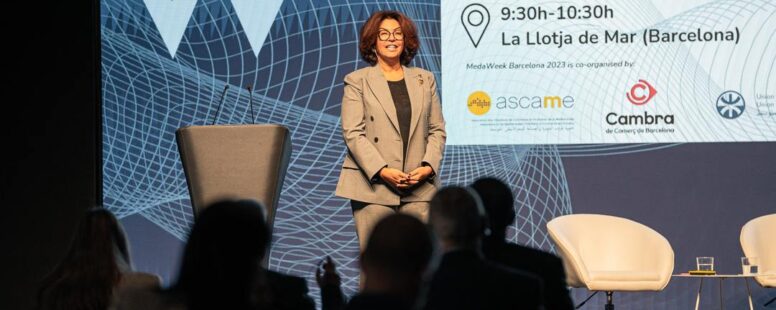
We interviewed Ms. Noha Shaker, Founder and Secretary General of the Egyptian Fintech Association, and elected Vice-President of the Africa Fintech Network at the Union of Africa Fintech Associations. Ms. Shaker is a dynamic leader and force for change, particularly in the fields of Fintech, financial inclusion, and green finance. As she explains in the following interview, Fintech platforms, such as mobile banking and digital lending, can play a pivotal role in overcoming financial barriers for Mediterranean women entrepreneurs. In addition, Ms. Shaker warns of the underrepresentation of women in Tech and emerging roles in Blockchain, AI, and Machine Learning. In her opinion, this challenge could be addressed by promoting STEM education for girls from an early age and creating mentorship networks that encourage women to pursue careers in technology. On the other hand, apart from technology, Ms. Shaker considers that the green economy offers numerous opportunities for women in sectors like renewable energy, sustainable agriculture, and green finance.
In your opinion, what are the main inequalities affecting Mediterranean women in the business sector?
In the Mediterranean, women face a range of inequalities, from limited access to finance to social and cultural barriers that restrict their business opportunities. In Southern Mediterranean countries, such as Egypt, Tunisia, and Morocco, gender disparities in entrepreneurship are especially pronounced. According to the World Bank, female labor force participation in Egypt is only 23%, far below the global average of 48%. In contrast, Northern Mediterranean countries, like Spain and Italy, have relatively higher participation rates, but the gender gap persists, especially in leadership roles. For example, in Italy, only 36% of women participate in the workforce, and even fewer hold executive positions.
What are your recommendations to face this current gender gap in the region?
To address these inequalities, one critical recommendation is the creation of financial policies that support women-led businesses. This includes ensuring equal access to credit and loans, as women entrepreneurs in the Mediterranean face a significant financing gap. The International Finance Corporation (IFC) estimates that women-owned businesses in the MENA region face a $1.7 trillion financing gap. Furthermore, strengthening education and training programs focused on entrepreneurship and business management for women can help to close this gap. Regional collaborations, such as those through the EU and various non-profit organizations, should focus on fostering mentorship programs that connect women entrepreneurs with successful business leaders.

What is your ideal inclusion business paradigm for Mediterranean companies and start-ups?
An inclusive business paradigm for Mediterranean companies should be rooted in equity, offering equal opportunities for women to access financial resources, education, and leadership roles. This can be achieved by embedding gender inclusivity in corporate governance, where a significant proportion of leadership positions are held by women. Companies should be incentivized to promote diversity, with specific quotas or targets for female representation in leadership and entrepreneurship. A robust inclusion strategy also requires equal access to digital tools and financial services, particularly for women in rural and underserved regions. Developing gender-sensitive business accelerators and incubators can provide women with the networks and capital needed to scale their businesses.
Accessing to finance is one of the main obstacles for women entrepreneurs in the Mediterranean. In what sense technology and, above all, Fintech, could be the main solution to overcome this obstacle?
Traditional banking systems often fail to consider the unique financial needs of women, and cultural biases often discourage women from seeking financial support. Here, Fintech can serve as a transformative solution. Fintech platforms, such as mobile banking and digital lending, can reach underserved women entrepreneurs, offering them flexible, low-cost solutions that bypass traditional banking constraints. For instance, in Egypt, mobile banking services have grown rapidly, with women making up 43% of the total users, highlighting the increasing access to financial services through Fintech. According to the World Economic Forum, the rise of Fintech in the region has allowed women to access credit, loans, and insurance, which were previously out of reach due to lack of collateral or formal credit histories. To further accelerate this process, regulatory frameworks need to be put in place that ensure gender equity in financial services, particularly through policies that encourage banks to offer tailored products for women and provide incentives for fintech companies that focus on female users.
Fintech can serve as a transformative solution. Fintech platforms, such as mobile banking and digital lending, can reach underserved women entrepreneurs, offering them flexible, low-cost solutions that bypass traditional banking constraints
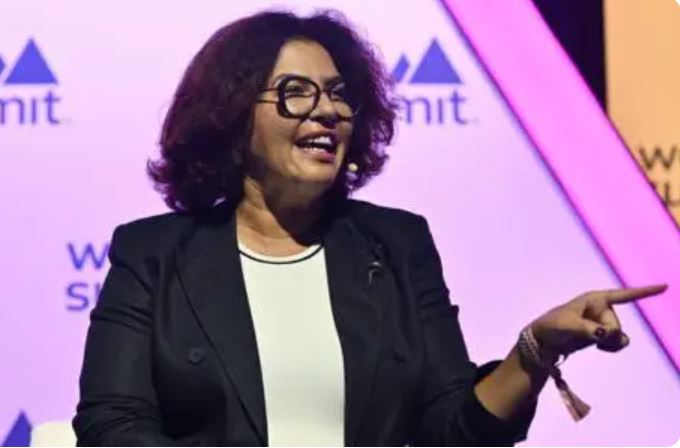
Why is the gender gap more evident in tech positions? Why women are underrepresented in emerging roles linked to Blockchain, AI of Machine Learning?
Despite significant advancements in technology, women remain underrepresented in high-growth fields such as Blockchain, AI, and Machine Learning. In the Mediterranean, this gender gap is particularly visible in tech roles. According to the European Commission, only 30% of the workforce in IT and digital tech positions is female, with even fewer women in emerging roles like AI and Blockchain. This underrepresentation is largely due to historical biases, lack of mentorship, and gender stereotypes that discourage women from pursuing STEM careers.
In the South Mediterranean, cultural norms often push women away from technical fields, and the lack of female role models exacerbates the issue. The underrepresentation of women in these fields can be addressed by promoting STEM education for girls from an early age and creating mentorship networks that encourage women to pursue careers in technology. In addition, companies can adopt policies that prioritize diversity in recruitment for tech positions.
Apart from technology, what is the key role of the green economic transition in advancing towards a more inclusive business models regarding women empowerment?
As the world shifts toward more sustainable business models, the green economy offers numerous opportunities for women in sectors like renewable energy, sustainable agriculture, and green finance. According to a report by the International Renewable Energy Agency (IRENA), women are significantly underrepresented in the energy sector, making up only 32% of the workforce globally, but this gap offers an opportunity for future growth. Investing in green sectors can create jobs and business opportunities for women, especially in the South Mediterranean where employment opportunities for women are lower. Furthermore, green finance initiatives can ensure that women have equal access to investments in climate-focused projects, which are becoming increasingly central to both the private and public sectors. Empowering women through green economic policies is not only beneficial for their economic independence but also supports broader environmental goals, as women tend to reinvest in their families and communities, contributing to long-term sustainable development.
Investing in green sectors can create jobs and business opportunities for women, especially in the South Mediterranean where employment opportunities for women are lower. Empowering women through green economic policies is not only beneficial for their economic independence but also supports broader environmental goals, as women tend to reinvest in their families and communities
Finally, what is the influence of women as a driving force of social change?
Women are powerful agents of social change. When women are empowered economically, they not only improve their own lives but also contribute to broader societal advancements. In the Mediterranean, women have played key roles in driving positive change, from social entrepreneurship to environmental sustainability. Studies show that women’s participation in leadership roles leads to more inclusive, transparent, and socially responsible business practices. By investing in women’s financial inclusion, education, and leadership, we can unlock a powerful force for social change that benefits not only women but society as a whole. The Mediterranean region, with its rich diversity and unique challenges, stands to gain immensely from fostering gender equity in business and technology.