
Events Ascame/ November 25, 2024/ Featured, Ascame projects
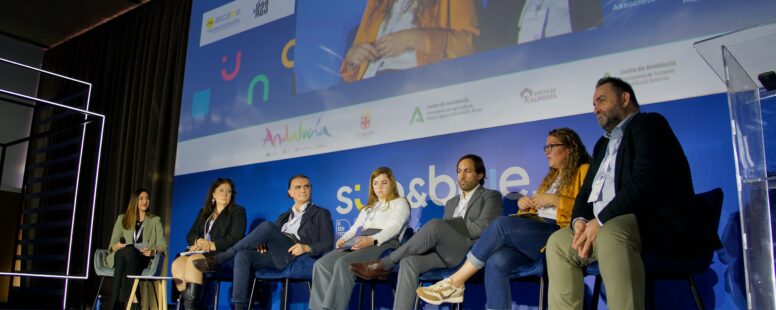
ASCAME participated in several side events in the framework of the Sun & Blue Congress, the most important event on tourism and the blue economy in Europe which was held in Almería (Spain) from the 20th to 22nd of November. The first session in which ASCAME participated was ‘Climate adaptation in tourism: Building capacity and policy integration’. This was an interactive session organized by the Interreg Euro-MED Programme, along with two European projects belonging to the Interreg Euro-MED Programme:
- Dialogue4Tourism (D4T), a project aimed at establishing a dialogue between the project partner institutions and associated partners to smooth sustainable tourism policies in the Mediterranean at local, regional, and national levels and between different Programmes and Strategies at European and Med.
- Community4Tourism (C4T), which contributes to the Sustainable Tourism Mission of the Interreg Euro-MED Programme by increasing coordination and institutional capacity to make tourism greener, smarter, and more resilient.
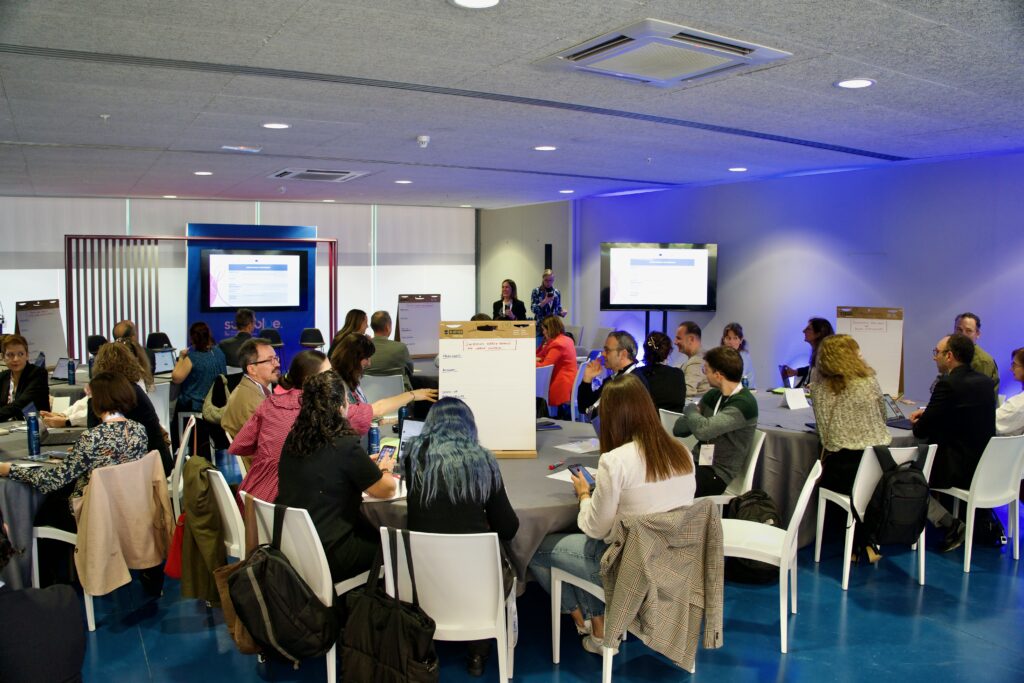
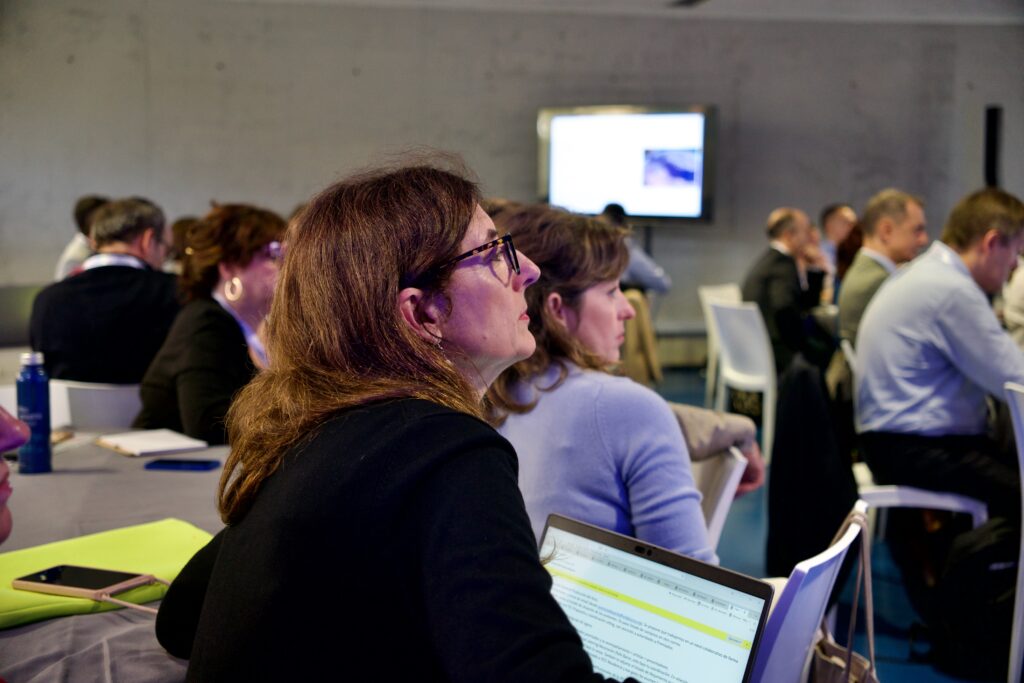
The session, conducted by The Travel Foundation representatives Ms. Alicia Fajardo, Sustainable Tourism Specialist, and Ms. Martina Bradacova, Programmes Assistant, was an excellent opportunity to develop climate action plans in the tourism sector. These are some of the key topics shared within the session:
- A climate action plan is a roadmap for adapting operations to the realities of climate change (e.g., reducing emissions).
- The Glasgow Declaration, adopted after COP26 called for developing a climate action plan for reducing emissions in the tourism sector by 2030.
- The sustainable tourism is a common challenge for all the Mediterranean countries. For this reason, no country can face this challenge alone. It is necessary to foster public-private cooperation.
- 3 key steps to address climate adaptation: Climate planning (resilient cities to promote sustainable actions), natural based solutions for coastal areas, enlarging tourism experiences in space (not just on the coast) and time (not only focused in July and August).
This event culminated in a policy debate on ‘Adapting and Mitigating Climate Change in Tourism: Strategies & Policies’ highlighting the views of a wide range of stakeholders, from representatives of regional tourism networks, environmental and development organisations, corporate ocean responsibility advocates, to initiatives for the sustainable development of the blue economy in the western Mediterranean region.
Sustainable Tourism in the Western Mediterranean
The second event in which ASCAME participated was ‘Sustainable Tourism in the Western Mediterranean – Launch of the WestMED Tourism Technical Group’. The session, organized by West Med Blue Economy Initiative -a joint partnership supported by the European Commission– was an excellent opportunity to launch a new technical group on sustainable tourism. This event began with the welcome session by Ms. Marta Pascual and Ms. Stephanie Vella from WestMed, who said that one of the key objectives of the WestMED initiative is to “strengthen the competitiveness and sustainability of the coastal and maritime tourism sector, as part of a smart and resilient blue economy”. They added: “All this, preserving the marine and coastal environment, as well as the marine cultural heritage, and contributing to the attractiveness of coastal areas through ecotourism, digitalization, and mobilization of public-private investments”.
At her turn, Ms. Adriana Salazar, Expert in Sustainable Blue Economy and Member of the Blue Economy Division at the Union for the Mediterranean (UfM), talked about ‘Scaling up sustainable maritime and coastal tourism transformation in the Mediterranean’. Ms. Salazar highlighted some projects labeled by the UfM, such as TouMaLi -Tourism Marine Litter-, which contributes to the sustainable waste management systems in the tourism sector) and the Plastic Blusters Project, which prevents, reduces, and removes marine litter from the Mediterranean.
Then, Ms. Lisa Simone de Grunt, Programmes Director of the World Ocean Council (WOC), talked about ‘Leadership Community on Sustainable Tourism within the MED’. She reflected on the need to move towards a sustainable tourism model in the Mediterranean based on digitalization, eco-tourism & eco-smart practices, and nature-based options. She insisted on the need to foster public-private cooperation and put the example of the WOC, which is a global, cross-sectoral ocean industry leadership alliance committed to ‘Corporate Ocean Responsibility’.
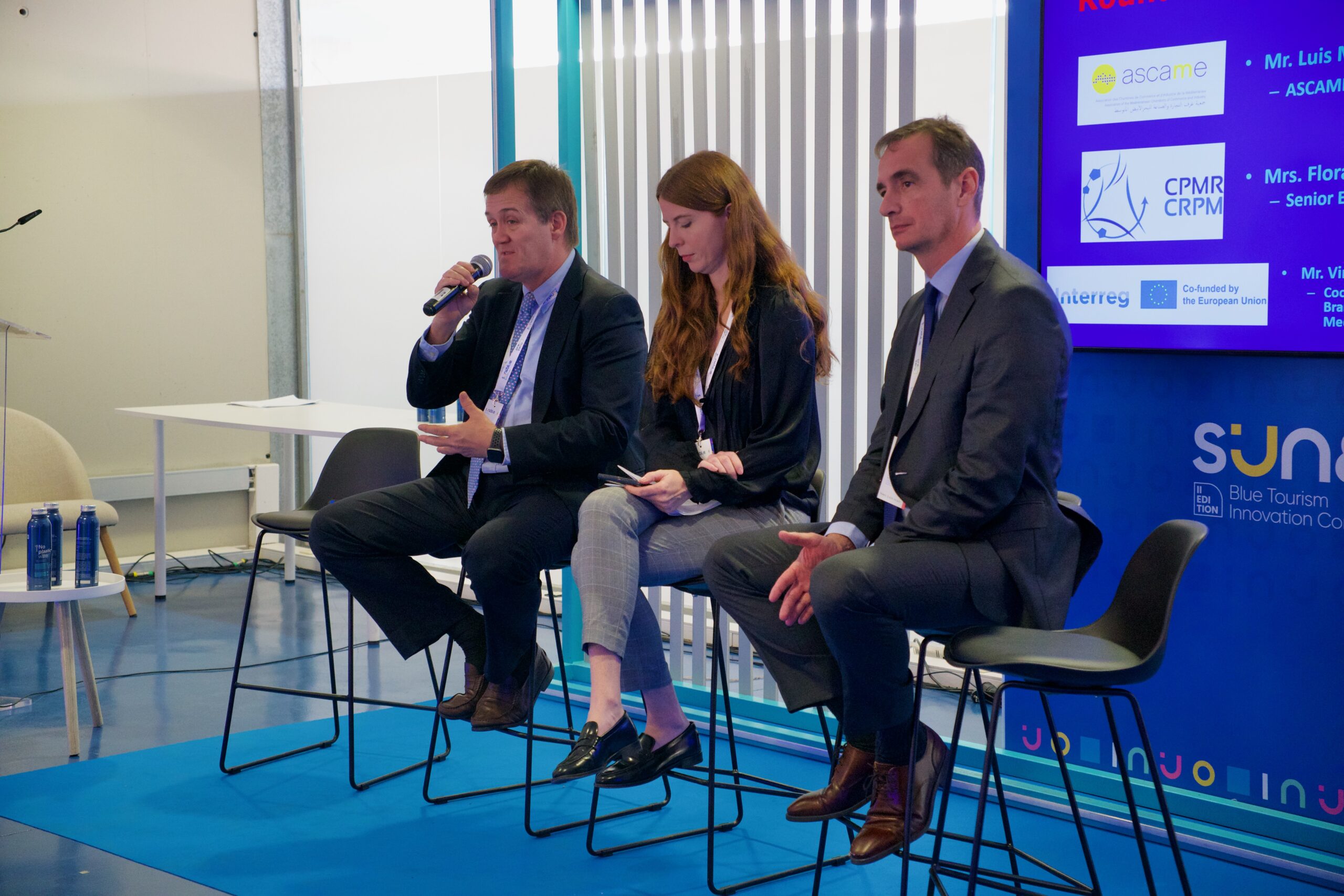
After these interventions, a round table composed by Ms. Flora Leroy from the Conference of Peripheral Maritime Regions (CRPM), Mr. Vincent Ernoux from Interreg NEXT MED and Mr. Luis Miranda from ASCAME, presented their institutions and talked about the relevance of taking part in the new “Advisory Board” on sustainable tourism launched by WestMed. Regarding the private sector, Mr. Luis Miranda highlighted the importance of transferring the best practices and sharing knowledge on sustainable tourism with the Chambers of Commerce to enhance the skills of the private sector. He also pointed out the need to give voice to the companies in the “Advisory Board” to have a first hand information about their problems. In the same line, Ms. Flora Leroy commented the importance to hear also the “Communities” in the Advisory Board. From the funding perspective, Vincent Ernoux said that the NEXT MED Programme is considering the tourism sector as a transversal and cross -cutting issue due to its impact on different sectors in terms of sustainability.
The session ended with some key issues raised by the public such as the need to involve citizens in sectoral discussions as well as big sectoral actors from the private sector with a key role in making tourism a more sustainable sector.
Sustainable practices in the cruise sector
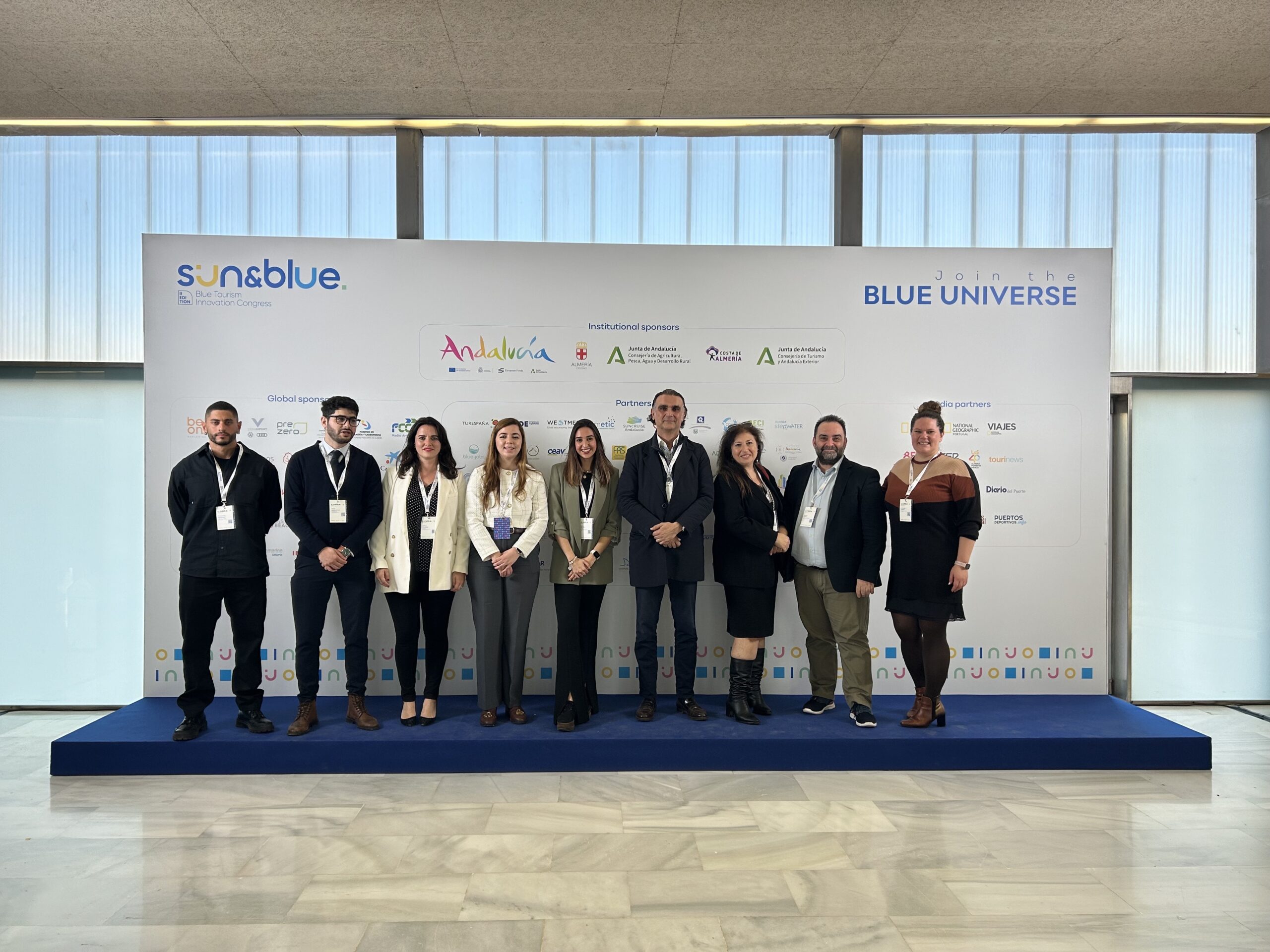
ASCAME was also one of the partners of the ‘Sustainable Tourism on the Mediterranean & LEGO® SERIOUS PLAY® Workshop Demo’, a side event included in the Sun & Blue Congress which was organized by the ECOCRUISING FU_TOUR Project and X23 – The Innovation Bakery. It was a great opportunity to get together with all the key players of the blue economy sector and also to share the achievements and lessons learned during the project’s duration. The event began with the keynote ‘Sustainable Tourism & Cruising: A Holistic Vision’ given by Mr. Fabio Laborda, Manager of Fundación Bahía Almeriport, who highlighted the positive impact of sustainable tourism on local economic development, cultural preservation, and environmental protection, as well as improving the quality of life for host communities. Mr. Laborda told about the Port of Almería, which is a crucial economic driver for the Andalusian region, supporting local industries, promoting tourism, and facilitating international trade. It is vital for the import/export of goods and serves as a significant employment hub.
Next was the round table ‘Next-Gen Cruise Industry: Innovation, Sustainability, and New Experiences’, moderated by Ms. Andrea Mullerat, ASCAME’s Corporate Development & Marketing Manager, with the participation of the following experts and representatives from Mediterranean institutions and European projects linked to the blue economy: Mr. Jamil Ouazzani, Director of Marketing & Strategic Intelligence at the Tangier City Port, Ms. Nesrine Rekia, Associate, Strategy & Marketing Manager at Leancubator, Mr. Ioannis Pappas, Founder & CEO of Green Evolution, Ms. Elena Di Raco, Market Research & Statistics Manager at ENIT – Italian National Tourist Board, Ms. Celia Murcia, Founder & CEO of Blue Jobs and WestMED AM Coordinator, Mr. Luis Roby, CDO & Board Vice-President at Grupo Érre, and Ms. Yiota Fotiou, Associate Research at CMMI – Cyprus Marine and Maritime Institute.
These are some of this session’s main takeaways:
- Engaging local communities through workshops and conversations on how to apply sustainability practices that support local economies, preserve cultural heritage, and empower residents to participate in decision-making.
- Collaboration with SMEs and local institutions to ensure the successful implementation of sustainable practices.
- Smart and digital solutions to minimize environmental impact. Experts talked about using low-carbon technologies to reduce emissions in ports (e.g. using Liquefied Natural Gas- LNG for big boats or the provision of shoreside electricity -SEE).Changing tourism behavior, focusing on young generations
- Upskilling and reskilling for blue jobs. As the blue economy continues to expand, new skills are crucial for driving sustainable growth and ensuring the health of ocean ecosystems. The ECO-CRUISING Capacity Building Program focuses on instilling skills and knowledge in marine and tourism-related policies, actions, and digital competencies.
The event concluded with an immersive virtual experience aboard a state-of-the-art cruise facilitated by CSM. The inclusion of VR technology will promote eco-friendly tourism practices, by combining eco-conscious activities with cutting-edge technology to create memorable travel experiences tailored to the younger generations.