
Events Ascame/ May 14, 2024/ Ascame members, Featured
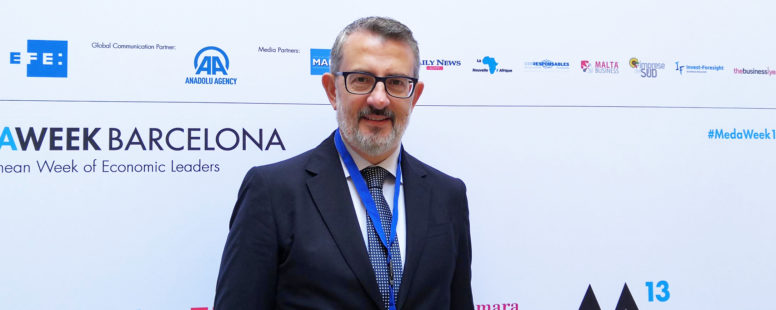
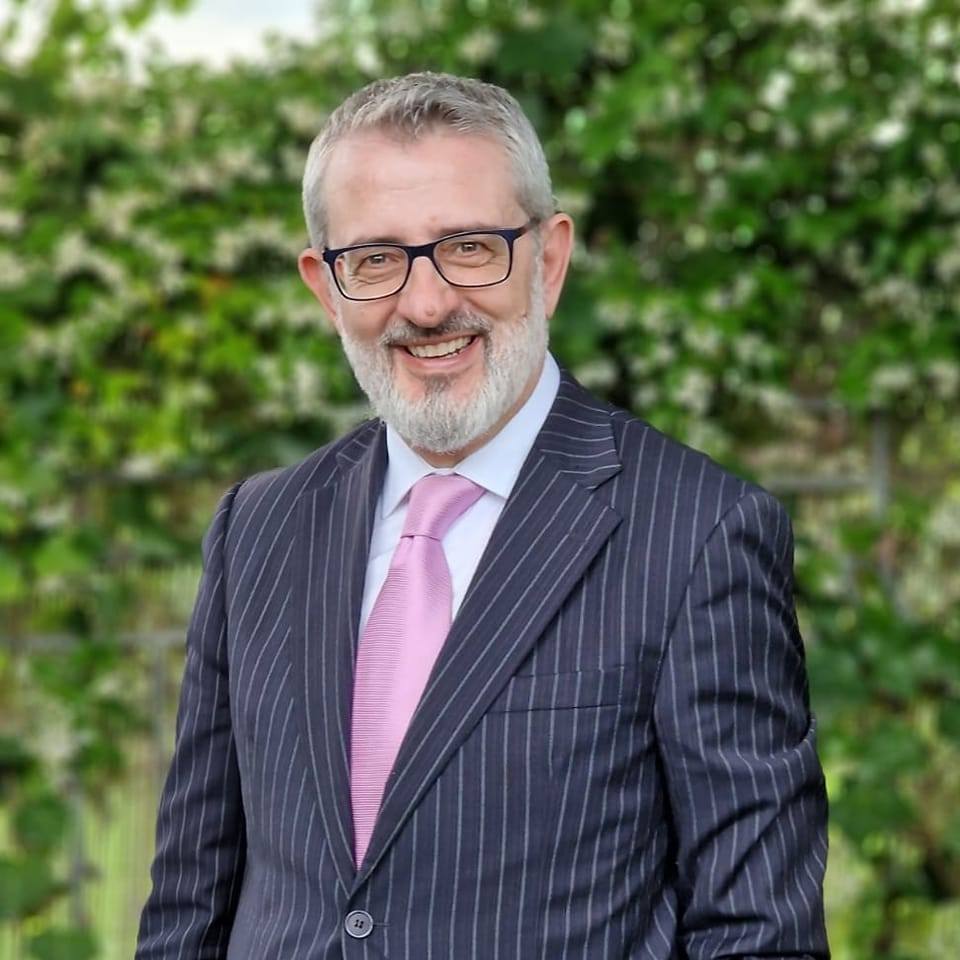
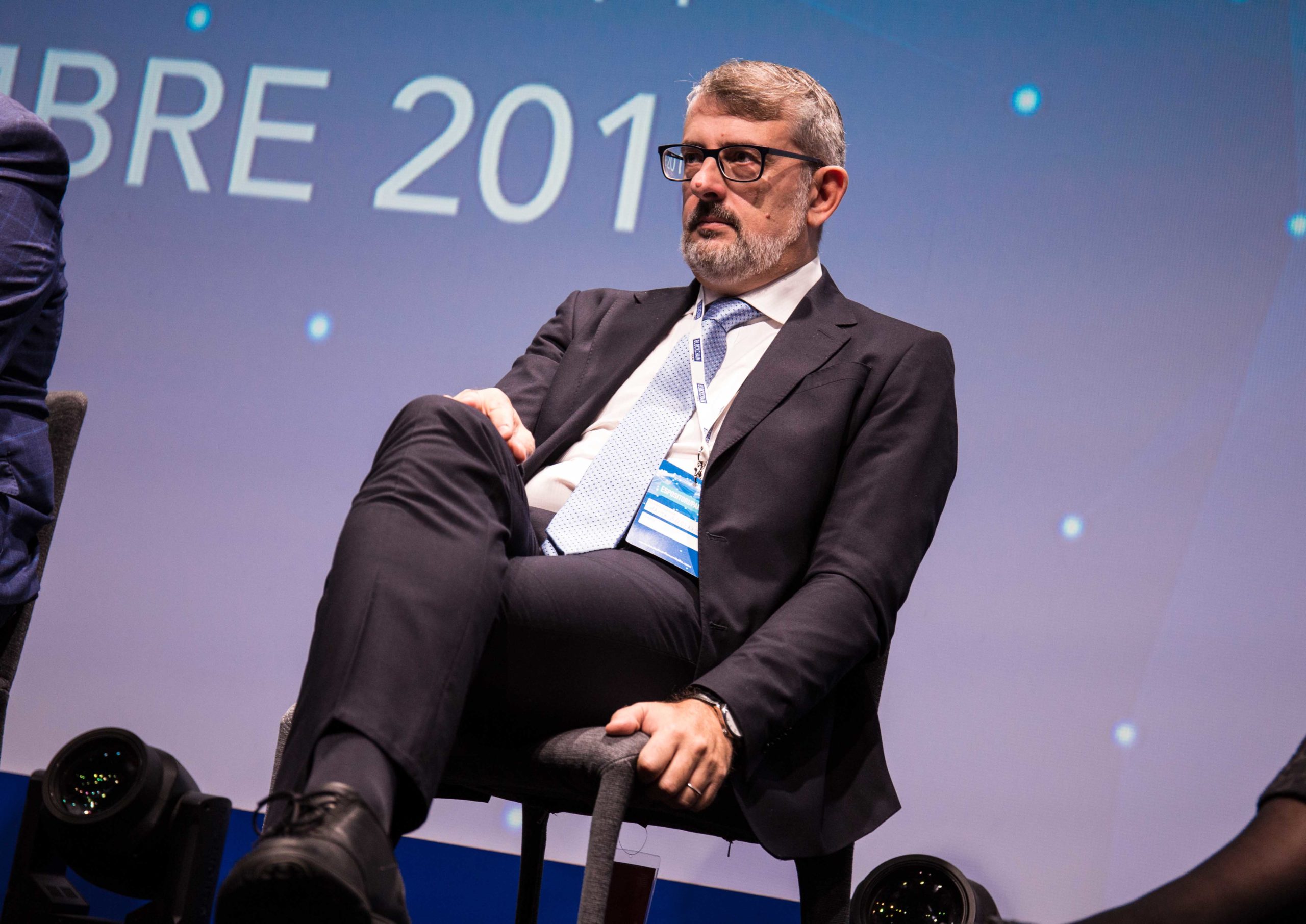
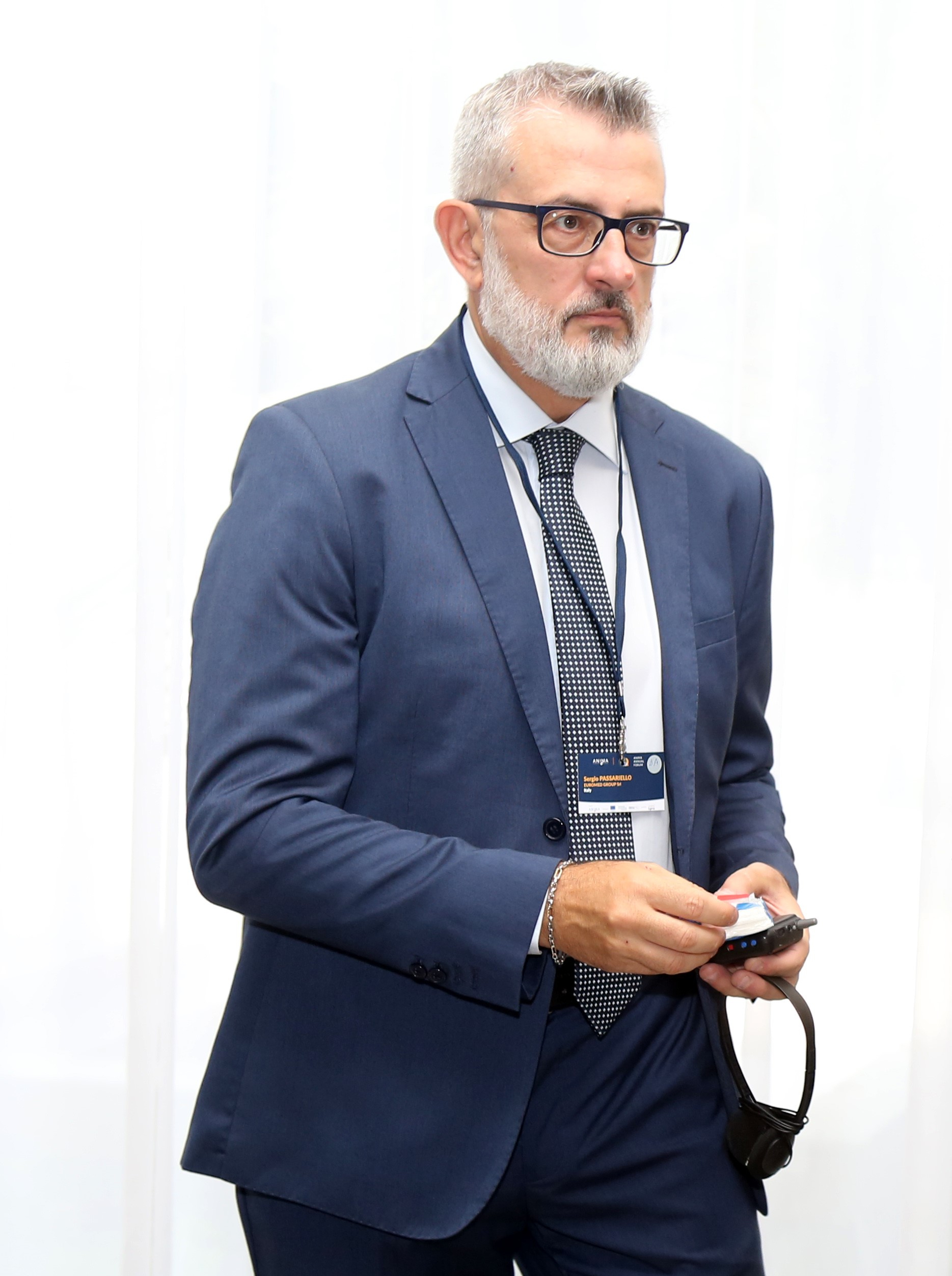
In 2020, ASCAME signed a partnership agreement with Euromed Group, a consulting company that designs solutions ‘ad hoc’ addressed to SMEs to improve and internationalize their business. The main goal of the agreement was to contribute to the economic development of the Mediterranean and also to support local businesses in their international expansion. Euromed Group has a wide expertise in strengthening trade and technological relations in Italy, Malta, North Africa and even in Canada by collaborating on several innovative projects. Through its projects –Malta Business Project, focused on EdTech sector, CETA Project, which has made possible a direct bridge between Canada and Europe, and the North Africa Project, which has represented a great opportunity to connect Mediterranean SMEs with the innovative companies from North Africa-. In the following interview, Mr. Sergio Passariello, CEO of Euromed Group and CEO of the Mediterranean Academy of Culture, Technology and Trade, tells us about this consultancy contribution to the Mediterranean economic development. In addition, Mr. Passariello reflects on the keys to successfully expand a business abroad, the digitalization challenge, the key role of local players or the need of cooperation in all the region.
What are the main needs of the companies that come to Euromed Group to look for advice to expand their business abroad?
SMEs turn to Euromed Group primarily to better understand the terrain on which they are about to set foot. This includes an in-depth analysis of specific market conditions in target countries, such as understanding consumer demand, existing competition, and local regulations. In addition, it is crucial to access adequate funding, which can come from various sources, including banks, government agencies and private investors. Another major challenge is logistical support because SMEs must navigate complexities such as international shipments and customs management. No less important is the need to overcome cultural and linguistic barriers, which requires specific skills to communicate effectively and build lasting relationships.
Is there any key to successfully approach the foreign market?
The key lies on the cultural and strategic adaptation to the specific context of the destination country. Each market has its own peculiarities, which can be cultural, economic, or legal, and understanding these aspects is crucial to avoid costly mistakes and to maximize opportunities for success. An effective approach is to tailor the offer to local needs and expectations while maintaining the high quality and identity of the brand. It is also essential to build strong long-term relationships with local partners, who can provide invaluable support in terms of logistics, marketing and understanding of local market dynamics. In short, the ability of an SME to successfully integrate into a new market depends on its flexibility, the depth of its preparation and its commitment to understanding and respecting the local context in all its nuances.
What business opportunities offers the Mediterranean region to both SMEs and start-ups?
The Mediterranean region is a melting pot of unique opportunities for SMEs and startups, especially given its diversity and economic dynamism. Despite challenges, such as cultural and linguistic diversity, these same differences can turn into competitive advantages if well managed. Businesses that can customize their products or services to fit the peculiarities of these markets can find particularly profitable market niches. Another distinctive feature of the region is the presence of a young and qualified workforce, ready to contribute new ideas and skills. This is crucial for startups and SMEs that need innovation and agility. In addition, geographical proximity to the vast and diverse European economy provides simplified access to one of the world’s largest markets, allowing businesses to take advantage of efficient logistics chains and easier export. We must not forget that many governments in the Mediterranean region are actively encouraging investment through tax breaks, subsidies, and financial facilities, which can significantly reduce the economic burden on new businesses and further stimulate growth.
The Mediterranean region is a melting pot of unique opportunities for SMEs and startups, especially given its diversity and economic dynamism. Despite challenges, such as cultural and linguistic diversity, these same differences can turn into competitive advantages if well managed
You said: “Internationalization does not only mean enabling the company to make contact with foreign countries, but also, and above all, deciding how to do so”. Could you explain this idea?
For Euromed Group, internationalization is a deep strategic choice, which goes beyond simply establishing contacts abroad. For us, deciding how to internationalize is as crucial as deciding to do so. This process begins with a detailed understanding of the target market, considering not only the economic opportunities but also the specific cultural, legal and operational challenges. Taking the right approach means carefully considering whether to export directly, make strategic alliances or establish a physical presence through subsidiaries or joint ventures. Each choice involves different levels of commitment, resources, and risks. Moreover, a well-planned internationalization strategy must be sustainable in the long term. This requires an ongoing commitment to understanding and adapting to changing market conditions and to building lasting relationships that can support the company’s growth and expansion.
In your opinion, “companies should analyze not only international groups but also local players in the market of interest”. Why local players are so important when internationalizing a business?
A crucial aspect of internationalization that is often overlooked is the importance of analyzing not only large international groups but also local players in the relevant markets. On one hand, local actors have a deep knowledge of the cultural and commercial context of their market, an understanding that can prove invaluable to an outside company looking to penetrate that environment. On the other hand, considering local actors allows companies to anticipate potential competitive challenges and position themselves more effectively. This may involve adapting products or services to better meet local needs or developing targeted marketing strategies.
In what sense when internationalizing a service, or product of a franchise, do companies need a proper and competitive digital promotion?
Within the current the digital era, the internationalization of a service, product or franchise requires a digital promotion that is not only adequate but highly competitive. This is because digital breaks down geographical barriers and allows a company to reach global consumers relatively easily. However, this facilitated access also leads to intensified competition. A company that wants to make a difference must develop an online presence that is visible and attractive, leveraging digital marketing strategies such as SEO, social media, and content marketing to capture the attention of its target audience. Apart from this, proper digital promotion must be culturally adapted to the various markets, considering local preferences and consumer specificities. This combination of global visibility and local personalization is critical to success in today’s highly digitalized international arena.
A crucial aspect of internationalization that is often overlooked is the importance of analyzing not only large international groups but also local players in the relevant markets, who have a deep knowledge of the cultural and the commercial context of their market
Is digitalization still an obstacle for many Mediterranean companies that want to expand their business beyond their borders?
Digitalization represents a great opportunity for Mediterranean companies but also a significant challenge. Barriers are not only technological but also cultural and structural. Many SMEs in the Mediterranean region are accustomed to traditional business models and may find it difficult to adopt new technologies and digital processes. This is further complicated by limited access to advanced digital skills and adequate technological infrastructure. Moreover, local legislation may not always be aligned with the needs of a digital economy, creating additional obstacles. Companies must therefore navigate in an environment where regulations are constantly changing and can vary significantly from one country to another. The key to overcoming these challenges lies in fostering cultural change that enhances innovation and technological adoption. Mediterranean companies need to invest in training and developing their employees’ digital skills. Collaboration with technology partners and openness to invest in digital technologies can accelerate this process. Companies must leverage any available government support, such as tax incentives or support programs, that can facilitate the digital transition.
What business opportunities have been established between Italy and Malta, Canada and North Africa thanks to the three Euromed Group projects (Malta Business Project, CETA Project and North Africa Project)?
Euromed Group has collaborated on several innovative projects between Italy, Malta, Canada and North Africa. We start with the Malta Business Project, focused particularly on the EdTech sector. We have assisted several companies in developing their business model in Malta, helping them to obtain licenses and innovate with new technologies. Moving on to the CETA Project, we created a direct bridge between Canada and Europe with the Ceta Business Forum, which in its first edition in 2022 was attended by over 300 delegates, including 50 speakers. The event drew attention to possible synergies, while the Ceta Business Network, the first social platform dedicated to relations between Canada and Europe, facilitated a wider network of interactions and collaborations. In the North Africa Project, our commitment focused on creating strategic partnerships for participation in European projects, collaborating closely with ASCAME and the Anima Investment Network. These projects not only strengthen economic relations between these regions but also create new business opportunities, promoting a cultural and technological exchange that is crucial for sustainable and mutually beneficial progress.
Cooperation promotes political stability and economic growth, creating a safer and more prosperous environment for all. By working together, we can develop sustainable solutions that respect and preserve our shared natural resources, thereby ensuring a better future for generations to come
In your opinion, what is the potential of the African continent in providing technological and sustainable solutions to other Mediterranean countries?
Africa, with its rapid urbanization and its young and increasingly technologically literate population, has demonstrated a remarkable capacity for technological leap. It is emerging as a living laboratory for innovative solutions in areas such as renewable energy, fintech and sustainable agriculture, which are also crucial for the Mediterranean.
Why cooperation is more necessary than ever to advance towards a more prosperous, peaceful, and greener Mediterranean?
Cooperation promotes political stability and economic growth, creating a safer and more prosperous environment for all. By working together, we can develop sustainable solutions that respect and preserve our shared natural resources, thereby ensuring a better future for generations to come. This type of synergy is crucial to address the complexities of our time and turn challenges into opportunities.
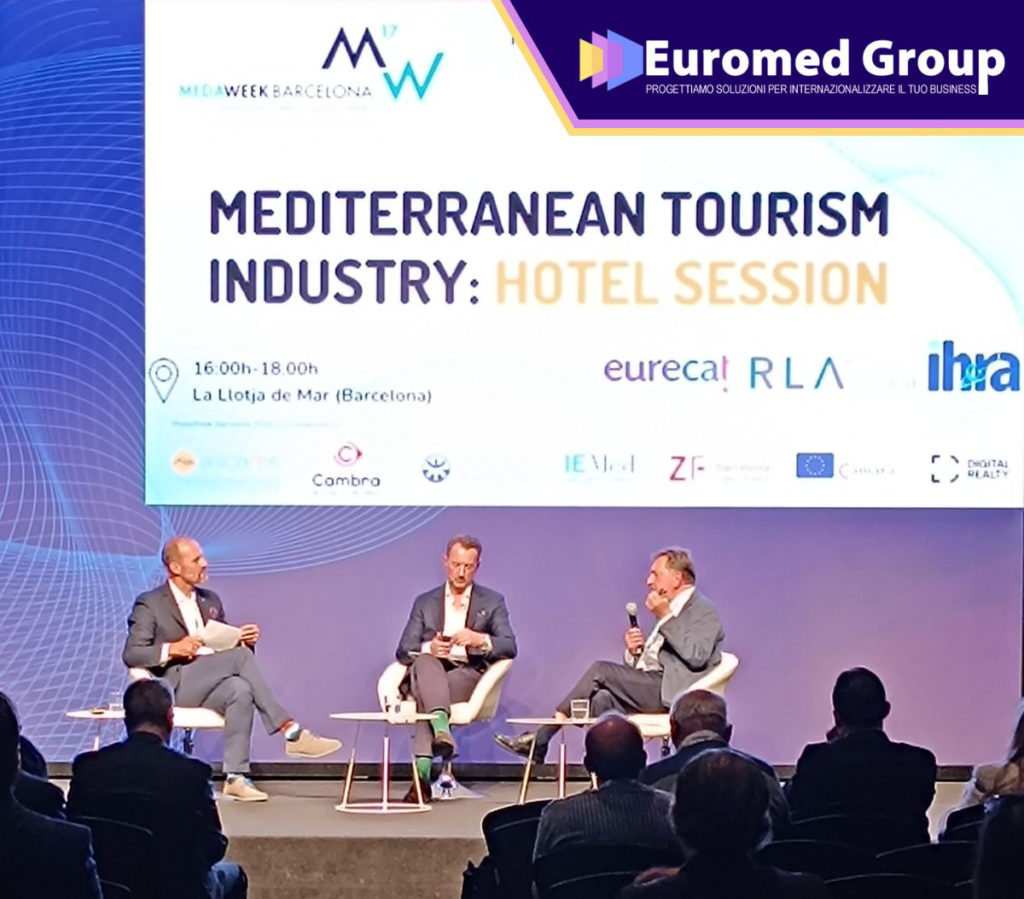
Could you tell us about your role as CEO of the Mediterranean Academy of Culture, Technology and Trade? What milestones would you like to highlight?
As CEO of the Mediterranean Academy of Culture, Technology and Trade, my mission is to lead this institution of higher education located in the heart of the Mediterranean to face the challenges and grasp the visions of our time. The Academy, based in Malta, is a crossroads of cultures and innovation, where we explore diverse topics such as cultural planning in the digital age, new immigration dynamics, urban cultural strategies, management of complex systems and data, and the future of cities in terms of energy sustainability and capital. One of the main objectives of our Academy is to integrate and enhance Mediterranean cultures while keeping local traditions rooted. Our commitment is to transform the Academy into a high-level training centre for European managers offering educational programs open to students from all nations and promoting initiatives to implement academic and scientific collaboration between universities, institutes, and research centers.
Finally, are you optimistic about the future of the Mediterranean region? What are in your opinion the most urgent challenges to face in the short term?
Yes, I am. I firmly believe in the potential of this historic area, which has always demonstrated extraordinary resilience and adaptability. Despite challenges, such as the need for greater economic integration and the fight against climate change, I see a growing spirit of cooperation between the nations of the Mediterranean. This spirit is essential to addressing issues such as environmental sustainability, immigration, and inclusive economic growth. The most pressing challenges include strengthening the economic and social infrastructure and promoting policies that promote a fair distribution of resources and opportunities. With these actions, I am convinced that the Mediterranean will continue to be a vibrant centre of culture, commerce and innovation.