
Events Ascame/ May 15, 2026/ Ascame members, Featured
Last April, ASCAME President Dr. Josep Sanacreu held an online meeting with Ms. Albana Laknori, Secretary General of the Tirana Chamber of Commerce and Industry (CCIT), to explore how ASCAME can support Albanian enterprises in aligning with EU legislation and expanding their regional presence. Shortly afterward, during a meeting in Barcelona with Prime Minister Edi Rama, Dr. Santacreu reiterated ASCAME’s interest in understanding Albania’s priorities for foreign investment and economic development. These topics were further discussed with Mr. Loritan Persa, Vice President of the Chamber, during the most recent ASCAME Executive Committee meeting held in Marseille (France).
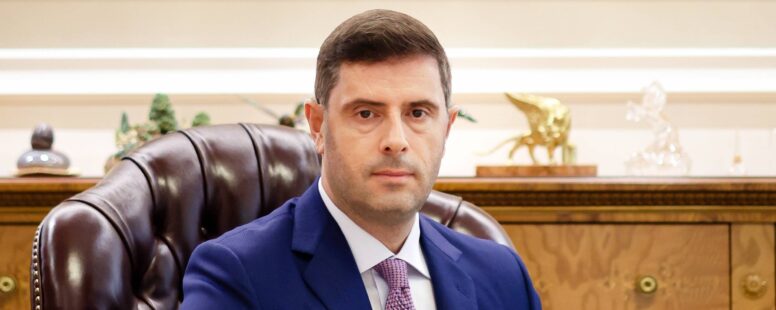
To further deepen this dialogue and highlight the strong relationship between ASCAME and CCIT, we spoke with Mr. Nikolin Jaka, President of the Tirana Chamber of Commerce and Industry. In our conversation, he reflected on the Chamber’s mission, the growing synergies between Albanian and Catalan companies – from manufacturing and logistics to tourism, green energy, and agro industry – and the strategic importance of the Pact for the Mediterranean, where he sees the private sector playing a decisive role in driving regional integration, investment, and connectivity.
How would you describe the core mission of the Tirana Chamber of Commerce & Industry today?
The core mission of the Chamber today is twofold. First, it serves as the institutional voice of the business community, protecting and advancing the economic interests of its members. Our institution acts as a bridge between businesses and central or local government, ensuring that the private sector’s concerns, priorities, and proposals are heard in policymaking. It also represents the Albanian business community internationally, building partnerships and signing cooperation agreements that expand opportunities for our companies. Second, the Chamber provides practical, high-value services that help businesses grow. This includes facilitating the movement of goods, promoting member companies in national and international markets, and creating platforms for connection, from B2B missions and trade fairs to targeted matchmaking with potential investors and foreign partners. Through these services, the Chamber helps businesses access new markets, strengthen competitiveness, and build sustainable commercial relationships. By 2026, our goal is to be a proactive and trusted partner that drives a sustainable, innovative, and European-oriented economy.
How does the Chamber ensure that the voice of the private sector is heard in national policymaking?
The CCIT acts as a unified and credible voice for the private sector. It advocates for better-designed sectoral policies, from fiscal frameworks to administrative barriers and investment climate reforms. Beyond reacting to challenges, the Chamber functions as an institutional partner to government, an economic think tank, and a bridge between policymakers and the private sector, ensuring that business perspectives shape national strategies. The CCIT also plays a formal role in key decision-making bodies, including the National Economic Council, the Investment Council, the National Employment Council, and the Trade Facilitation Committee/CEFTA. Through these platforms, it consistently represents and defends the interests of Albanian businesses at the highest levels.
The Chamber helps businesses access new markets, strengthen competitiveness, and build sustainable commercial relationships. By 2026, our goal is to be a proactive and trusted partner that drives a sustainable, innovative, and European-oriented economy
In your view, what has been the Chamber’s most significant contribution to Albania’s economic growth in recent years?
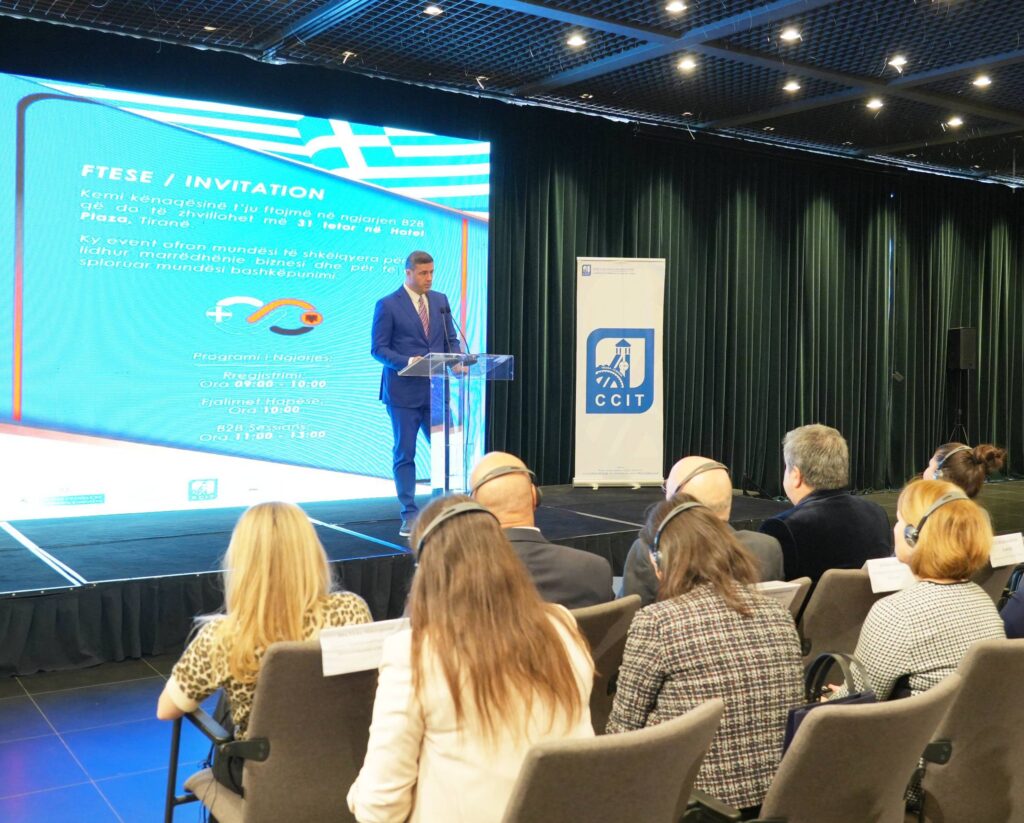
The Tirana Chamber of Commerce & Industry has contributed to Albania’s economic growth by improving the business environment, supporting SMEs, and expanding international opportunities for Albanian companies. Its work has helped reduce administrative barriers, promote entrepreneurship, strengthen key sectors like agriculture, tourism, and manufacturing, and advocate for a stronger legal framework for foreign investment. Through policy research, export promotion, and active engagement during global economic crises, the Chamber has provided both strategic guidance and practical support to the private sector.
What role do you believe the private sector should play in shaping and implementing the Pact for the Mediterranean?
The private sector should play a central role in shaping and implementing the Pact for the Mediterranean. CCIT Tirana sees the Pact as a major strategic opportunity: a new economic, energy, trade, and logistics corridor linking Europe with the Balkans, North Africa, and the Middle East. For businesses, the Pact should function as a platform for regional integration, a mechanism for trade facilitation, and a driver of cross-border investment. It opens concrete opportunities in ports and logistics, processing and export industries, energy and interconnectivity, tourism, and the blue economy. For Albanian companies, this translates into greater market access, integration into regional value chains, and expanded export and partnership opportunities. CCIT Tirana views the Pact not just as a political initiative, but as a historic chance to advance economic integration, sustainable development, infrastructure connectivity, and regional stability – ultimately creating a new Euro Mediterranean space for cooperation.
What are your expectations for the upcoming ASCAME initiatives linked to the Pact for the Mediterranean?
I expect ASCAME’s initiatives under the Pact for the Mediterranean to focus on expanding regional trade, strengthening business networks, and advocating policies that improve the Mediterranean business environment. This includes organizing trade fairs and matchmaking events, deepening cooperation among chambers of commerce, and pushing for more favorable regulatory and trade frameworks. I also anticipate initiatives that promote tourism and cultural exchange, as well as efforts to support cross-border projects in key sectors. Finally, establishing clear mechanisms to monitor progress and ensure accountability will be essential for turning the Pact’s objectives into measurable results.
The private sector should play a central role in shaping and implementing the Pact for the Mediterranean. CCIT Tirana sees the Pact as a major strategic opportunity: a new economic, energy, trade, and logistics corridor linking Europe with the Balkans, North Africa, and the Middle East
Catalonia is home to some of the Mediterranean’s most dynamic business leaders. Where do you see the strongest synergies between Catalan and Albanian companies?
Catalonia is one of the Mediterranean’s most innovative and export driven economies, and its strengths align closely with Albania’s emerging competitive advantages, creating strong opportunities for collaboration between Catalan and Albanian companies. Catalan expertise in manufacturing, technology, and industrial innovation matches well with Albania’s potential as a nearshoring destination for advanced tailoring, industrial components, furniture, metal processing, and agro processing, supported by competitive costs and proximity to EU markets. In logistics and port development, Catalonia’s world class experience complements Albania’s growing investments in transport corridors and trade facilitation. Tourism is another natural synergy: Catalan companies have deep know how in destination management, marina development, and year round tourism models, while Albania’s Adriatic Ionian coastline offers significant potential for value added tourism and blue economy projects.
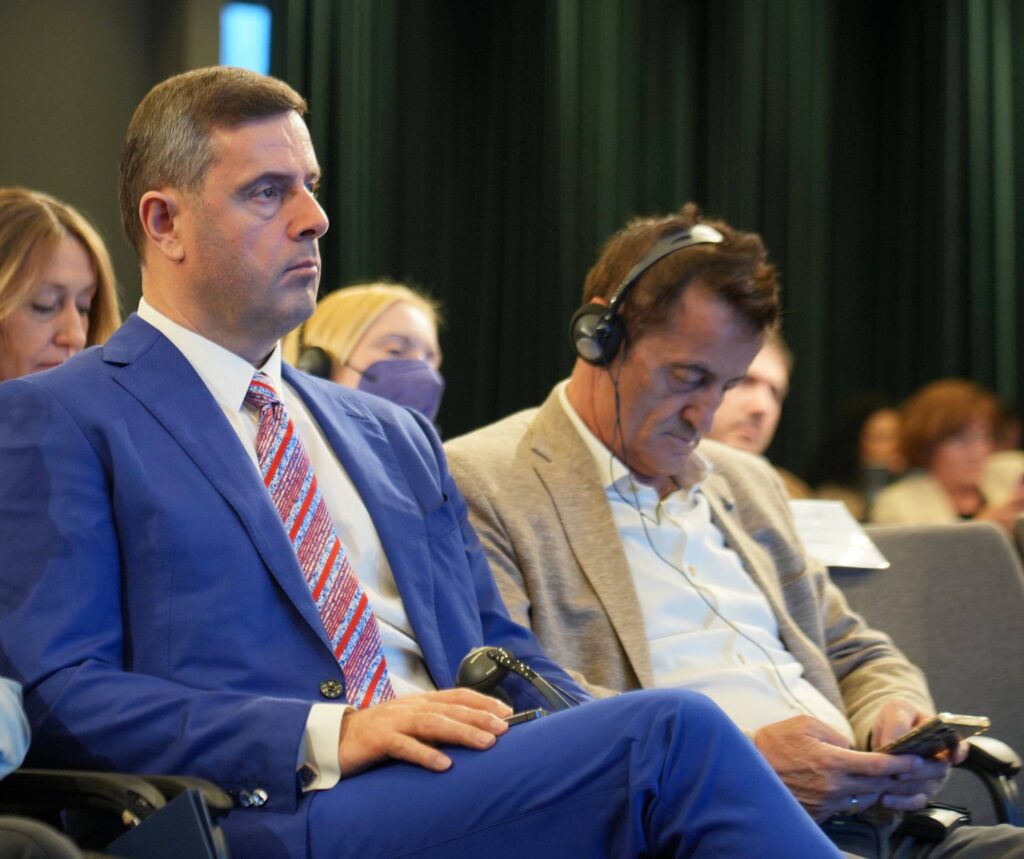
There is also strong complementarity in green energy, where Albania’s renewable resources and Catalonia’s leadership in energy efficiency, green technologies, and circular economy solutions can generate impactful partnerships. In agro industry, Catalonia’s advanced food sector aligns with Albania’s ambitions in processing, certification, and export development for EU markets. Finally, cooperation between the Tirana Chamber of Commerce & Industry and Catalan economic institutions can accelerate these synergies through joint forums, B2B platforms, and Euro Mediterranean initiatives that bring companies from both regions closer together.
How can Mediterranean Chambers of Commerce better engage with Balkan markets to foster long-term partnerships?
Mediterranean Chambers of Commerce can deepen their engagement with Balkan markets by building stronger institutional alliances and establishing stable networks that foster long-term cooperation among business communities. Regular trade missions and reciprocal business delegations are essential for fostering direct relationships, identifying investment opportunities, and helping companies develop effective market entry strategies. Equally important is coordinated advocacy: by presenting a unified voice in favor of freer trade agreements, simplified customs procedures, and policies that reduce barriers to doing business, Mediterranean and Balkan chambers can exert greater influence on their respective governments. Together, these efforts create a more integrated, predictable, and opportunity rich environment for sustainable regional partnerships.
Mediterranean Chambers of Commerce can deepen their engagement with Balkan markets by building stronger institutional alliances and establishing stable networks that foster long-term cooperation among business communities
In your view, which joint initiatives between ASCAME and the Tirana Chamber could have the greatest impact on regional economic integration?
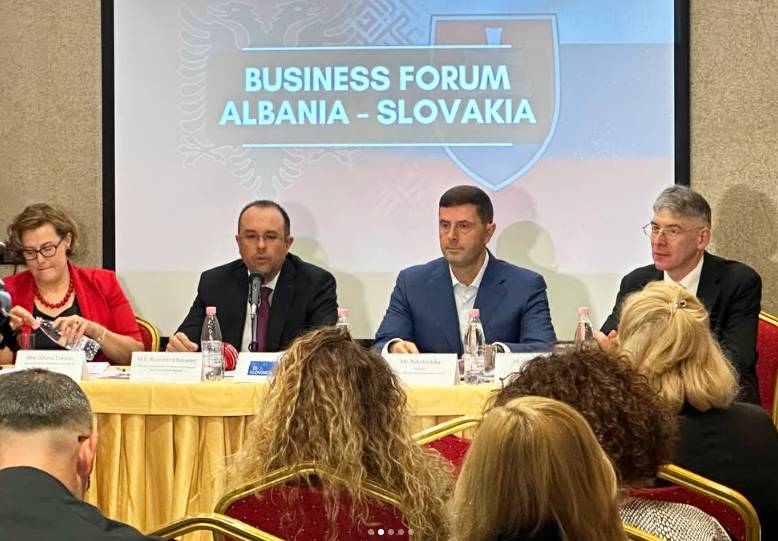
Joint initiatives between ASCAME and the Tirana Chamber with the greatest potential to advance regional economic integration include coordinated efforts to promote regional trade through joint fairs, business matchmaking, and networking activities; the strengthening of Mediterranean business networks to enhance cooperation among chambers, facilitate knowledge sharing, and support SME development; unified advocacy for more efficient regulatory frameworks, streamlined customs procedures, and improved trade agreements; collaborative tourism and cultural exchange initiatives that deepen regional ties and generate economic benefits; and the creation of shared monitoring mechanisms to track progress on commitments under the Pact for the Mediterranean, ensuring transparency, accountability, and sustained impact across participating countries.
How is the Chamber adapting to global economic trends such as digitalization, green transition, and new trade dynamics?
The Chamber of Commerce and Industry of Tirana is striving to adapt to major global economic transformations by focusing on three main pillars: digitalization, the green transition, and the internationalization of Albanian businesses. In terms of digitalization, DHTI-Tirana has expanded its involvement in European projects related to the digital transformation of SMEs, particularly start-ups, innovation, and technological education. A concrete example is the DERHE project, in which CCIT-Tirana collaborates with universities and European economic chambers to strengthen the digital readiness of higher education and its connection to industry. The project aims to develop skills in digitalization, automation, and modern business management. Furthermore, Albania is gradually connecting with European digital innovation ecosystems such as the “Digital Valley Albania (DiVA)”, which promotes the use of AI, cybersecurity, and smart technologies for Albanian SMEs. This creates a ground where DHTI-Tirana can also play an intermediary role between local businesses and European innovation.