
Events Ascame/ November 13, 2025/ Ascame members
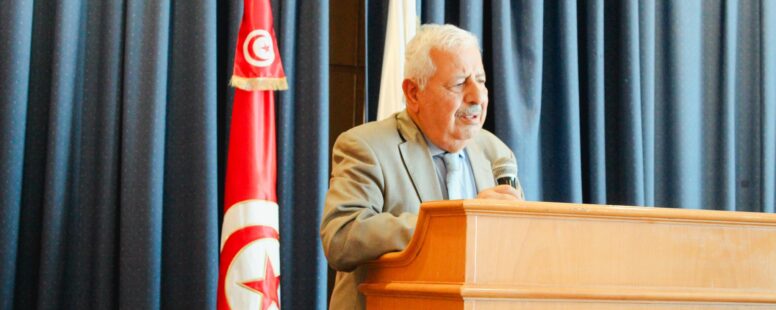
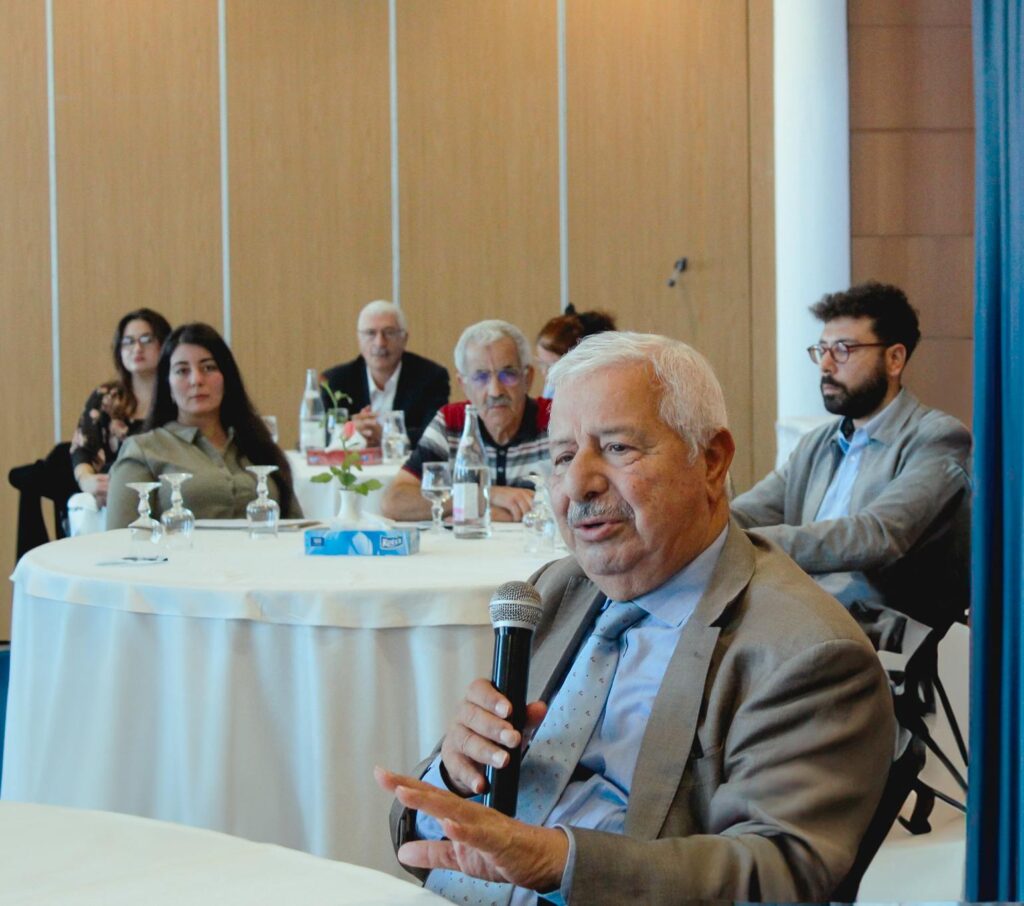
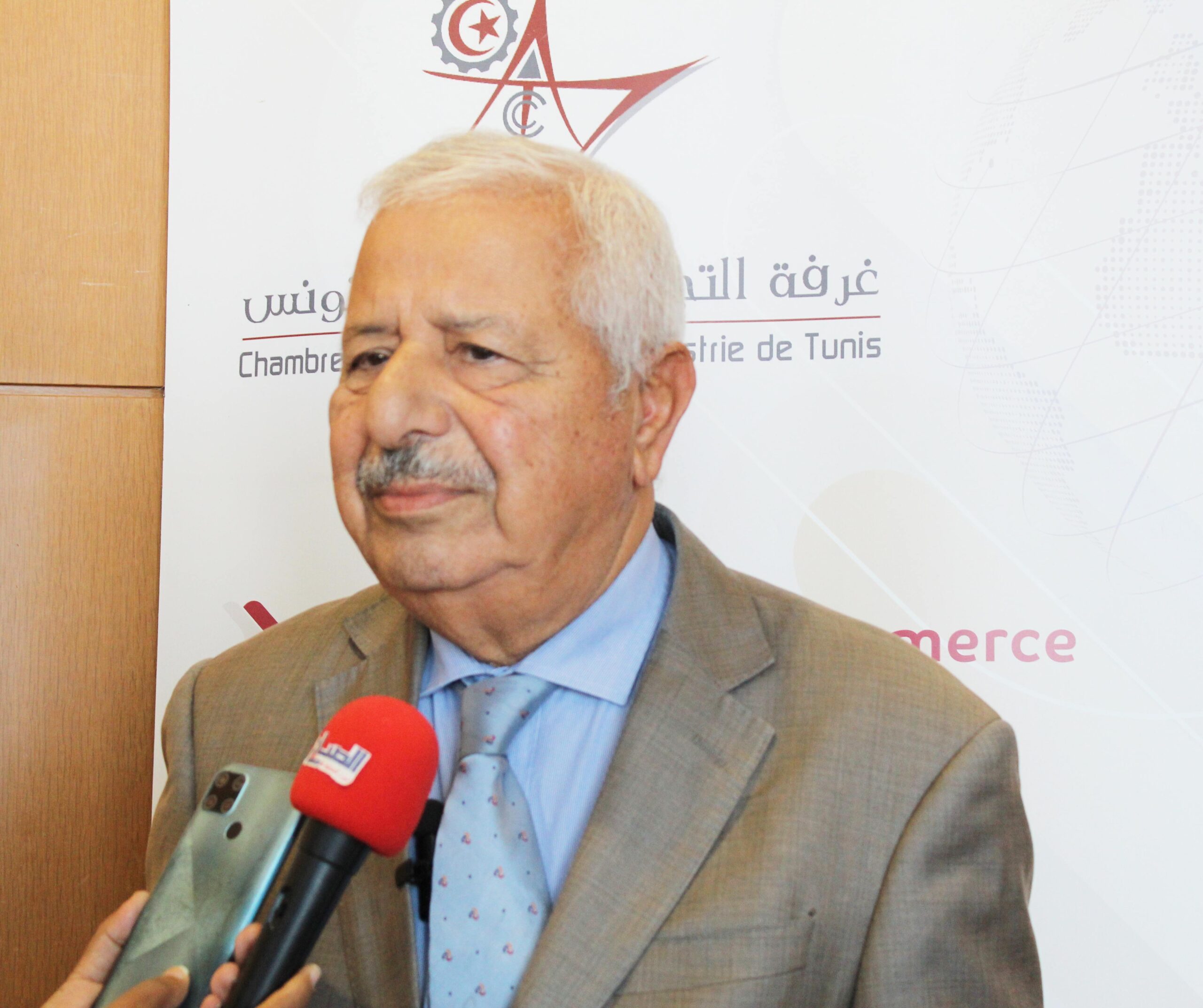
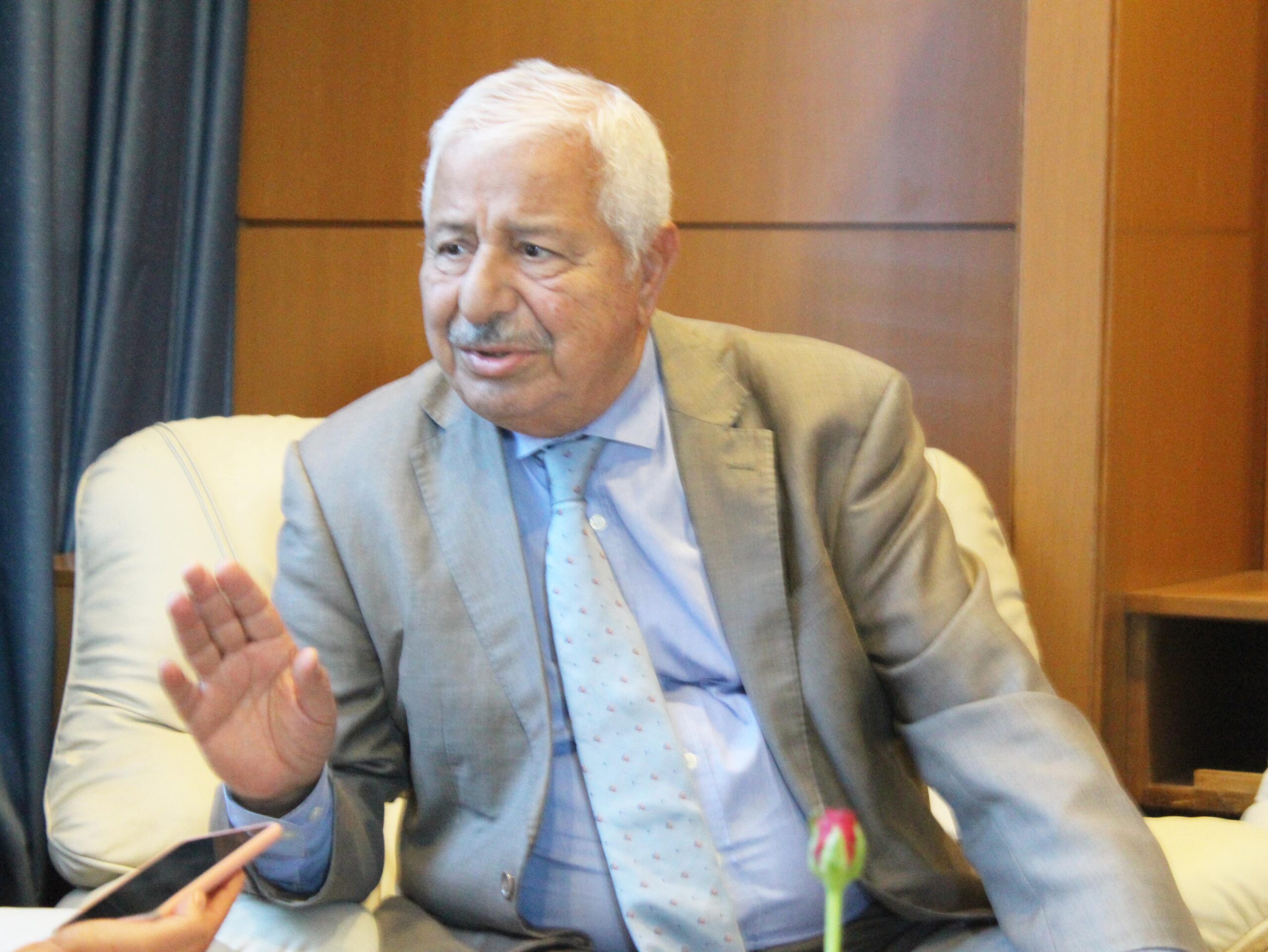
In an economic landscape shaped by both challenges and opportunities, the Tunis Chamber of Commerce and Industry (CCIT), a member of the ASCAME network, plays a strategic role in supporting the growth and competitiveness of Tunisian businesses. Under the leadership of Mr. Moncef BEN JEMAA, the CCIT is firmly committed to strengthening the competitiveness of local enterprises by facilitating their international expansion, attracting foreign investment, and promoting exports. Through these efforts, the Chamber seeks to stimulate economic growth, encourage investment, and contribute to improving the quality of life for citizens. At the same time, the CCIT has positioned itself as a key driver of sustainable development in the Tunis region, identifying sectors with strong growth potential and guiding businesses in their green transition and digital transformation. We explored these crucial issues with Mr. BEN JEMAA in this interview, which sheds light on the CCIT’s vision and priorities for building a modern, responsible, and globally competitive economy.
What is the strategic role of the Tunis Chamber of Commerce and Industry in Tunisia’s current economic context?
The objectives we have set for ourselves are in perfect harmony with the national development strategy of our country, thus reinforcing the key role of our institution in promoting the Tunisian economy. The CCIT plays a central role in Tunisia’s economic dynamism. With more than 3,000 member companies, it is a key player in the national and regional entrepreneurial fabric. Its main mission is to stimulate business growth by offering targeted support, tailored services, and development opportunities. In the current economic climate, the CCIT is actively committed to strengthening the competitiveness of Tunisian companies by facilitating their international expansion, encouraging foreign investment, and supporting exports. Strengthening Tunisia’s competitiveness means opening doors to the world through innovation, investment, and exports. Together, we can build a strong and dynamic Tunisian economy, capable of meeting the challenges of the global market. The Chamber is determined to play a leading role in this effort, aligning its actions with the national economic policy for sustainable and inclusive development.
What support does the Chamber offer SMEs in their international development and expansion?
Our institution supports SMEs in their growth and internationalization through structured and diversified support. It provides personalized strategic advice for developing export plans, facilitates access to international markets through its network of partners and experts, and offers essential information on business opportunities, regulations, and international standards. Our Chamber also organizes trade missions and participation in trade shows abroad, enabling companies to explore new markets and enhance their visibility. Finally, it offers training and development workshops to build skills and improve the performance of SMEs.
Which economic sectors have the strongest growth potential in the Tunis region?
The Tunis region is remarkably dynamic economically, driven by five key sectors that offer the best prospects for growth and international expansion:
- Agri-food: This sector is booming, with opportunities for production, processing, and marketing companies. It benefits from strong local and international demand, as well as recognized expertise.
- Textiles and clothing: Historically strategic for Tunisia, this sector continues to attract investment, particularly in high value-added segments and export markets.
Information and - Communication Technologies (ICT): This field is experiencing rapid growth, driven by the emergence of innovative start-ups and the development of digital solutions tailored to regional and international needs.
- Renewable energies: In response to sustainability challenges, this sector is actively developing, with projects led by companies committed to energy and ecological transition.
- Tourism: This sector encompasses a wide range of activities related to services, accommodation, and catering. It remains an essential pillar of the local economy, with potential for diversification and upscale development.
CCIT has positioned itself as a key player in sustainable economic development, supporting both large industries and traditional and emerging trades. With the support of SIPPO, it has created a barometer to measure the integration of sustainability in agri-food companies and monitor their progress, particularly with a view to strengthening exports to Switzerland. At the same time, the CCIT is taking concrete action to raise awareness, provide training, and offer support, thereby confirming its role as a catalyst for a more responsible and competitive economy.
What are the main challenges facing Tunisian companies?
Tunisian companies face several challenges that hinder their growth and international competitiveness. Trade barriers, such as customs duties, quotas, and technical standards, limit their access to foreign markets. In addition, insufficient digitization reduces their ability to innovate and conquer new markets. The ecological transition is a major challenge for Tunisian companies. It has a considerable impact on the carbon economy, and companies must integrate the principles of sustainability and environmental responsibility into their activities. To meet these challenges and remain competitive, they must improve their governance to ensure transparency, accountability, and regulatory compliance.
Our institution empowers SMEs by helping them design effective export plans and providing vital insights into business opportunities, regulations, and international standards. Our Chamber also organizes trade missions and facilitates participation in international trade shows, enabling companies to access new markets and strengthen their global visibility
What strategies is the Chamber implementing to encourage internationalization?
The Tunis Chamber of Commerce and Industry (CCIT) is rolling out an ambitious strategy to support Tunisian companies in entering foreign markets. It relies on a vast network of strategic partners, as well as cooperation with embassies and consulates, to facilitate trade and business meetings. With numerous memorandums of understanding signed with foreign Chambers of Commerce and Industry and free trade agreements in place, the CCIT promotes exports and investment, particularly for SMEs. Determined to strengthen the international competitiveness of businesses, it offers training and advice on compliance with international standards, mastery of global trade rules, export formalities, and the use of digital tools.
What are the prospects for economic relations between Tunisia and Cuba?
Economic relations between Tunisia and Cuba are experiencing a dynamic revival, marked by increased cooperation in several key sectors. The revival of economic relations between Tunisia and Cuba is the result of strengthened cooperation between the two countries. Trade and investment between the two nations are on the rise, reflecting the trust and willingness to cooperate between the two peoples. In this context, on June 17, 2025, CCITUNIS welcomed Her Excellency Ms. Máriem Martínez Laurel, Cuban Ambassador to Tunisia. This meeting provided an opportunity to discuss prospects for partnership and to revitalize the memorandum of understanding signed in 2001 between CCITUNIS and the CCI of Cuba.
Opportunities include tourism, where both nations have strong potential, as well as the pharmaceutical, chemical, and agri-food industries, with flagship products such as olive oil. CCITUNIS is convinced that these initiatives will contribute to strengthening trade relations and investments between Tunisia and Cuba in the long term, paving the way for more diversified and competitive cooperation.
How does the Chamber promote digital transformation among its members?
CCIT is committed to promoting digital transformation among its members to help them remain competitive in an ever-changing environment. The Chamber is implementing a series of initiatives to encourage the adoption of digital technologies. CCIT has set up online platforms for certificates of origin to facilitate trade and reduce administrative costs for businesses. In December 2024, our institution officially launched the SMTMC project, the Center of Excellence for Industrial Maintenance, a project supported by Erasmus+ that aims to modernize training, integrate Industry 4.0 technologies, and increase industrial efficiency. This center serves as a reference point for supporting companies and young graduates in a rapidly changing ecosystem, thereby contributing to a more modern and internationally competitive Tunisian industry.
What message would you like to send to young Tunisian entrepreneurs?
To young Tunisian entrepreneurs, I want to send a clear and inspiring message: dare, innovate, and persevere! In a constantly changing world, it is essential to take risks, step outside your comfort zone, and believe in your ideas. Innovation is the key to success in a competitive environment. You have to be willing to take risks, experiment, and learn from your mistakes. Perseverance is also essential to overcoming obstacles and achieving your goals. Today, digital technology offers incredible opportunities for entrepreneurs. You have to harness your digital potential to conquer new markets, reach new customers, and grow your business.
Our actions aim to strengthen the competitiveness of Tunisian companies in national and international markets, encourage investment by promoting opportunities and offering tailored support to investors, and develop international cooperation by strengthening economic ties with our partners
What goals have you set for yourself as President of the Chamber for the coming years?
I am pleased to share with you the goals we have set for ourselves, as the Board and Committee of the Tunis Chamber of Commerce and Industry (CCITUNIS), which reflect a common will shared by all our members, with the close collaboration of our Supervisory Ministry, the Ministry of Commerce and Export Development. Our actions aim to strengthen the competitiveness of Tunisian companies in national and international markets, encourage investment by promoting opportunities and offering tailored support to investors, and develop international cooperation by strengthening economic ties with our partners. These ambitions are demanding, but we are convinced that our collective commitment will enable us to achieve them and help build a prosperous future for Tunisia.
These objectives are fully in line with our country’s national development strategy, which I am proud to serve. Our actions will help strengthen economic growth, promote investment, and improve the living conditions of our fellow citizens.
What is your long-term vision for the institution?
I am pleased to share with you my long-term vision for our institution, a vision that is part of promoting economic and commercial development for the benefit of our communities. It is based on key principles: encouraging sustainable and responsible practices, stimulating innovation and the creation of startups, strengthening our local presence to meet the needs of local stakeholders, actively supporting women and young entrepreneurs by offering them training and support, and finally promoting internationalization through the development of exchanges and partnerships abroad. We are convinced that this strategy will enable us to build a prosperous and competitive future for our businesses and communities by meeting the challenges of tomorrow and seizing the opportunities available to us.