
Events Ascame/ October 8, 2025/ Ascame members, Featured
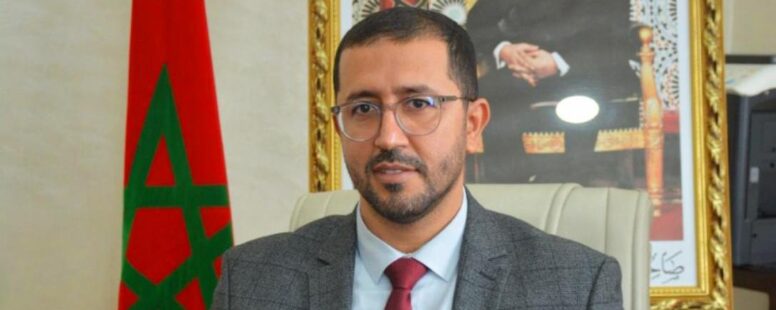
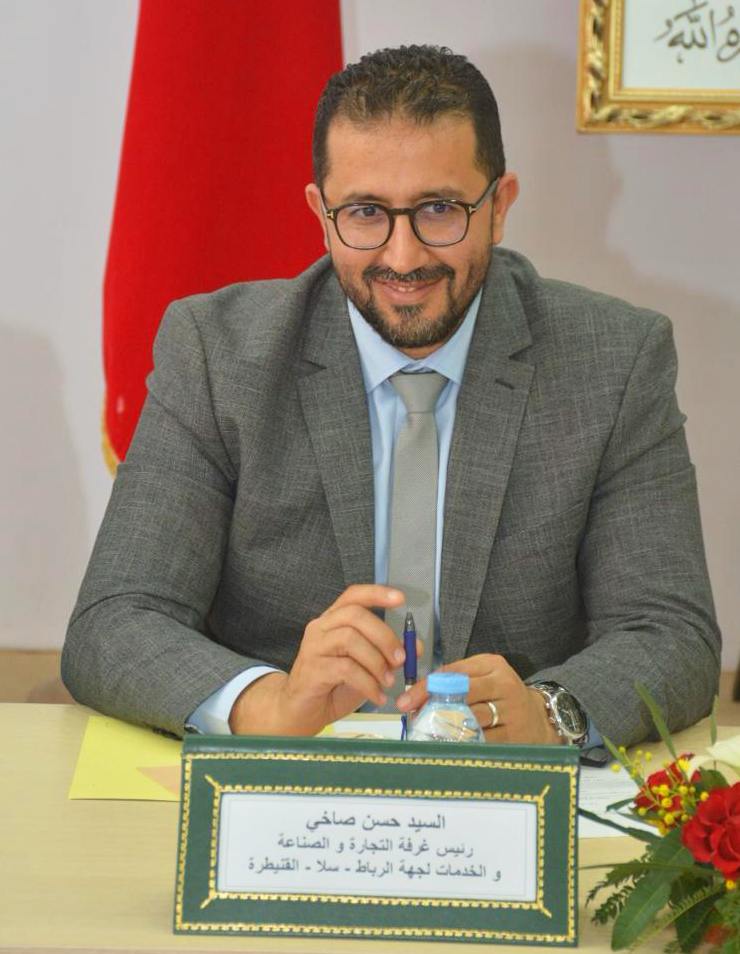
In a context where Morocco is increasingly asserting its strategic role as an economic bridge between Europe and Africa, territorial development becomes a crucial lever to stimulate investment, innovation, and international cooperation. It is in this perspective that we interviewed Mr. Hassan Sakhi, President of the Chamber of Commerce, Industry and Services of the Rabat-Salé-Kénitra Region (CCIS-RSK). Through this interview, Mr. Sakhi shares his vision of regional entrepreneurial development, the initiatives implemented to support local businesses, export opportunities to promising markets, and the international alliances established by the Chamber, as well as innovative projects carried out in partnership with Mediterranean institutions, such as ASCAME.
One of your main objectives is to support the growth of local businesses in the region. What initiatives have been implemented to achieve this goal, and what results have they obtained so far?
As a close partner in the region, our institution plays an active role in supporting and assisting local businesses through several concrete initiatives. It provides economic monitoring by making essential data available to national and foreign investors, such as statistical, legal and tax databases, as well as market trend reports and sectoral studies. It also offers personalised assistance at every stage of the entrepreneurial project. Our institution supports businesses in their international development by facilitating market prospecting, networking, business contacts, and providing advice on foreign regulations. It also organises trade missions and actively promotes exports. Furthermore, the CCIS-RSK provides companies with Approved Accounting Management Centres to assist them on technical and tax matters, with certification of financial statements and a 15% deduction on the taxable base. It also intervenes in the settlement of disputes related to investment and trade through its International Centre for Mediation and Arbitration (CIMAR). Finally, it has established local offices dedicated to promoting and raising awareness among businesses about government funding and support programmes. Hundreds of businesses have benefited from the chamber’s services and have been able to improve their competitiveness in the labor market.
In your opinion, what are the main strengths and weaknesses of the business fabric in your region? What are the most urgent needs requested by local businesses?
The Rabat-Salé-Kénitra region has a dynamic entrepreneurial fabric with nearly 153,387 active companies, characterised by:
- A strong sectoral diversification including trade, construction, the textile and leather industry, agri-food, metal, mechanical, electrical and electronic industries, accommodation, catering, transport, and warehousing.
- The presence of large structures that contribute to regional economic dynamism and the notable growth of female entrepreneurship which enriches the local economic landscape.
However, there are some weaknesses, such as the predominance of microenterprises with a turnover of less than 3 million dirhams, limiting their investment and job creation capacity, as well as a geographic concentration of activities in the prefectures of Rabat, Kénitra and Skhirate-Témara, which generates territorial disparities.
To address these challenges, local businesses have identified several pressing needs, including improved access to financing to drive their growth, enhanced technical and managerial capabilities to boost competitiveness, the development of high-quality infrastructure to maximise productivity, and stronger support for innovation to foster the creation of market-responsive products and services.
Another main objective is to promote innovation. In this regard, we would like to know what initiatives are being implemented to encourage entrepreneurship in your region and foster collaboration between businesses, innovation centres and universities.
The Chamber sits on the boards of several universities and research and innovation centres, enabling it to play a key role in developing training programmes tailored to labor market needs, sharing expertise and knowledge with businesses, facilitating networking and strategic partnerships, and promoting innovation. The Chamber has also signed several partnership agreements and memorandums of understanding with research and innovation centres, thus bringing businesses closer to the academic world and creating an environment conducive to the development of innovative projects.
Local businesses have identified several pressing needs, including improved access to financing to drive their growth, enhanced technical and managerial capabilities to boost competitiveness, the development of high-quality infrastructure to maximise productivity, and stronger support for innovation
Why is it currently a good time to invest in Morocco? What are the economic sectors with the most potential and what can they offer to companies from other Mediterranean countries, particularly from Europe?
Investing in Morocco represents a strategic opportunity thanks to its economic and political stability, its position between Europe and sub-Saharan Africa, and a favorable legal framework supported by incentive measures such as the Investment Charter and the Industrial Acceleration Plan. There are several key sectors with great potential, such as renewable energy – Morocco has set the ambitious goal of achieving 50% of its electricity mix from renewable sources by 2030 -, tourism – which is fully recovering post-pandemic -, the real estate sector – which is also transforming, especially in major cities -, the rapidly expanding automotive industry and technology, where Morocco is positioning itself as a future African hub. European companies, particularly French, Spanish, German, and Emirati, find an environment here conducive to innovation, growth, and regional cooperation.
What is your Chamber of Commerce’s contribution to promoting exports? In which countries are there the most export opportunities?
The CCIS-RSK plays a crucial role in promoting exports by supporting local businesses through various services such as information and advice on foreign markets, customs regulations, and export opportunities, as well as personalised support to facilitate their access to international markets. The Chamber also organises events such as fairs, trade missions, and conferences to foster connections between businesses and potential buyers or partners abroad. Our institution offers training to strengthen export skills and improve the understanding of external markets, while promoting the establishment of networks and partnerships that are likely to generate new opportunities. Regarding destinations, export opportunities vary according to sectors, products, and services. The most important markets are Europe, particularly France, Spain, and Italy, which remain the most significant traditional partners, as well as Sub-Saharan Africa, with countries with high growth potential such as Nigeria, South Africa, and Ghana. Certain Asian markets, such as China or India, which are very promising for Moroccan exports of phosphates and agricultural products, should also be highlighted. Finally, Middle Eastern countries, such as the United Arab Emirates and Saudi Arabia, offer interesting opportunities for food and textile companies.
What strategic alliances, both at the local and international levels, have been established in recent years? What impact have they had on the country’s economy and regional development?
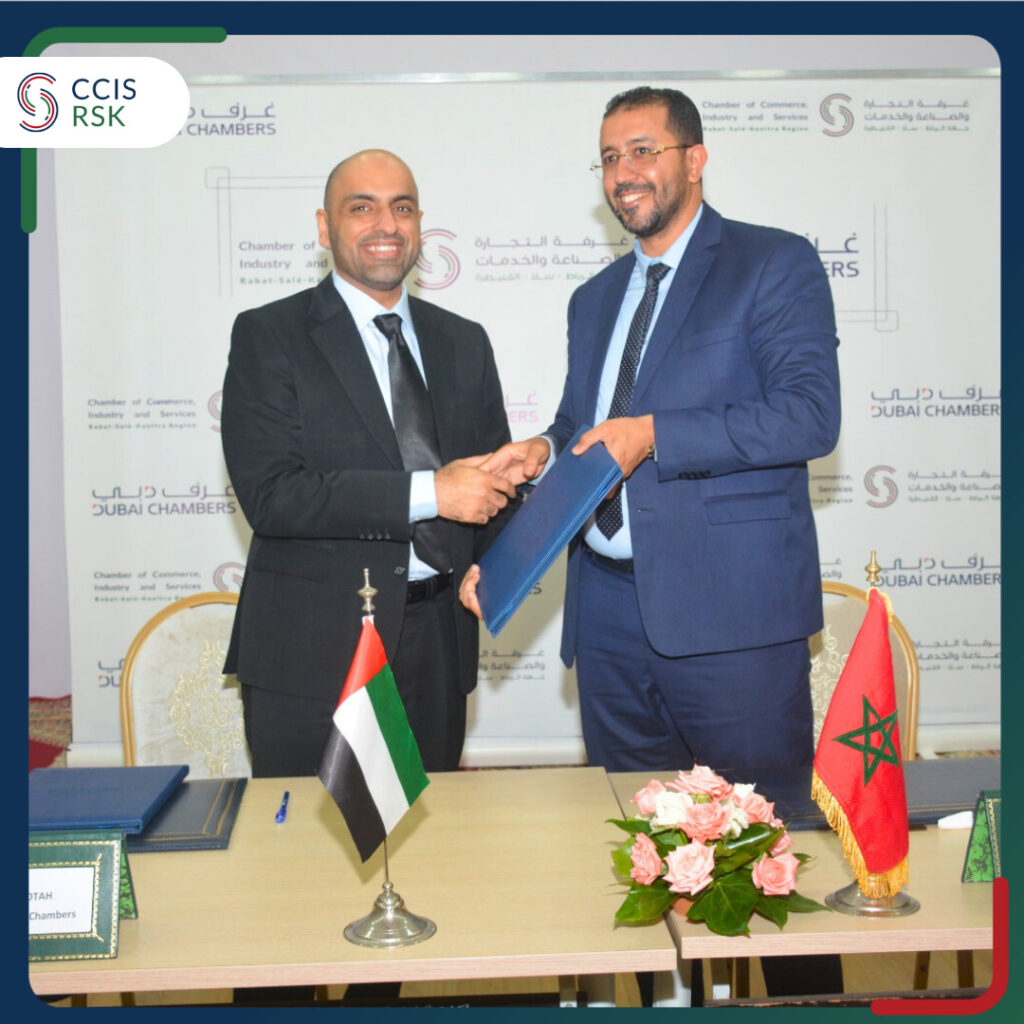
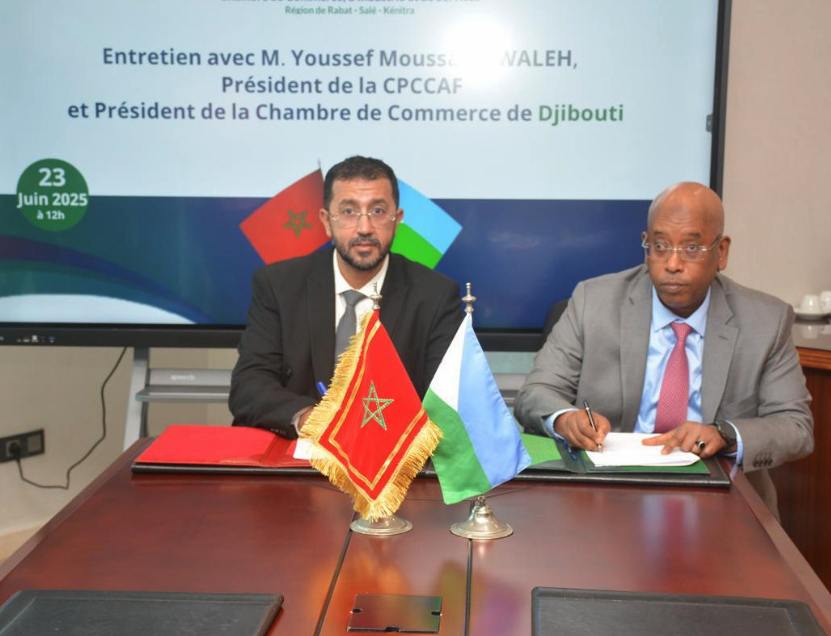
The CCIS of Rabat-Salé-Kénitra has established local and international strategic alliances in recent years that have strengthened the regional economy and stimulated Morocco’s trade. Evidence of this includes partnerships with institutions such as the National School of Arts and Crafts (ENSAM) in Rabat, the Moroccan Agency for Energy Efficiency (AMEE), the Francophone University Agency (AUF) and the Chambers of Djibouti and Dubai. Additionally, economic ties with France have been strengthened through the partnership with the Paris Île-de-France Chamber of Commerce and Industry (CCI Paris IDF) to develop trade between Morocco and France, the strengthening of economic relations between Morocco and China (the city of Quzhou and the province of Shanxi), the participation in the German-Moroccan Economic Forum and the LIDE Morocco-Brazil Forum to promote economic exchanges, and the Morocco-Russia B2B Business meetings to develop economic relations between the two countries. These strategic alliances have a positive impact on the development of the regional economy.
What are the main objectives of trade missions to Russia and China?
These trade missions have three strategic objectives for Moroccan companies: developing new markets and establishing relationships with potential partners in Russia and China, diversifying trade and promoting Moroccan exports by attracting foreign investment, and identifying business and partnership opportunities with Russian and Chinese companies.
Investing in Morocco offers a strategic advantage, driven by the country's economic and political stability, its unique geographic position bridging Europe and sub-Saharan Africa, and a favorable legal framework. High-potential sectors include renewable energy, tourism, real estate, and the fast-growing automotive and technology industries
What is your institution’s involvement in the STAPLES project, of which ASCAME is a partner? What were the main conclusions of the recent event held in Rabat, attended by local farmers?
The CCIS-RSK participated in the implementation of one of the STAPLES Project activities concerning the participation of small farmers and other stakeholders. In this context, the Chamber of Agriculture of the Rabat-Salé-Kénitra Region and the University of Gastronomic Sciences – Pollenzo, in collaboration with ASCAME, organised a series of interviews with a representative sample of farmers in the Rabat-Salé-Kénitra region. These interviews represent a participatory approach by placing farmers at the centre of reflection and action, aiming to collect the experiences, perceptions and expectations of local agricultural stakeholders. The collected testimonies will help enrich the analyses of the STAPLES project, particularly regarding agricultural practices, marketing channels, structural constraints, as well as territorial-scale innovation opportunities aimed at promoting more sustainable, resilient and inclusive agricultural value chains while enhancing farmers’ know-how. The STAPLES project, led by PRIMA Partnership, is part of a co-constructed territorial development dynamic, aiming to promote integrated, responsible and inclusive agricultural development models that serve food sovereignty and strengthen local adaptive capacities in response to climate and economic challenges.
What objectives have you set as President of the Chamber for the coming years?
Since my arrival as President of the CCIS-RSK, I have initiated an ambitious action plan focused on developing high-value services for businesses. The priorities for the coming years include strengthening international partnerships by developing strategic partnerships with other Chambers of Commerce and international economic organisations, supporting innovation and entrepreneurship, improving regional economic infrastructure, supporting local businesses through training, advice and networking services, and collaborating with academic institutions to promote research and skills development.
What is the framework of collaboration between CCIS-RSK and ASCAME?
The collaboration between CCIS-RSK and ASCAME is part of a drive to strengthen economic exchanges between Mediterranean countries. It is reflected in active participation in regional and international networking events, as well as support for initiatives focused on innovation, the green transition and sustainable development in the Mediterranean region.