
Events Ascame/ November 14, 2024/ Ascame members, Featured
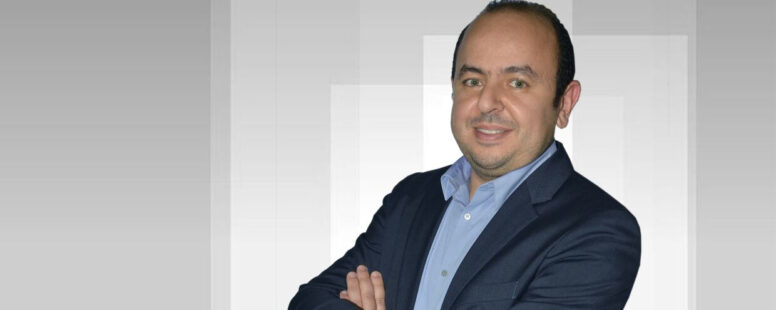
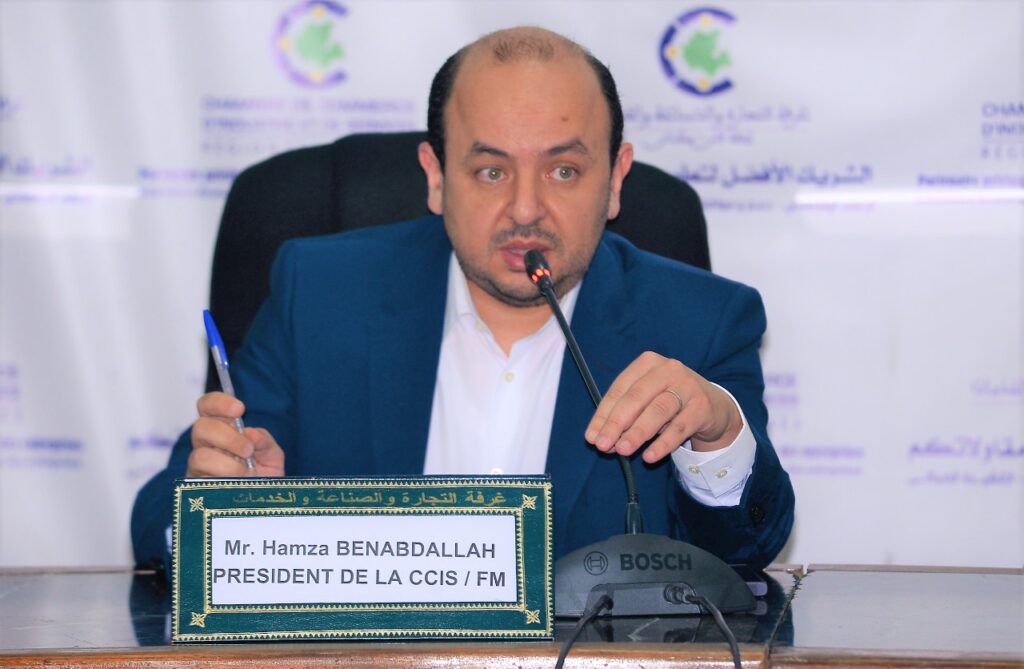
The Chambre de Commerce, d’Industrie et de Services de la Région Fès-Meknès (CCIS Fès-Meknès) plays a crucial role in promoting economic development in the region. The Chamber fosters a favorable environment for business growth and investment in the Fès-Meknès region, represents the interests of local businesses and industries, and encourages entrepreneurship and innovation, particularly among young entrepreneurs. In the framework of its commitment to promoting international cooperation, the CCIS Fès-Meknès engages in partnership with ASCAME to promote trade, investment and networking opportunities. In the following interview, its President Mr. Hamza Benabdallah analyzes the potential of the agri-food sector in the region -to become the main agri-food hub in the Mediterranean-. Mr. Benabdallah also discusses the strategic partnership with ASCAME and its impact on the region, the 2030 World Cup in Morocco, and the forthcoming 4th edition of the Fès-Meknès Economic Forum -focused on digital transformation, sustainable transition, trade revitalization, and the integration of 4.0 technologies in the agrifood sector-.
How does the CCIS Fès-Meknès collaborate with ASCAME?
The CCIS Fès-Meknès maintains an active and committed presence within ASCAME, as demonstrated by our regular participation in the organization’s major events. For instance, our chamber was represented at MedaWeek Barcelona 2024, a key event for Mediterranean business leaders, by our First Vice-President, Mr. Hicham Slimani. His participation was particularly fruitful, with numerous strategic discussions that not only strengthened our ties with Mediterranean partners, but also promoted our forthcoming Fès-Meknès Economic Forum and its workshops to participants. Our Chamber is deeply convinced of the importance of the network of Mediterranean Chambers of Commerce and Industry.
This conviction is reflected in our constant commitment to supporting projects initiated by ASCAME or to which it contributes. The successful organization of the Mediterranean Tourism Forum in 2023 (Meditour) is a perfect illustration of this. Our active participation in the work of MedaWeek also demonstrates our determination to play a driving role in the Mediterranean economic dynamic. In addition, our involvement in the STAPLES Project, which aims to strengthen the resilience of food systems in the Mediterranean and MENA regions in the face of the economic instability of global food markets, bears witness to our degree of involvement in the actions undertaken around the Mediterranean. Although the Fès-Meknès region has no direct access to the Mediterranean, we are convinced that this area abounds in partnership and business opportunities.
The ‘Fès-Meknès Economic Forum’ returns for its 4th edition under the theme “Horizons 2030: Economic Dynamics”. Why did you choose this theme and what is its strategic significance in Morocco’s current context?
The theme “Horizons 2030: Economic Dynamics” was chosen to align the Forum with the royal vision guiding Morocco’s development towards a prosperous and sustainable future. This year’s Forum takes place at the heart of a pivotal period for Morocco, marked by the necessary transition to a more efficient, equitable and environmentally friendly development model. The strategic significance of this theme lies in its forward-looking approach, aimed at exploring ways and means of accompanying the national ecosystem towards a new era of sustainable and inclusive growth, in line with the United Nations’ Sustainable Development Goals (SDGs).
The 'Fès-Meknès Economic Forum' takes place at the heart of a pivotal period for Morocco, marked by the necessary transition to a more efficient, equitable and environmentally friendly development model
The Fès-Meknès region is positioning itself as a magnet for investment. What do you consider to be the region’s major assets, and how does the Forum intend to contribute to reinforcing this territorial dynamic?
The Fès-Meknès region is rich in history, culture and economic assets. Its main assets include an exceptional cultural heritage, a strategic geographical location, and significant potential for innovation. The forum intends to contribute to reinforcing this territorial dynamic by promoting a constructive and fruitful dialogue between all players in the economic ecosystem: entrepreneurs, political decision-makers, experts and researchers. Our ambition is to stimulate an economic dynamic based on innovation, social responsibility and territorial solidarity.
This year’s edition focuses on several strategic areas. Can you tell us how these areas address the region’s current development challenges?
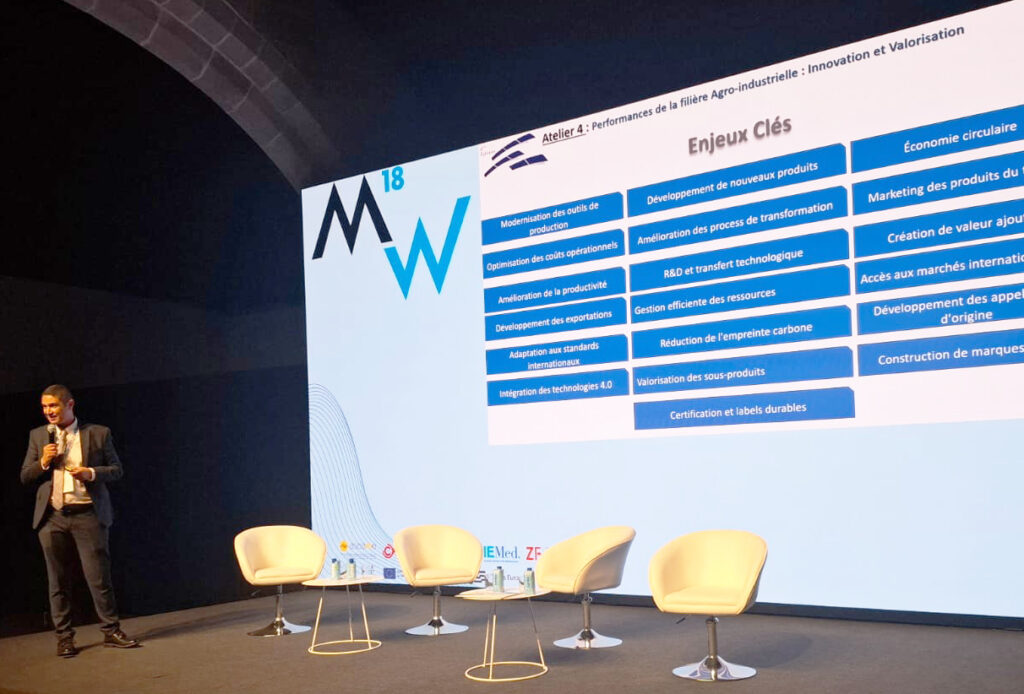
This year’s forum is structured around four strategic areas that address the current development challenges facing the Fès-Meknès region, by focusing on priority challenges. Digital transformation aims to boost the competitiveness of local businesses, modernize public services and promote digital inclusion. The energy transition promotes energy efficiency and renewable energies to reduce energy dependency and improve business competitiveness. Commercial revitalization seeks to revitalize town centers and historic areas by integrating new technologies and enhancing cultural and commercial heritage. Finally, the performance of the agro-industrial sector relies on innovation, the enhancement of local products and the integration of 4.0 technologies to modernize and develop this key sector of the regional economy.
Hosting the 2030 World Cup alongside Spain and Portugal represents a major opportunity for Morocco. How does the forum intend to mobilize economic players around this event, and what are the expected spin-offs for the region?
The forum intends to mobilize economic players around the 2030 World Cup by organizing specific meetings to decipher the challenges and opportunities associated with this major event. We will be analyzing the potential benefits, particularly in terms of international exposure, economic stimulation and infrastructure modernization. Expected benefits for the region include increased investment, improved tourism and sports infrastructure, and a more dynamic tourism and services sector.
As Chairman of the Foundation, what is your vision for the future of the forum, and how do you intend to perpetuate its role as a catalyst for regional and national economic development?
My vision for the future of the forum is to position it as a key platform for forward-thinking and collective action in favor of regional and national economic development. We intend to perpetuate its role by continuing to foster constructive dialogue between all players in the economic ecosystem, promoting innovation and good governance, and constantly adapting our themes and strategic axes to emerging challenges and opportunities. Our aim is to stimulate a sustainable and inclusive economic dynamic, by bringing together all the players involved.
The forum plays a pivotal role in fostering constructive dialogue between all players in the economic ecosystem, promoting innovation and good governance, and constantly adapting our themes and strategic axes to emerging challenges and opportunities
The first three editions of the forum were a great success. Can you give us an overview of these editions and tell us how they contributed to making the forum a key event on the national economic scene?
Previous editions of the forum bear witness to its growing importance in the national and international economic landscape. Since its first edition, the forum has welcomed over 1,200 participants and delegations from 20 foreign countries, generating more than 40 business meetings. The second edition in 2018 saw significant growth, with over 1300 participants and 80 business meetings, while the third edition in 2019 broadened its international scope by welcoming delegations from 30 countries. All three editions were marked by growing media coverage, from 40 to over 50 national and international press outlets. This positive momentum encourages us to continue our efforts to make this fourth edition an even more impactful event for the development of our region and country.
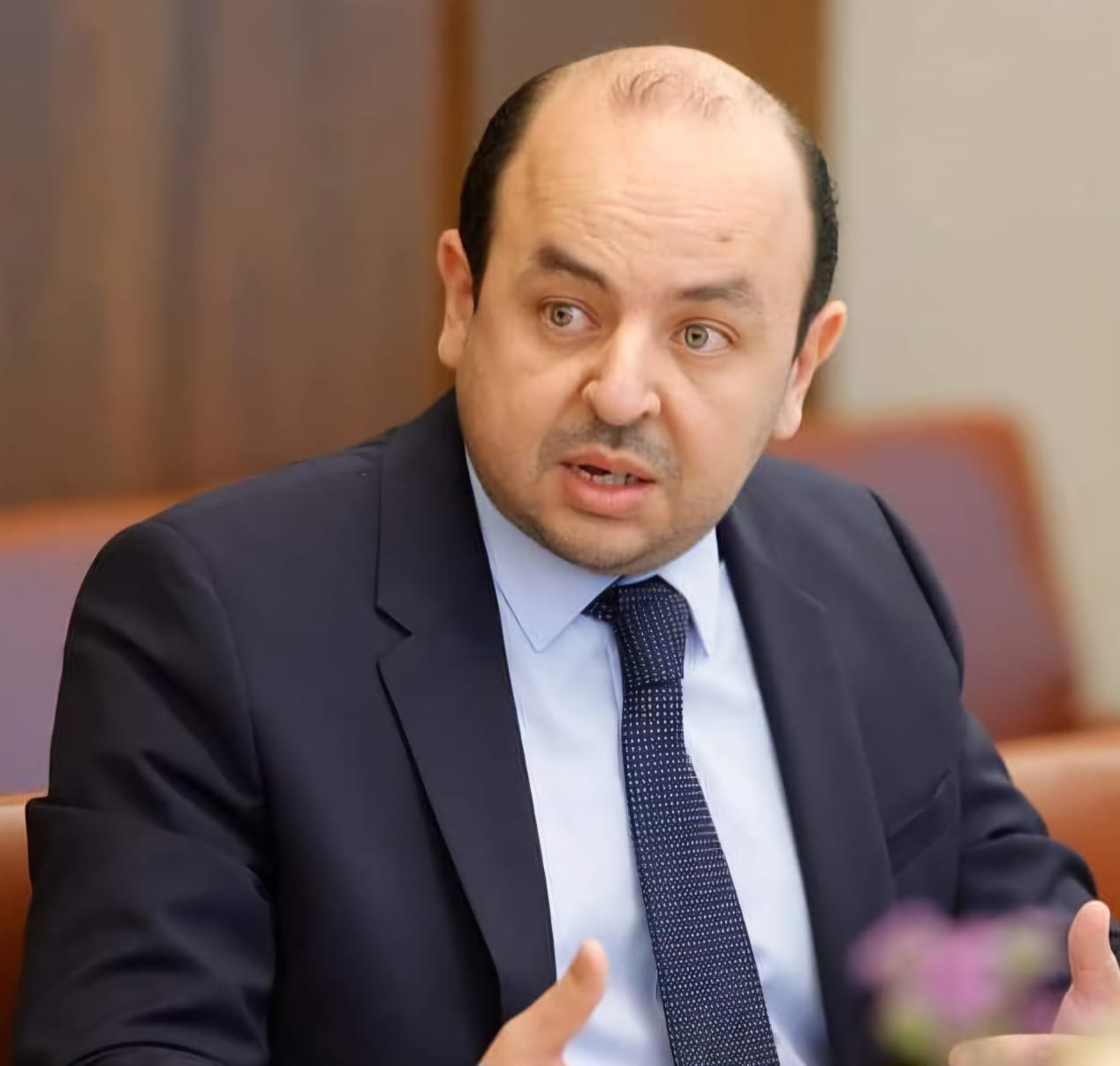
As Chairman of ASCAME’s Agrifood Commission, could you tell us about the Chamber’s ambitions to revitalize this strategic commission? How do you intend to use this presidency to further the development of the regional agrifood sector?
Our presidency of the ASCAME agri-food commission represents a major opportunity for the Fès-Meknès region. Our ambition is twofold: on the one hand, we want to make this commission an effective platform for exchange and cooperation between Mediterranean players in the agrifood sector, and on the other, we want to use it as a lever to strengthen our region’s position in this strategic sector. In concrete terms, we are working to guide and encourage the development of activities in the agri-food sector in the Mediterranean region, while helping our companies to meet the challenges of international competition. We are focusing on the issues of traceability, compliance with international standards, quality and food safety, which are essential today if we are to win new market shares.
The Fès-Meknès region is renowned for its agri-food potential. How does the forum intend to capitalize on your position within ASCAME to strengthen this strategic sector and create new development opportunities?
The agrifood sector is indeed a major pillar of our region’s economy, and our position within ASCAME enables us to boost its development. Through the forum, we will be setting up specific sessions dedicated to the transformation challenges facing this sector, with a focus on innovation, the bio-economy and new consumer trends. We also intend to take advantage of the forum to draw up a common roadmap with our Mediterranean partners, promote exchanges of experience and create synergies between the various players in the sector. Our aim is to consolidate Fès-Meknès’ position as a major agrifood hub in the Mediterranean region, capitalizing on our traditional strengths while embracing the new opportunities offered by the modernization of the sector.